Simple Tips to Store Ginger Without a Refrigerator: Keep It Fresh for a Year Without Sprouting or Spoiling
Health 09/01/2026 10:41
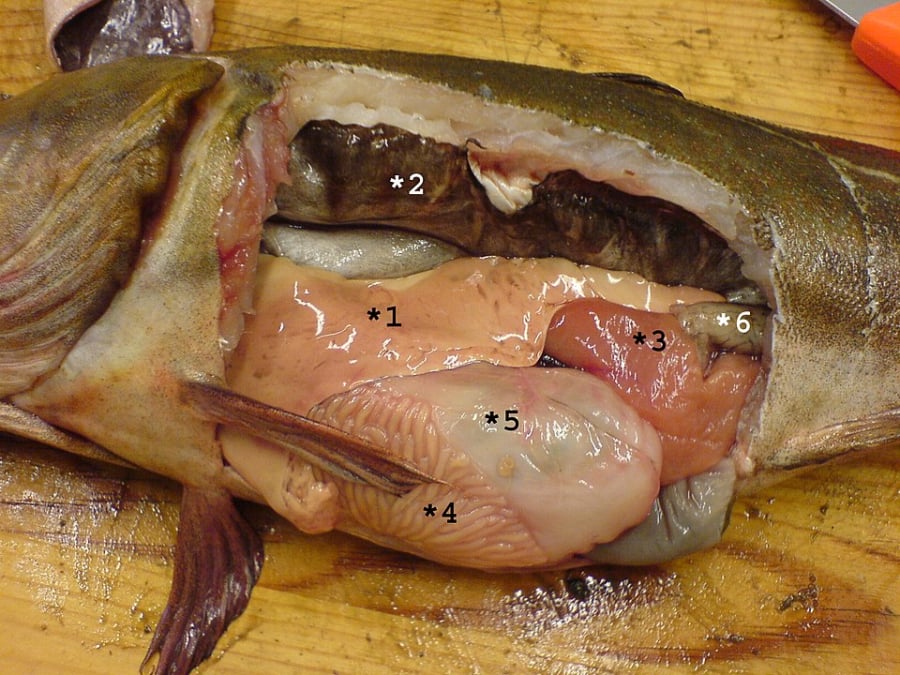
Fish has long been regarded as a “golden food” for health thanks to its high-quality protein, omega-3 fatty acids, and essential vitamins. However, not every part of a fish is safe to eat.
Some parts may contain harmful toxins or dangerous bacteria, and consuming them can seriously damage health. Below are five fish parts that should be strictly avoided.
In traditional beliefs, some people think that fish gallbladders—especially from grass carp or silver carp—can improve eyesight or detoxify the liver. This belief is entirely wrong and extremely dangerous.
Fish gallbladders contain neurotoxic substances that can cause acute liver and kidney failure.
Even a very small amount can lead to nausea, vomiting, severe abdominal pain, diarrhea, convulsions, and in severe cases, death.
Many poisoning cases reported each year are linked to the habit of swallowing fish gallbladders for “health benefits.” This is the most dangerous misconception and should be avoided at all costs.
Fish gills are in constant contact with water and function as the respiratory organ, making them a place where bacteria, parasites, and pollutants easily accumulate.
Eating fish gills can introduce a large amount of harmful microorganisms into the body.
This significantly increases the risk of digestive infections and parasitic diseases, especially if the fish comes from polluted water.
Fish gills should always be completely removed during preparation.
The intestines are responsible for digestion and naturally contain food residue, waste, and a high concentration of microorganisms.
If not thoroughly cleaned, fish intestines can become a major source of food poisoning.
For fish raised in polluted ponds, the intestines may also accumulate heavy metals and dangerous parasites.
They should never be consumed.
Some people enjoy eating fish brains, assuming they are beneficial for brain health. In reality, fish brains are high in unhealthy cholesterol and can easily accumulate toxins if the fish lives in contaminated water.
Excessive consumption may increase blood lipid levels and negatively affect cardiovascular health.
In farmed fish, the brain is also a potential site for residues of harmful substances from feed and antibiotics.
When cleaning a fish, you may notice a black membrane lining the abdominal cavity. This layer contains lipofuscin, a pigment that can bind and store toxins.
It often carries a strong fishy odor and various impurities.
If consumed, it may cause digestive problems and long-term harm to the liver.
Professional chefs always remove this black membrane before cooking to ensure both cleanliness and safety.
Fish is highly nutritious, but only when prepared correctly. To enjoy its benefits without risking your health, keep these points in mind:
Completely remove the following parts: gallbladder, gills, intestines, brain, and the black abdominal membrane.
Choose fresh fish: clear eyes, shiny scales, firm flesh, and no unpleasant odor.
Cook thoroughly: undercooked fish may contain parasites and harmful bacteria.
Avoid eating too much of one type of fish: rotate between marine fish, freshwater fish, and farmed fish to reduce heavy metal accumulation.
Store properly: fresh fish should be cooked the same day or frozen promptly to prevent spoilage.
Fish can be a powerful natural food for health—but only when handled and prepared the right way. Removing these dangerous parts ensures your meals are not only delicious but also safe for you and your family.