Liver Cancer: These 2 Bathroom Symptoms You Should Never Ignore
Health 23/06/2026 18:59
Noticing foam or bubbles in your urine can be unsettling.
Many people experience it at least once and immediately wonder whether it’s a harmless occurrence or a warning sign of something serious.
The truth is that foamy urine can range from completely normal to a possible indicator of an underlying health condition.
Understanding why it happens, what it smells like, and
when it matters can help you respond calmly and appropriately.Foamy urine refers to urine that appears bubbly, frothy, or forms a layer of foam on the surface after urination.
Unlike a few bubbles that disappear quickly, foamy urine tends to linger for a longer time, sometimes resembling soap suds.
While this can look alarming, it is not always dangerous.
In many cases, foamy urine is temporary and harmless.
However, if it happens frequently or is accompanied by other symptoms, it may point to a medical issue that deserves attention.

Strong or Fast Urine Stream
One of the most common reasons for foam is simply the force of urination. When urine hits the toilet water quickly, it can trap air and create bubbles—similar to how water foams when poured rapidly into a bowl. This is especially common when your bladder is very full.
Dehydration
When your body lacks enough fluids, urine becomes more concentrated. Concentrated urine contains higher levels of waste products, making it thicker and more likely to foam. In this case, increasing your water intake often resolves the issue quickly.
Residual Cleaning Agents
Sometimes, foam isn’t caused by your urine at all. Leftover soap, detergent, or cleaning chemicals in the toilet bowl can react with urine and create bubbles. This is often overlooked but very common.
If foamy urine occurs regularly and is not explained by dehydration or urine flow, it may be related to protein in the urine
, a condition called proteinuria.Healthy kidneys filter waste from the blood while keeping important substances—like protein—inside the body.
When the kidneys are damaged or stressed, protein can leak into the urine.
Protein lowers surface tension, which causes urine to foam more easily.
Proteinuria can be associated with:
Kidney disease
Diabetes
High blood pressure
Autoimmune disorders
Infections affecting the kidneys
Occasional protein in urine can occur after intense exercise, stress, fever, or pregnancy.
Persistent proteinuria, however, requires medical evaluation.
Foamy urine combined with a strong or unusual odor can provide additional clues.
Dehydration
When urine is concentrated, ammonia becomes more noticeable, resulting in a sharp or strong smell. This is one of the most common and least concerning causes.
Dietary Factors
Certain foods—such as asparagus, garlic, onions, coffee, or spices—can alter urine odor. Supplements and vitamins, especially B vitamins, may also produce a strong smell.
Medications and Supplements
Antibiotics and some medications can temporarily change urine odor without indicating harm.
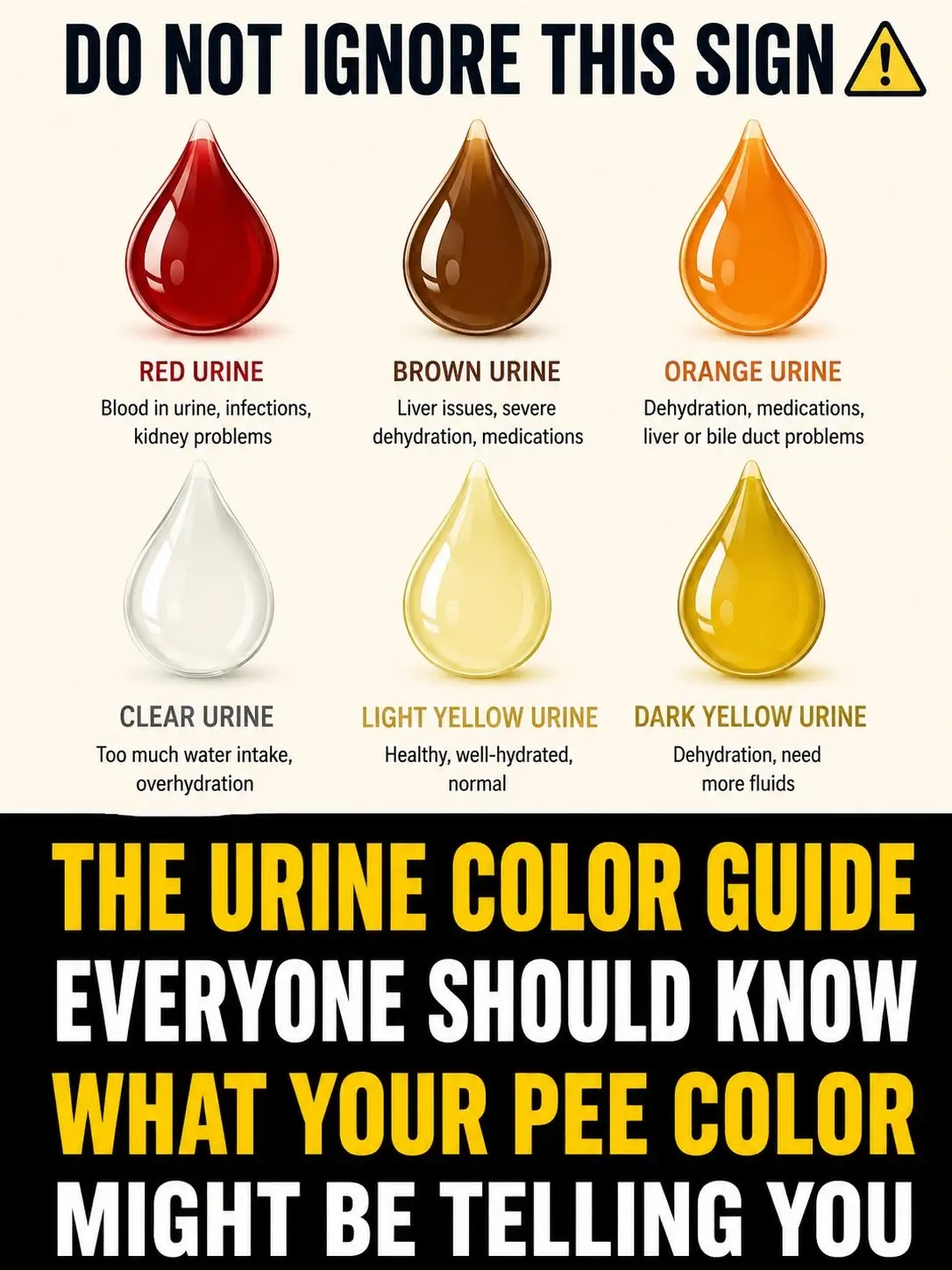
If urine smells unusually strong, sweet, rotten, or fishy
, and especially if combined with foam, it may indicate a medical condition.Urinary Tract Infection (UTI)
UTIs often cause foul-smelling urine, cloudiness, burning during urination, urgency, or lower abdominal discomfort.
Diabetes
Sweet- or fruity-smelling urine may be linked to excess glucose or ketones in the urine, especially in poorly controlled diabetes.
Liver or Metabolic Disorders
Rare metabolic conditions can cause distinctive odors due to the buildup of certain chemicals.
Kidney Infection
Strong-smelling urine with foam, fever, back pain, or fatigue may indicate an infection that requires prompt treatment.

Occasional foamy urine
is usually not a cause for concern, especially if:It happens only once or infrequently
It disappears when you drink more water
There are no other symptoms such as pain, swelling, fatigue, or changes in urination
However, you should pay closer attention if:
Foamy urine occurs regularly
The foam is thick and persistent
You notice swelling in your hands, feet, face, or ankles
You feel unusually tired
Your urine smells very strong or abnormal for days
You have a history of kidney disease, diabetes, or high blood pressure
If foamy urine persists, a healthcare provider may recommend:
Urine tests to check for protein, infection, or glucose
Blood tests to assess kidney function
Blood pressure monitoring
Further imaging or specialist referral if needed
Early detection of kidney-related issues can make a significant difference.
Many kidney problems progress silently, and urine changes are sometimes one of the first visible signs.
While not all causes are preventable, you can lower your risk by:
Staying well hydrated
Managing blood pressure and blood sugar levels
Eating a balanced diet
Avoiding excessive use of painkillers without medical advice
Getting regular health checkups if you have risk factors
Foamy urine is not automatically dangerous, and in many cases, it is a normal and temporary occurrence.
However, when it becomes persistent—especially alongside strong odor or other symptoms—it can be your body’s way of signaling that something needs attention. Listening to these subtle signs and responding early is one of the simplest yet most powerful ways to protect your long-term health.