Important Health Clarification: "Clean 15kg of Waste from Your Colon Overnight" Is Not Scientifically Possible
Health 01/06/2026 21:02
Gastroesophageal reflux disease (GERD) is a chronic digestive condition in which stomach acid frequently flows back into the esophagus—the tube connecting the mouth and stomach. This repeated backflow, known as acid reflux, can irritate the lining of the esophagus and cause persistent discomfort.
Occasional reflux is common and usually harmless. However, when symptoms occur regularly or interfere with daily life, the condition may be diagnosed as GERD. According to the Mayo Clinic, treatment typically includes lifestyle modifications and medications that reduce acid production. In more severe or persistent cases, surgical intervention may be considered.
GERD symptoms can vary in intensity, but the most frequently reported include:
A burning sensation in the chest (heartburn), especially after eating
Worsening discomfort at night or when lying down
Regurgitation of food or sour liquid into the throat
Chest pain or upper abdominal discomfort
Difficulty swallowing
A sensation of a lump in the throat
If left untreated, chronic GERD may lead to complications such as esophagitis (inflammation of the esophagus), narrowing of the esophagus, or Barrett’s esophagus, a condition associated with increased cancer risk. Therefore, persistent symptoms should always be evaluated by a healthcare professional.
Several factors can increase the likelihood of developing GERD, including:
Obesity (which increases abdominal pressure)
Pregnancy
Hiatal hernia
Connective tissue disorders such as scleroderma
Smoking
Eating large or late-night meals
Consuming trigger foods (spicy, fatty, or acidic foods)
Coffee and alcohol consumption
Certain medications, including aspirin and some anti-inflammatory drugs
Managing these risk factors is often a key part of long-term symptom control.
While beverages cannot cure GERD, some may provide temporary relief by soothing irritation or supporting digestion. It is important to remember that individual responses vary, and what works for one person may not work for another.

Warm water can gently soothe the esophagus and may help food move more efficiently through the digestive tract. It may also slightly dilute stomach acid, offering mild relief from irritation.
However, drinking excessive amounts at once may increase stomach pressure and worsen reflux. Small, slow sips are generally more beneficial.
Important: Cold water may trigger or worsen symptoms in some individuals, so warm or room-temperature water is usually preferable.
Ginger has natural anti-inflammatory and digestive-supporting properties. Warm ginger tea may help reduce nausea, calm the stomach, and ease mild irritation in the esophagus.
That said, ginger should be consumed in moderation. Large amounts may stimulate stomach acid production in some individuals and potentially worsen heartburn.
Fresh potato juice is sometimes used as a traditional remedy for acid-related discomfort. It may help neutralize excess stomach acid and temporarily coat the stomach lining, reducing irritation.
If used, it should be consumed in small quantities and prepared fresh. Drinking too much may cause digestive upset or bloating.
Aloe vera is known for its soothing properties and is sometimes used to calm digestive inflammation. It may help reduce irritation in the esophagus and support overall digestive comfort.
However, only small amounts should be consumed, as excessive intake may lead to side effects such as diarrhea or abdominal discomfort. It is also advisable to choose products specifically labeled for internal use.
Peppermint tea is widely recognized for aiding digestion and reducing bloating or nausea. However, for individuals with GERD, it may have mixed effects.
Peppermint relaxes smooth muscles in the digestive tract, including the lower esophageal sphincter (LES)—the muscle that prevents stomach acid from flowing back into the esophagus. If the LES relaxes too much, reflux symptoms may worsen.
If trying peppermint tea, monitor your symptoms carefully to determine whether it helps or aggravates your condition.
GERD is a manageable condition, but it requires awareness and consistent lifestyle adjustments. While certain beverages may offer temporary relief, they are not substitutes for medical treatment or long-term management strategies.
Maintaining a healthy weight, avoiding trigger foods, eating smaller meals, quitting smoking, and elevating the head during sleep are all evidence-based strategies that can significantly reduce symptoms.
If reflux occurs frequently—especially more than twice per week—or is accompanied by severe chest pain, difficulty swallowing, or unintended weight loss, seeking medical advice is essential.
Managing GERD effectively is about balance: combining medical guidance with thoughtful daily habits can greatly improve comfort and long-term digestive health.
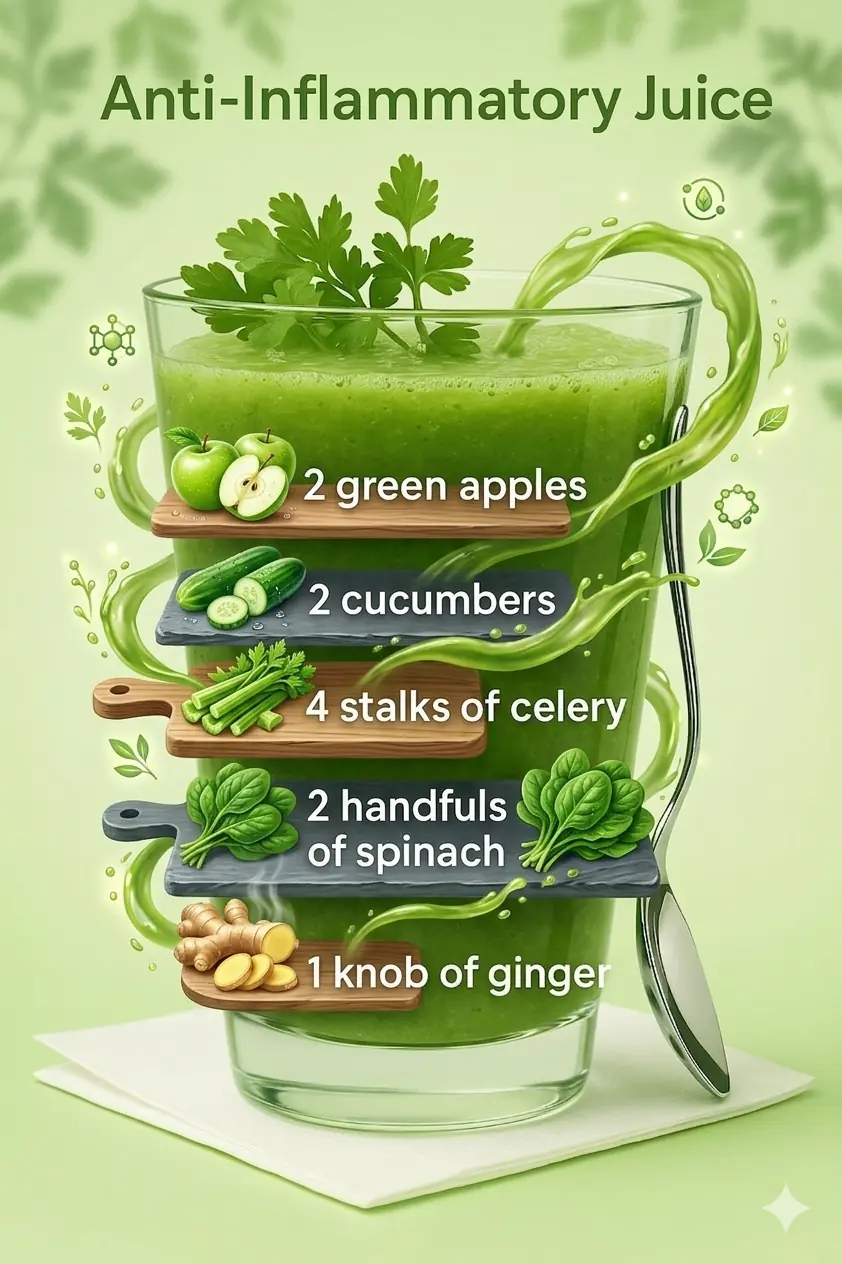
Powerful Green Juice