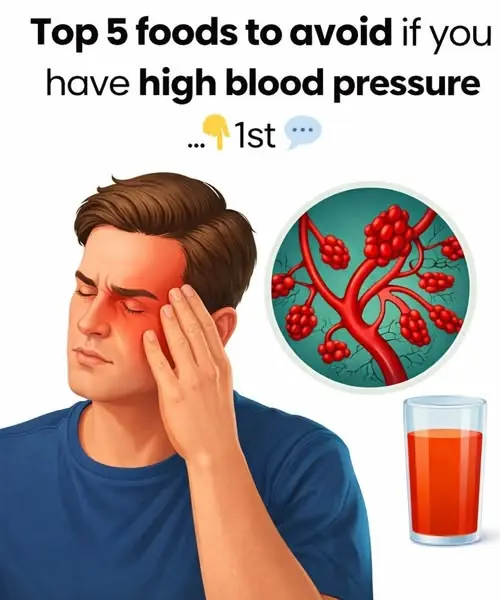
Foods That Can Quietly Raise Your Blood Pressure
Health 24/04/2026 21:07
Gallstones are among the most common digestive disorders worldwide, affecting an estimated 10–20% of adults. Many people live with gallstones for years without symptoms, while others experience sudden, intense abdominal pain that disrupts daily life. Because gallstone attacks can escalate into severe complications, early understanding of symptoms and knowing when surgery is necessary can be life-saving.
This article provides a full, in-depth explanation of what causes gallstones, how symptoms develop, who is at high risk, diagnostic tests, treatment options, and when surgical removal becomes the safest solution.
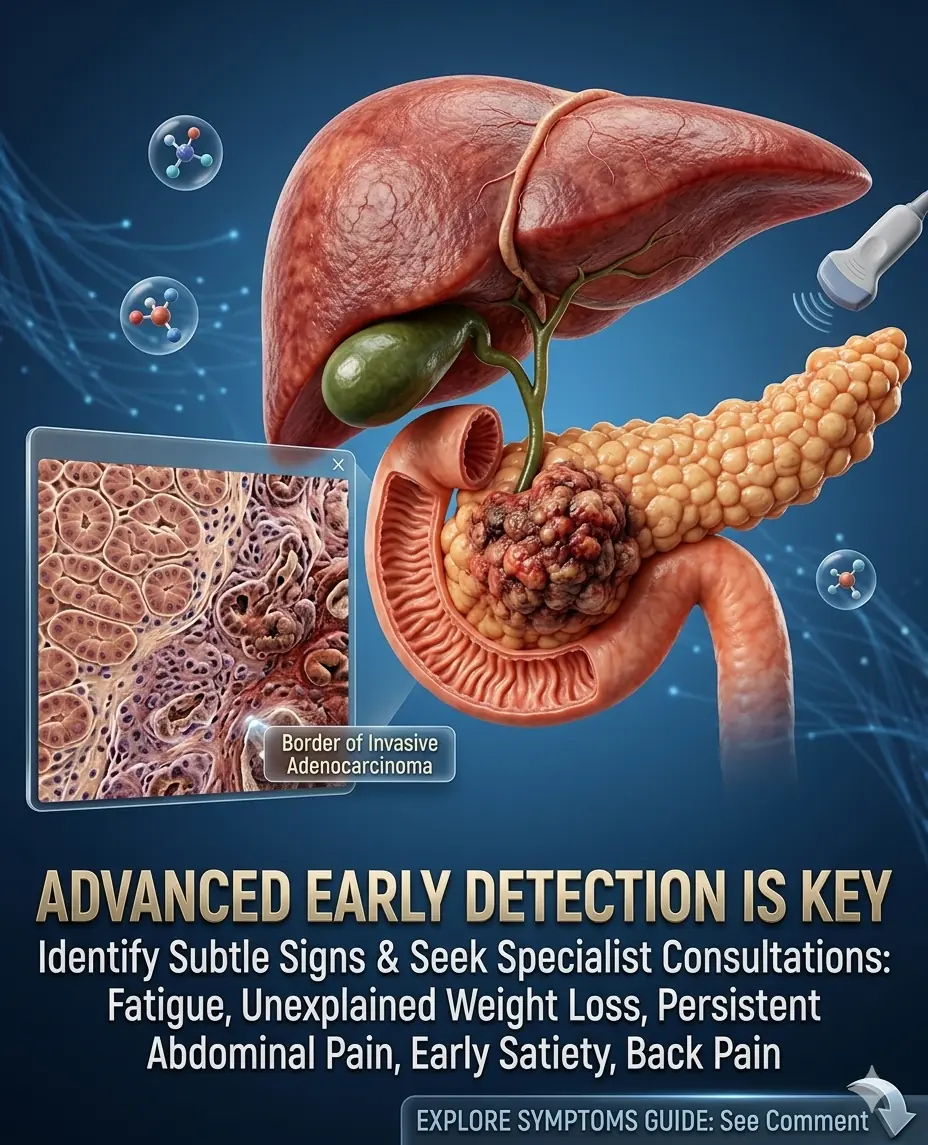
The gallbladder is a small organ under the liver responsible for storing bile — a digestive fluid essential for breaking down fats. When the chemical balance of bile becomes abnormal, solid crystals begin to form. Over time, they cluster into stones.
There are two primary types of gallstones:
• Occur when bile contains too much cholesterol
• Account for 80–90% of cases
• Often linked to diet, obesity, and hormone changes
• Form when bilirubin levels are high
• Common among people with liver disease, blood disorders, or chronic infections
Stones can range from the size of a grain of sand to as large as a golf ball. Some people develop only one stone; others have dozens.
Not all gallstones cause symptoms — these are called silent gallstones. However, when a stone blocks a duct, symptoms appear rapidly.
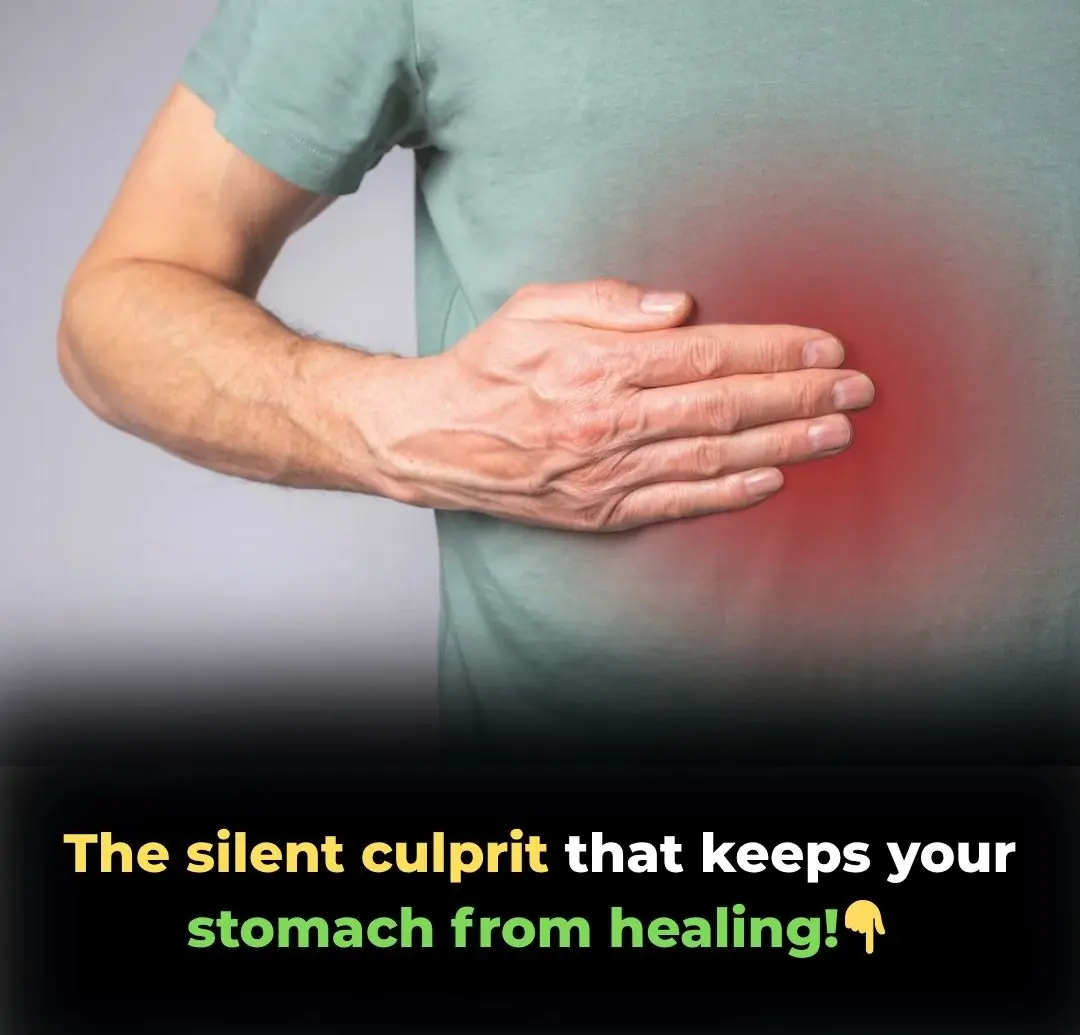
Sharp or cramping pain in the upper right abdomen
Pain that radiates to the right shoulder blade or back
Pain triggered by fatty or heavy meals
Nausea and repeated vomiting
Abdominal bloating and indigestion
Clay-colored stools (due to blocked bile flow)
Fever or chills (sign of infection)
Yellowing of the eyes or skin (jaundice)
This painful episode is known as biliary colic. It often lasts 30 minutes to several hours, then fades — tempting people to ignore the problem until it returns worse.
Although gallstones can affect anyone, several factors increase risk:
High-fat, high-cholesterol diet
Low-fiber eating habits
Rapid weight loss or crash dieting
Obesity or sedentary lifestyle
Being female
Pregnancy
Use of birth control pills
Hormone replacement therapy
Diabetes
Metabolic syndrome
Cirrhosis or liver disease
High triglycerides
Hemolytic anemia
Family history plays a significant role. If a parent has gallstones, your risk increases by up to 50%.
Ignoring symptoms can lead to serious outcomes:
A stone trapped in the cystic duct causes swelling, fever, and severe pain.
A stone blocking the pancreatic duct triggers inflammation — a medical emergency.
Can lead to jaundice, infection, and liver damage.
Rare but potentially fatal.
Doctors may use:
Ultrasound (most common and accurate)
CT scan
MRCP (specialized MRI for bile ducts)
Blood tests for infection, liver issues, or pancreatitis
Surgery is recommended when:
You have recurring gallstone attacks
Stones block bile or pancreatic ducts
Infection, fever, or jaundice develops
Scans show inflammation or complications
Pain persists despite medication
The standard procedure is laparoscopic cholecystectomy, a minimally invasive surgery with fast recovery.
For people who cannot undergo surgery:
Medications like ursodeoxycholic acid (slowly dissolves stones)
Shock wave therapy (rarely used)
However, these options are slow and not always effective.
Maintain stable, healthy weight
Eat high-fiber foods (vegetables, legumes, whole grains)
Reduce saturated fats and fried foods
Avoid skipping meals
Exercise regularly
Stay hydrated (bile becomes thicker when dehydrated)
Gallstones can be silent or cause sudden, severe pain. Early recognition of symptoms and proper diagnosis prevent complications such as infection or pancreatitis. If gallstone attacks become frequent, surgery is often the safest long-term solution.