High Blood Pressure: Silent Symptoms That Damage Your Body
Health 17/12/2025 16:40
High liver enzymes often appear silently on routine blood tests — long before any pain or obvious symptoms arise. Many people feel completely fine when they receive abnormal results, assuming it’s temporary or harmless. However, elevated liver enzymes are one of the earliest warning signs that your liver is under stress or being damaged.
Understanding what these numbers mean can help you act before serious liver disease develops.
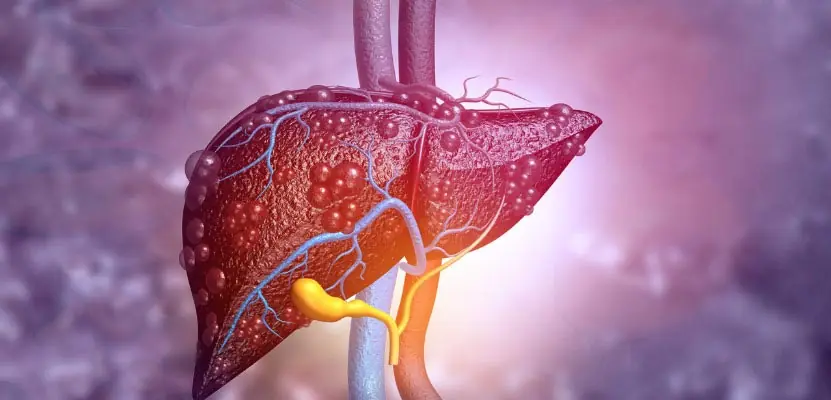
Liver enzymes are proteins that help chemical reactions occur inside liver cells. The most commonly measured enzymes include:
ALT (Alanine aminotransferase)
AST (Aspartate aminotransferase)
ALP (Alkaline phosphatase)
GGT (Gamma-glutamyl transferase)
When liver cells are inflamed or injured, these enzymes leak into the bloodstream — raising their levels on blood tests.
The liver plays a critical role in:
Detoxifying harmful substances
Metabolizing medications
Regulating blood sugar and fats
Producing bile for digestion
Supporting immune function
When enzyme levels rise, it usually means the liver is working under strain — or suffering damage.
High liver enzymes do not point to one single disease. They are a signal that something is affecting liver health.
Common causes include:
Fatty liver disease (alcoholic or non-alcoholic)
Excessive alcohol consumption
Long-term medication use
Viral infections
Metabolic disorders
Obesity and insulin resistance
In many cases, the cause develops slowly over years.
One of the most frequent reasons for high liver enzymes today is non-alcoholic fatty liver disease (NAFLD).
It occurs when fat accumulates inside liver cells, often linked to:
High blood sugar
High cholesterol
Abdominal obesity
Sedentary lifestyle
NAFLD often causes no symptoms until inflammation or scarring begins.
Many common medications can elevate liver enzymes, including:
Pain relievers
Cholesterol-lowering drugs
Certain antibiotics
Herbal supplements
The liver must process nearly everything you swallow. Over time, this constant workload can lead to enzyme elevation.
Alcohol directly damages liver cells. Even moderate drinking can cause enzyme levels to rise in some individuals.
Persistent elevation may signal:
Alcoholic fatty liver
Alcoholic hepatitis
Early liver scarring
Stopping alcohol early can often reverse damage.
Infections and inflammatory conditions can trigger enzyme elevation, such as:
Viral hepatitis
Autoimmune liver disease
Systemic infections
Blood tests often help identify these underlying causes.
High liver enzymes often show no symptoms at first. As damage progresses, signs may include:
Chronic fatigue
Loss of appetite
Nausea
Abdominal discomfort
Yellowing of skin or eyes
Dark urine
By the time symptoms appear, liver injury may already be advanced.
Mild elevations may be temporary. Persistent or rapidly rising levels are more concerning.
Risks increase when:
Enzymes remain high for months
Multiple enzymes are elevated
Symptoms accompany abnormal results
Left untreated, chronic liver injury can progress to fibrosis, cirrhosis, or liver failure.
Evaluation may include:
Repeat blood tests
Imaging studies (ultrasound, CT)
Viral screening
Metabolic testing
Lifestyle assessment
Identifying the cause is essential for proper treatment.
In many cases, yes — especially when addressed early.
Improvements may occur with:
Weight reduction
Alcohol avoidance
Medication review
Improved diet
Better blood sugar control
The liver has remarkable regenerative ability when stressors are removed.
Higher-risk individuals include:
People with obesity or diabetes
Those taking multiple medications
Heavy alcohol users
Individuals with a family history of liver disease
Routine monitoring is critical in these groups.
High liver enzymes are not a diagnosis — they are a warning. They signal that the liver is under pressure, often long before serious disease develops.
Ignoring these early clues can allow silent damage to progress. Paying attention, investigating the cause, and making timely changes can protect liver health and prevent irreversible harm.