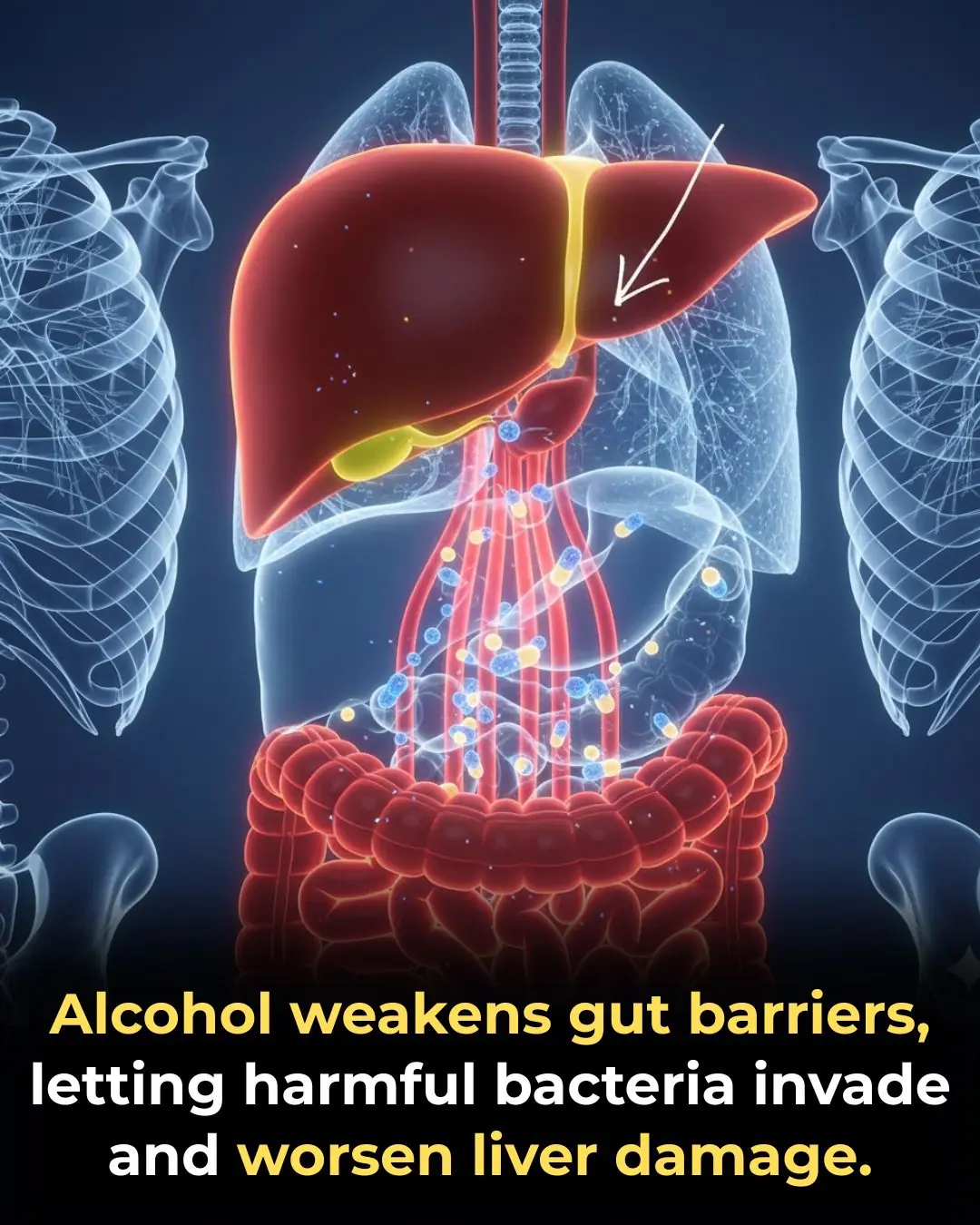
The Gut-Liver Connection: How Alcohol Impairs Immune Defenses and Exacerbates Liver Damage
Facts 17/12/2025 20:23
When the brain is injured by trauma, stroke, or other forms of neurological damage, it does not simply regenerate lost nerve cells in the way skin or bone tissue can. Neurons in the central nervous system have a very limited capacity to divide and regrow, which is why brain injuries were once considered largely irreversible. However, modern neuroscience has shown that the brain possesses an extraordinary adaptive ability known as neuroplasticity. Rather than replacing damaged cells, the brain can reorganize itself by forming new neural connections and rerouting signals around injured areas, allowing lost functions to be partially or even substantially recovered.
Neuroplasticity works best when it is guided through structured and purposeful rehabilitation. Recovery is not an instant process; it depends heavily on time, repetition, and consistent training. Physical therapy plays a vital role by restoring movement, strength, balance, and coordination. Through repeated motor exercises, unaffected brain regions can gradually take over functions that were once controlled by damaged areas. Occupational therapy focuses on retraining everyday skills such as dressing, eating, writing, and cooking, helping patients regain independence in daily life. Cognitive rehabilitation targets mental abilities, including memory, attention, problem-solving, and language, which are often affected after brain injury or stroke.
Equally important is psychological and emotional support. Depression, anxiety, and loss of motivation are common after neurological injury and can significantly slow recovery if left untreated. Mental health counseling and social support help maintain engagement in therapy and encourage long-term perseverance, which is essential for harnessing neuroplastic changes. According to the World Health Organization (WHO), comprehensive rehabilitation that addresses both physical and psychological needs leads to better functional outcomes and quality of life.
Several medical and technological tools can further enhance recovery. Non-invasive brain stimulation techniques, such as transcranial magnetic stimulation (TMS), have shown promise in activating neural circuits and improving motor and cognitive outcomes when combined with therapy. Medications must also be carefully managed to avoid interfering with neural recovery. In addition, lifestyle factors such as adequate sleep, proper nutrition, and overall cardiovascular health play a crucial role in stabilizing new neural connections. Research from Harvard Medical School and the National Institute of Neurological Disorders and Stroke (NINDS) highlights that sleep and nutrition are essential for learning, memory consolidation, and brain repair.
The brain is especially responsive to rehabilitation in the early stages following injury, when neuroplasticity is at its peak. During this period, progress often occurs rapidly. However, scientific evidence confirms that meaningful improvements can still happen months or even years later, as long as therapy remains consistent and challenging. This understanding shifts the focus of recovery away from what is permanently lost and toward what can still be rebuilt.
Ultimately, brain recovery is not a fixed outcome but a dynamic process. By deliberately harnessing neuroplasticity through focused, repeated effort and comprehensive care, the brain can create new pathways that restore skills, function, and independence once thought to be gone.