High Blood Pressure: Silent Symptoms That Damage Your Body
Health 17/12/2025 16:40
Low blood pressure, medically known as hypotension, is often misunderstood. While high blood pressure gets much of the attention, blood pressure that is too low can be just as dangerous — especially when it interferes with blood flow to vital organs.
Occasional lightheadedness may seem harmless, but persistent or sudden drops in blood pressure can signal a serious underlying problem that should not be ignored.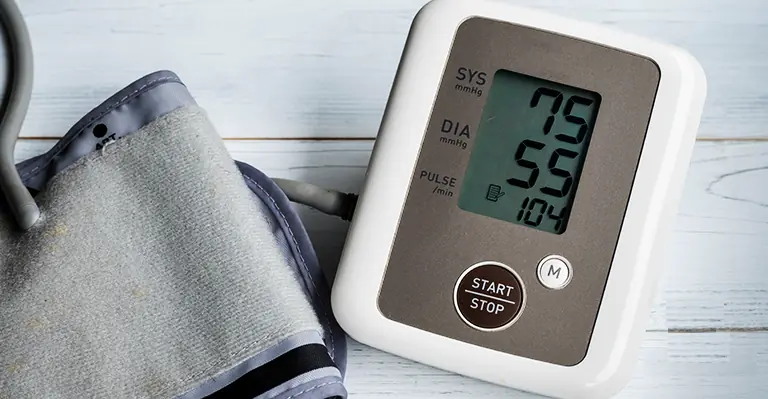
Blood pressure reflects how effectively blood circulates through the body. When it drops too low, organs may not receive enough oxygen and nutrients to function properly.
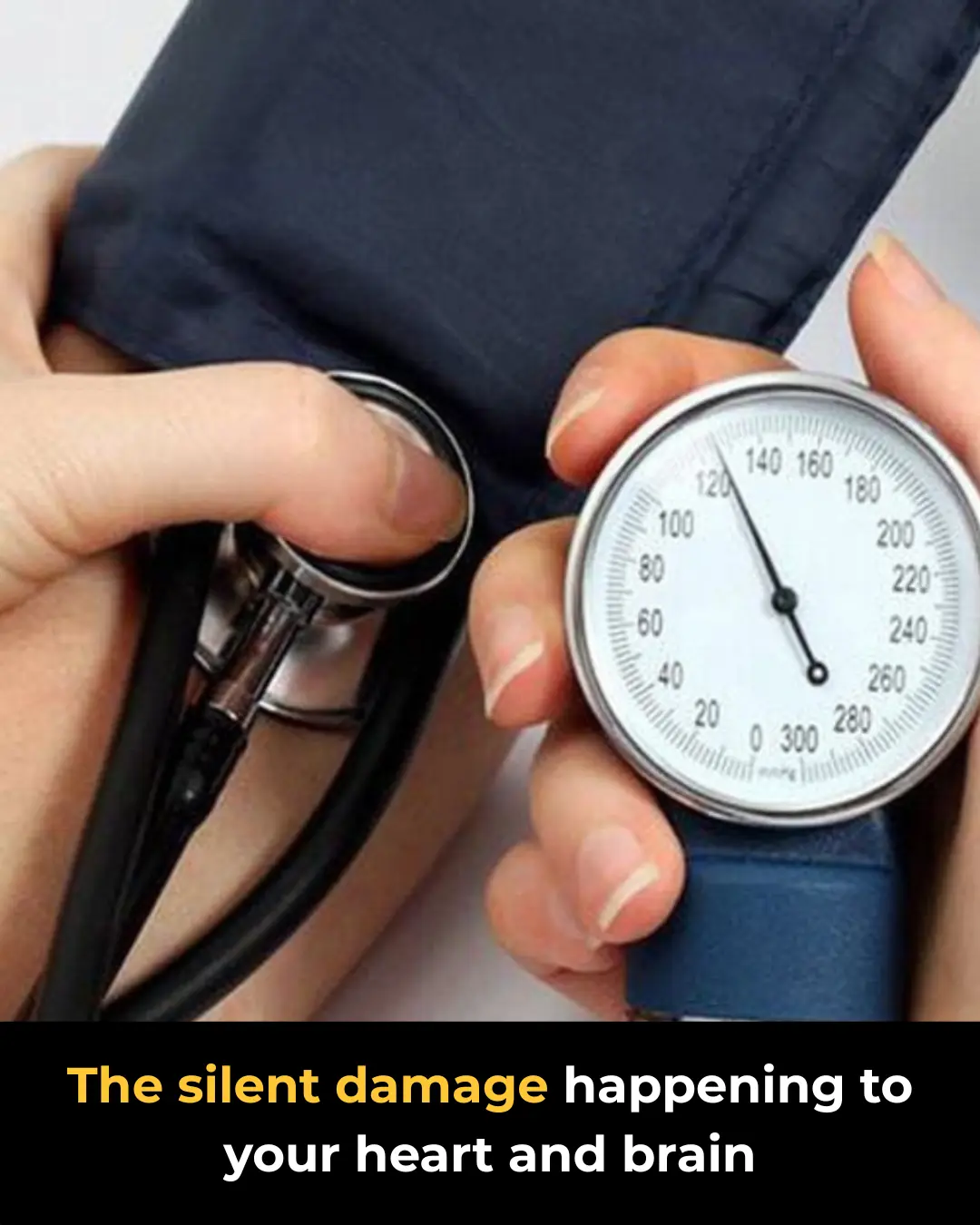
In general, blood pressure is considered low when readings fall below 90/60 mmHg. However, symptoms matter more than numbers. Some people tolerate lower readings well, while others experience severe effects even with mild drops.
Blood pressure exists to keep blood moving against gravity and resistance. When it falls too low, circulation becomes insufficient, particularly to the brain and heart.
This can lead to:
Reduced oxygen delivery
Sudden fainting
Injury from falls
Organ stress or damage
The danger increases when low blood pressure occurs suddenly or repeatedly.
The most frequent and recognizable symptom is dizziness, especially when standing up quickly. Other warning signs include:
Lightheadedness
Blurred or tunnel vision
Fatigue and weakness
Nausea
Confusion or difficulty concentrating
Cold, clammy skin
Rapid or shallow breathing
These symptoms may worsen with dehydration, heat exposure, or prolonged standing.
One of the most common forms of low blood pressure is orthostatic hypotension, which occurs when blood pressure drops suddenly upon standing.
This happens when blood vessels fail to tighten quickly enough, causing blood to pool in the legs instead of reaching the brain.
It is especially common in:
Older adults
People taking blood pressure or heart medications
Individuals who are dehydrated
People with nervous system disorders
Dizziness is not always harmless. It becomes dangerous when it:
Leads to fainting (syncope)
Occurs frequently or suddenly
Appears after starting new medications
Is accompanied by chest pain or shortness of breath
Causes falls or injuries
Loss of consciousness, even briefly, means the brain was deprived of adequate blood flow.
The brain is extremely sensitive to changes in blood supply. Low blood pressure can cause:
Temporary confusion
Slowed reaction times
Memory difficulties
Increased risk of falls
Repeated episodes may increase the risk of long-term cognitive decline, particularly in older adults.
When blood pressure remains too low, the heart may struggle to maintain circulation. This can lead to:
Rapid heartbeat
Fatigue during minimal activity
Poor organ perfusion
In severe cases, prolonged hypotension can contribute to shock, a life-threatening condition where organs begin to fail.
Low blood pressure may result from many factors, including:
Dehydration
Blood loss
Heart conditions
Hormonal imbalances
Severe infections
Certain medications (diuretics, antidepressants, heart drugs)
Identifying the cause is critical for effective treatment.
You may be at higher risk if you:
Are over age 65
Take multiple medications
Have diabetes or neurological conditions
Experience prolonged bed rest
Live in hot climates without adequate hydration
Athletes and physically active individuals may also experience low blood pressure under certain conditions.
Diagnosis involves more than a single reading. Doctors may use:
Repeated blood pressure measurements
Blood tests
Heart monitoring
Postural blood pressure testing
Understanding patterns is more important than one isolated number.
Treatment depends on the cause, but common strategies include:
Increasing fluid intake
Adjusting medications
Standing up slowly
Wearing compression stockings
Eating smaller, more frequent meals
In some cases, medical treatment may be required.
Seek immediate medical attention if low blood pressure is accompanied by:
Fainting
Chest pain
Severe shortness of breath
Confusion
Cold, pale skin
These may indicate a medical emergency.
Low blood pressure is not always benign. While occasional dizziness can happen to anyone, repeated or severe symptoms should never be ignored.
Understanding when dizziness becomes dangerous can help prevent falls, injuries, and serious complications — especially for those at higher risk.