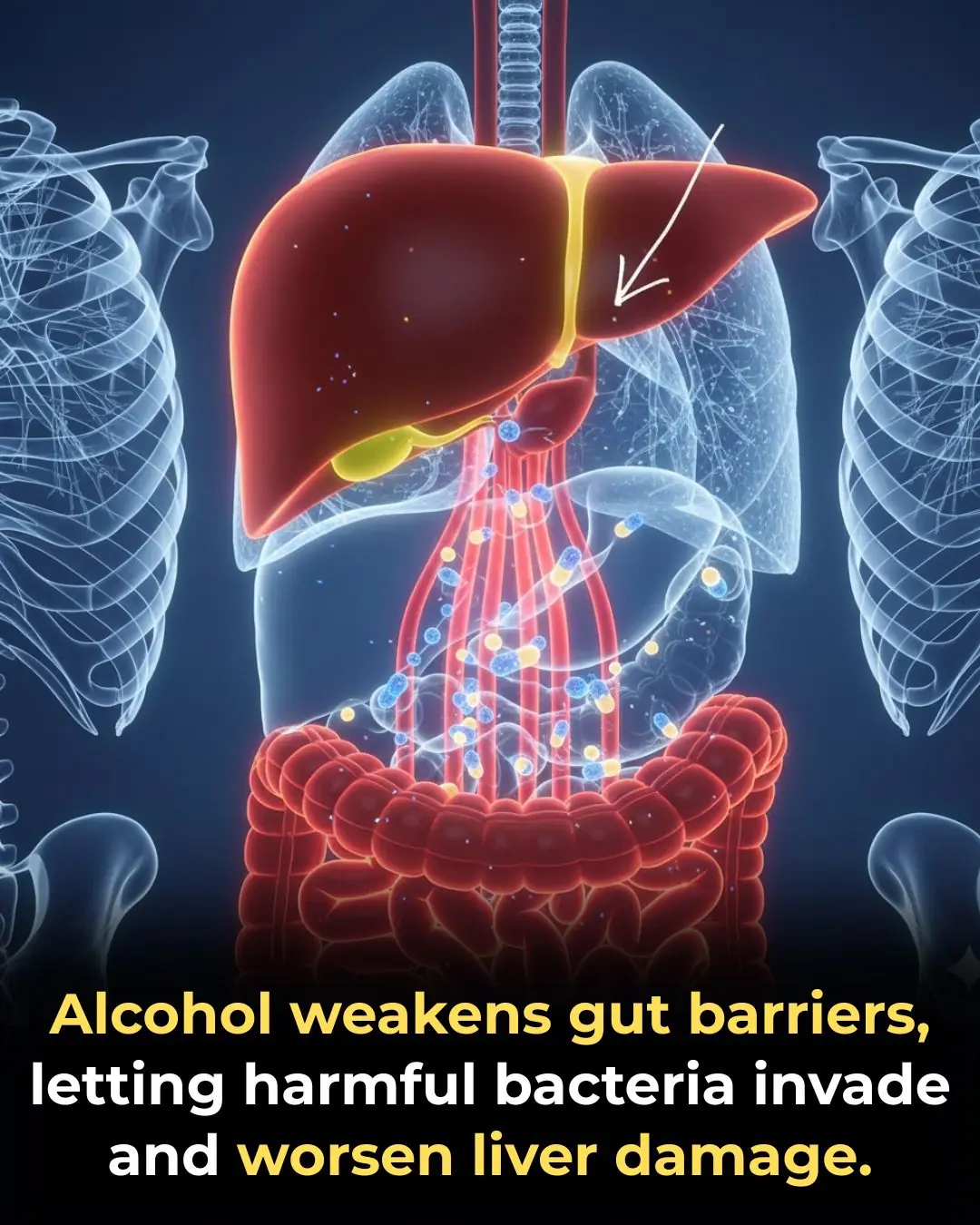
The Gut-Liver Connection: How Alcohol Impairs Immune Defenses and Exacerbates Liver Damage
Facts 17/12/2025 20:23
As of September 1, 2025, Japan recorded 99,763 centenarians, marking the 55th consecutive year that the number of people aged 100 and older has increased. An overwhelming majority of these long-lived individuals are women—a demographic pattern that has remained remarkably consistent for decades.
This milestone did not happen overnight. In 1963, Japan counted just 153 centenarians nationwide. By the late 1990s, that number had climbed to 10,000. In 2012, it surpassed 50,000—and in just over a decade, it nearly doubled again. Few countries in history have experienced such a dramatic and sustained rise in extreme longevity.
Yet this success story comes with complexity. While people are living longer than ever, Japan’s birthrate continues to fall, and its working-age population is shrinking. The result is a demographic paradox: how can a nation support an expanding elderly population while maintaining economic vitality and social balance?
In a world captivated by shortcuts, supplements, and viral “life hacks,” Japan’s longevity story feels almost disappointingly simple. There is no miracle food, no single meditation practice, no hidden genetic advantage shared by the entire population.
Instead, longevity in Japan is the result of small, consistent habits, reinforced by strong social systems and supportive environments. Think of it as compound interest applied to health: modest daily choices—repeated over decades—produce extraordinary outcomes.
Japan didn’t stumble into longevity by accident. It was built deliberately through public policy that emphasizes preventive healthcare, accessible nutrition, walkable communities, and social inclusion. In this environment, healthy behavior isn’t heroic—it’s normal. People don’t have to fight their surroundings to make good choices; the system quietly nudges them in the right direction.
One of the most overlooked aspects of Japan’s longevity is the role of meaning and belonging.
Japanese culture captures this idea through two powerful concepts:
Ikigai — a sense of purpose, or a reason to wake up each morning
Moai — a lifelong social group that provides emotional, financial, and practical support
In Okinawa—often referred to as the “Land of Immortals”—researchers have followed centenarians since the 1970s through the Okinawa Centenarian Study. Time and again, the findings point not just to diet or activity, but to deep social ties, shared responsibility, and low chronic stress.
Modern science backs this up. Loneliness is no longer seen as merely emotional—it is a biological stressor. Chronic isolation raises inflammation, disrupts hormones, weakens immunity, and increases the risk of heart disease and cognitive decline. Conversely, strong social bonds are associated with better immune responses, sharper cognition, and longer life expectancy.
In Japan, where older adults remain valued, visible, and socially engaged, this emotional safety net becomes a form of preventive medicine.
Japan’s centenarians aren’t chasing extreme health regimens. Their routines are modest, sustainable, and woven seamlessly into daily life.
Traditional Japanese meals emphasize vegetables, fish, soy, seaweed, fermented foods, and smaller portions. In Okinawa, the practice of hara hachi bu—eating until about 80% full—encourages mindfulness rather than restriction. Over time, this habit naturally regulates calorie intake and metabolic health.
You won’t find many elderly Japanese people spending hours in gyms. Instead, they stay active through daily necessity: walking to shops, gardening, cleaning, cycling, and caring for family. These frequent, low-impact movements preserve strength, balance, and flexibility far more reliably than occasional intense workouts.
Groups like moai function as emotional anchors. Friends meet regularly to share meals, talk, and support one another during hardship. These connections reduce stress, encourage accountability, and protect mental health—especially in old age.
Japan’s healthcare system focuses heavily on early detection and routine screening. Conditions are identified before they become severe, allowing people to manage health issues proactively rather than reactively. Longevity here isn’t left to chance—it’s maintained through consistency.
It’s tempting to picture Japanese centenarians as serene figures sipping tea beneath cherry blossoms. But longevity is not just a lifestyle choice—it’s a social investment.
Japan’s success rests on infrastructure: affordable healthcare, safe neighborhoods, accessible transportation, community programs, and cultural respect for elders. Without these foundations, individual habits would not carry the same power.
In many countries, health outcomes are still heavily shaped by income, geography, and access to care. Simply copying surface behaviors—eating sushi or practicing mindfulness—misses the deeper systems that make healthy aging possible.
While not every nation can replicate Japan’s model, some lessons are surprisingly transferable:
Create a small support circle. Meet regularly for walks, meals, or check-ins. Consistency builds resilience.
Move with intention. Everyday movement—cleaning, gardening, walking—counts more than sporadic workouts.
Practice mindful eating. Try stopping before you’re completely full and notice how your body responds.
Stay on top of health checks. Early detection remains one of the most powerful tools for longevity.
Cultivate purpose. Purpose doesn’t have to be grand—it can be caring for plants, mentoring someone, or cooking for friends. Small commitments give life rhythm and meaning.
Not everyone starts from the same place. Safe housing, stable income, and quality healthcare dramatically shape how long—and how well—people live. Without these, “just live healthier” becomes an empty suggestion.
Japan’s experience shows that longevity isn’t luck. It’s design. It grows where societies invest in prevention, community, and dignity across the lifespan. For other nations, the challenge isn’t imitation—it’s building systems that give everyone a fair chance to grow old with health, purpose, and grace.