High Blood Pressure: Silent Symptoms That Damage Your Body
Health 17/12/2025 16:40
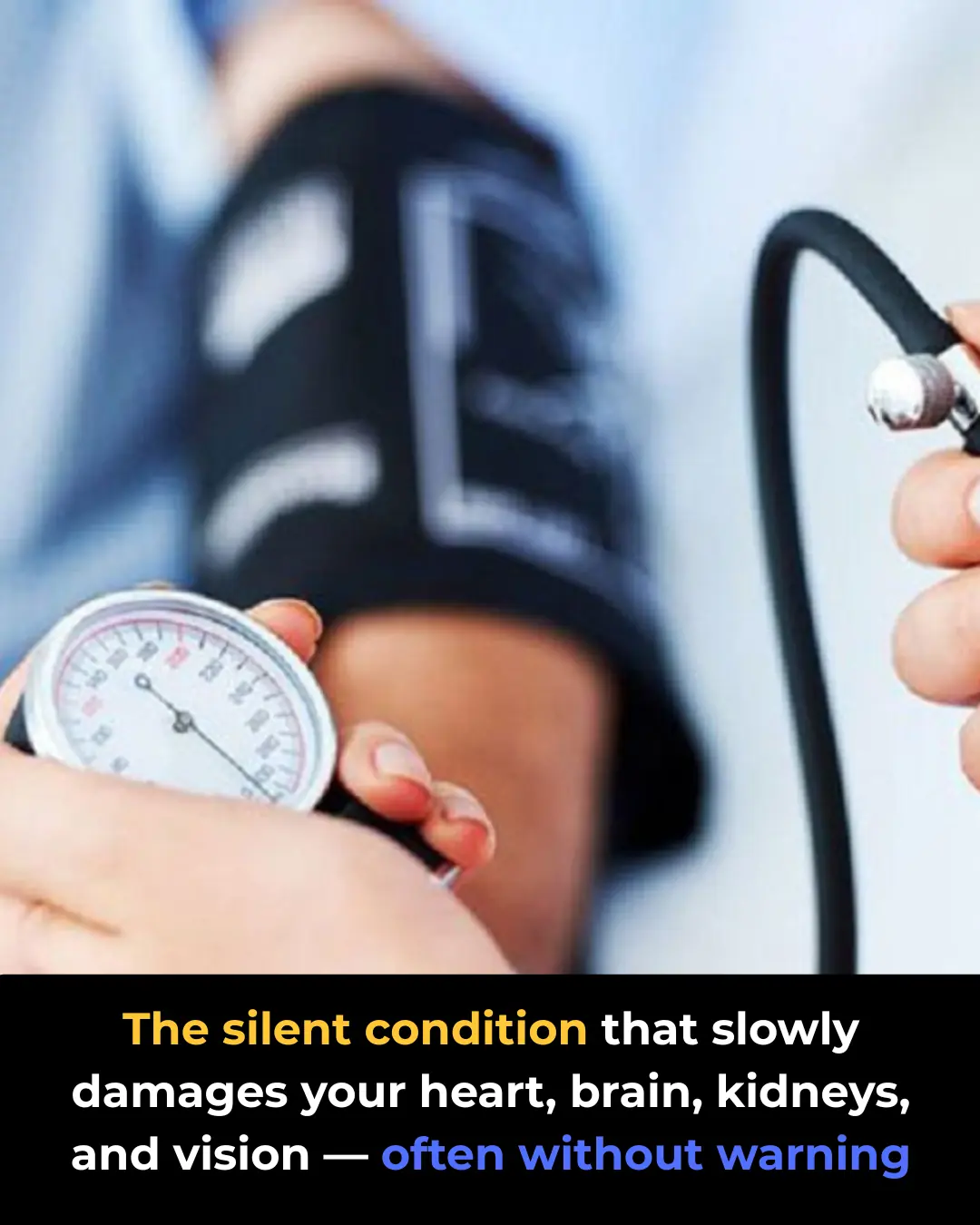
High blood pressure becomes especially dangerous when it remains uncontrolled over time. Unlike sudden hypertensive crises, uncontrolled blood pressure causes silent, progressive damage, often without obvious symptoms — until a major event like a stroke or heart attack occurs.
Many people believe they are “fine” because they feel normal. In reality, their heart and brain may already be under constant strain.
Blood pressure is considered uncontrolled when:
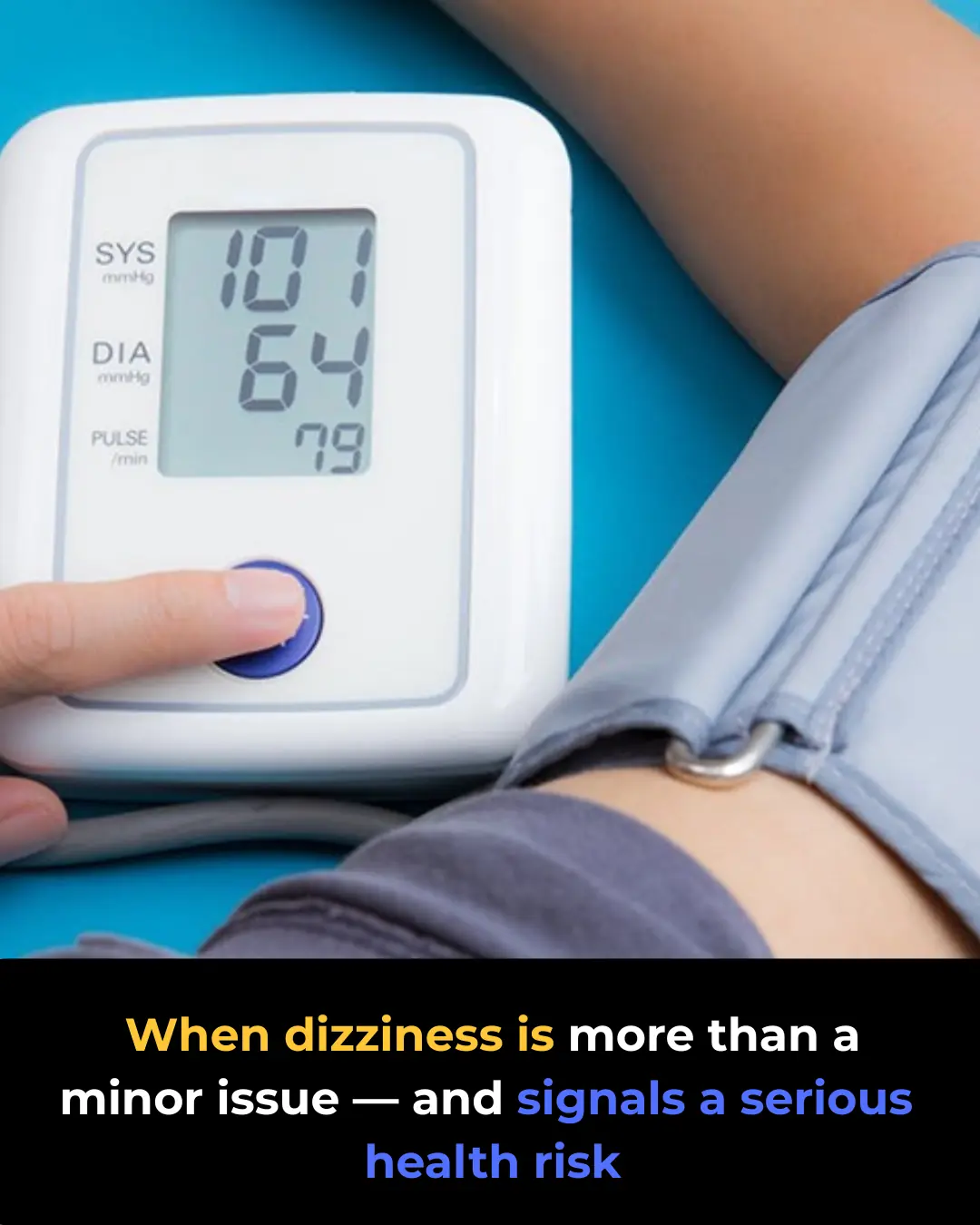
Readings consistently stay above 130/80 mmHg
Medication is skipped, underdosed, or ineffective
Lifestyle factors continue to push pressure higher
This chronic elevation forces organs to function under unnatural stress every day.
Short-term blood pressure spikes may be tolerated. Long-term elevation is different.
Constant pressure damages:
Blood vessel walls
Oxygen delivery
Organ tissue structure
Over months and years, this damage accumulates — quietly but relentlessly.
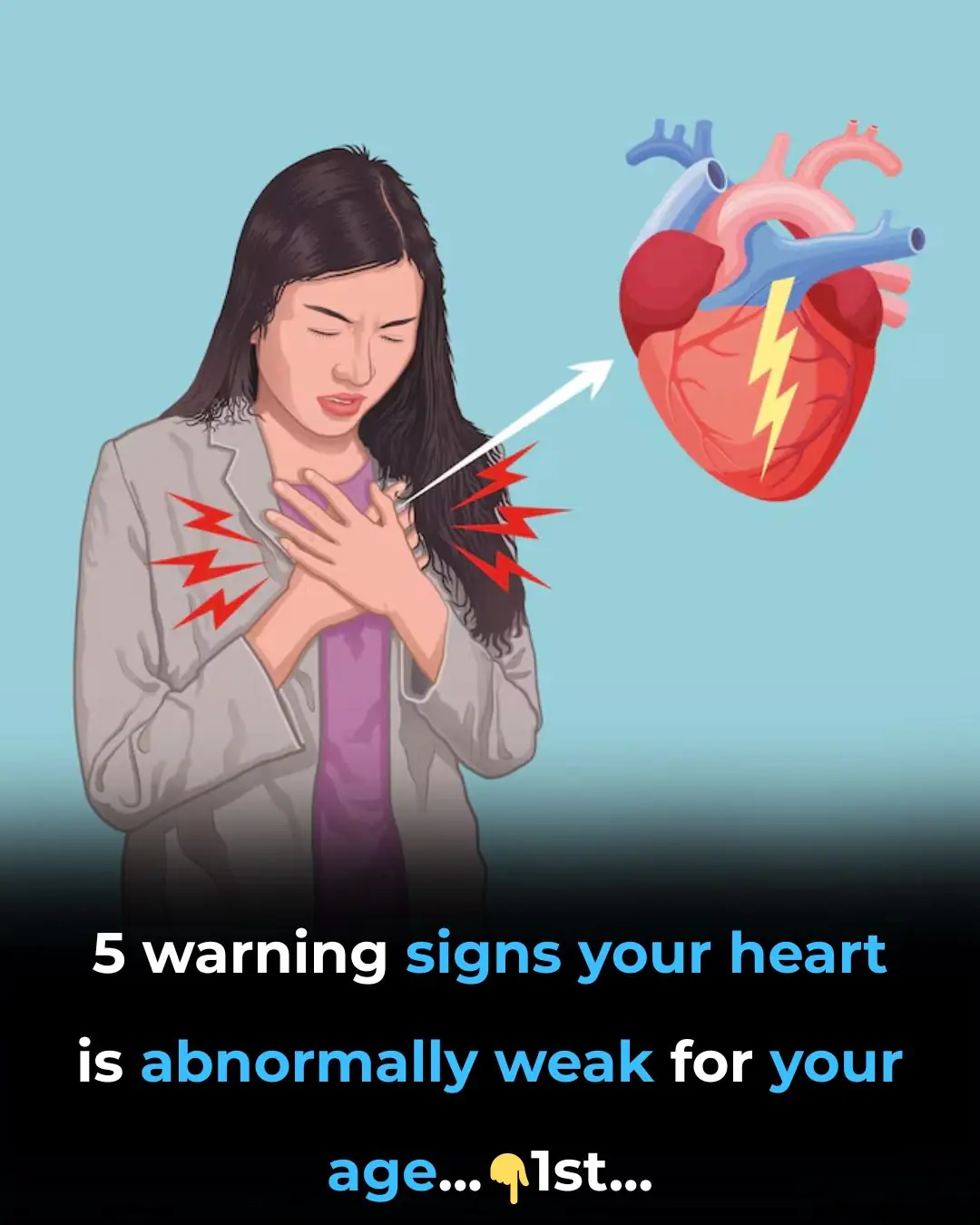
The heart is the first major organ affected by uncontrolled blood pressure.
Common heart-related consequences include:
Left ventricular hypertrophy – thickening of the heart muscle
Reduced pumping efficiency
Heart failure
Coronary artery disease
The heart works harder with every beat, eventually becoming stiff, enlarged, and weak.
High blood pressure accelerates plaque buildup inside arteries. This leads to:
Narrowed coronary arteries
Reduced oxygen supply to the heart
Higher likelihood of blood clots
A heart attack may occur without warning, especially in people who had no prior symptoms.
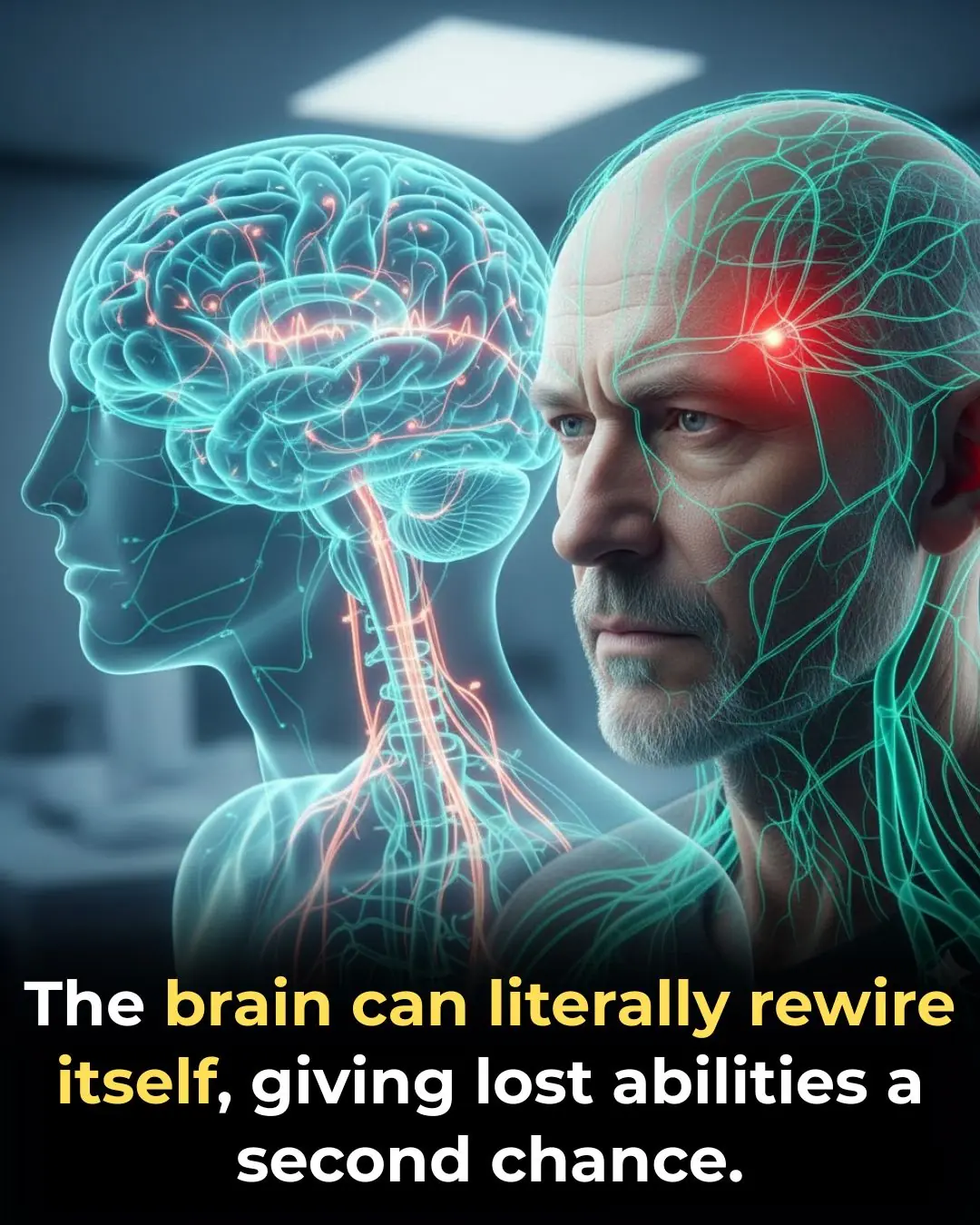
The brain is extremely sensitive to blood pressure changes. Uncontrolled hypertension significantly raises the risk of:
Ischemic stroke (blocked blood flow)
Hemorrhagic stroke (brain bleeding)
Transient ischemic attacks (mini-strokes)
Even without a major stroke, chronic damage can occur.
Long-term uncontrolled blood pressure can cause:
Memory problems
Difficulty concentrating
Slower thinking
Increased risk of vascular dementia
Small, repeated injuries to brain blood vessels slowly impair cognitive function.
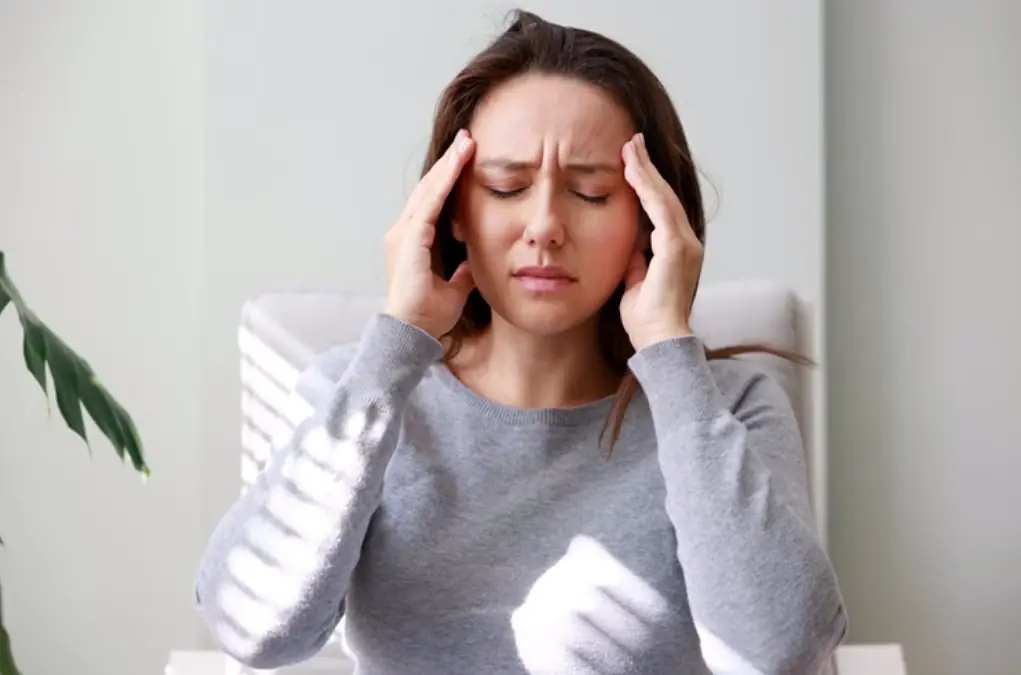
Many people with uncontrolled blood pressure feel:
“A little tired”
Occasionally dizzy
Mild headaches
These symptoms are often ignored or blamed on stress or age, allowing damage to continue undetected.
Uncontrolled pressure weakens and stiffens arteries, leading to:
Aneurysms
Reduced circulation
Increased clot formation
Once blood vessels lose flexibility, the damage is often irreversible.
You are at higher risk if you:
Skip or stop blood pressure medication
Consume excessive salt
Live with chronic stress
Are physically inactive
Have diabetes or kidney disease
Older adults and smokers face significantly higher risk.
Medication helps, but uncontrolled blood pressure often persists when:
Lifestyle habits remain unchanged
Dosages are inconsistent
Blood pressure is not monitored regularly
Long-term control requires a combined approach.
Effective control strategies include:
Daily blood pressure monitoring
Strict medication adherence
Reducing salt and processed foods
Managing stress
Regular physical activity
Routine medical follow-ups
Small daily actions create powerful long-term protection.
Consult a healthcare provider if:
Readings remain high despite treatment
You experience headaches, chest discomfort, or dizziness
Blood pressure fluctuates widely
Early adjustment can prevent irreversible damage.
Uncontrolled blood pressure is not harmless just because it feels silent. It slowly injures the heart and brain, increasing the risk of heart failure, stroke, and cognitive decline.
The most dangerous blood pressure is the one left unmanaged.