The Impressive Health Benefits of Guava Fruit and Leaves & How to Eat Guava (Evidence Based)
Health 08/01/2026 21:15
Causes of Ingrown Toenails (Onychocryptosis)
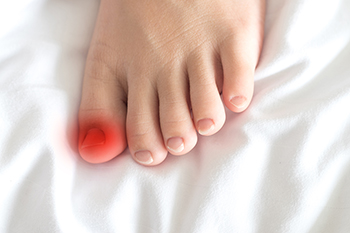
The condition can develop on any of your toes or fingers, although it usually affects the big toe. Some people have nails that naturally curve and they are more susceptible to develop ingrown nails. Other major reasons behind nails growing into the surrounding skin include:
Ill-fitting shoes – Shoes that are tight and shoes with high heels put the toes under too much pressure and can make the nails grow the wrong way. This constant pressure can cause the nail to pierce into the skin, leading to further pain and discomfort.

Improper trimming and cutting of the toes – Toes should be cut in a straight line and not made round. If nails are cut too short or the corners are rounded, they can dig into the skin. Regularly trimming the nails can help prevent the sharp edges from causing damage to the surrounding tissues.
Injury – Injury near the toenail can make it grow incorrectly. Depending on the type of injury, it can also cause the toenail to fall off. Even minor trauma, like stubbing your toe, can contribute to nail misgrowth, making it more prone to ingrowing.
Infections – Bacterial and fungal infections can change the skin tissue and thicken and widen the nail. If you suffer from toenail fungus, you should also take care of your overall foot hygiene. Read my post about the best natural cures for toenail fungus to prevent further complications.
Diabetes – If your ingrown nails are connected with a diabetic condition, you need to be extremely careful and seek professional help. Small cuts and grazes can lead to serious complications, so it’s necessary to check your toes daily and to see a podiatrist for your feet care. People with diabetes and vascular problems often have diminished sensation in their feet, and they might not notice an ingrown toenail for a while, so it is more likely to become infected, making the situation even worse. This is particularly dangerous as the infection can spread quickly without prompt treatment.
Symptoms of Ingrown Toenails
Unless you have problems with your sensation, it’s rare that you would miss the signs of an ingrown nail. The condition usually presents with the following symptoms:
Pain in the toenail area, which can worsen if left untreated. Redness and swelling, with the skin around the nail becoming inflamed. If the toenail gets infected, you can see a discharge that is either yellow (pus) or watery and can have traces of blood. This is a sign that the condition is advancing and may require medical attention. It is important to address these symptoms promptly to prevent further complications.

Best Home Remedies for Ingrown Toenails
Soak your feet
Foot baths are a very important part of the treatment as they soften the nail and the surrounding skin and make other remedies more efficient. It’s important to:
Soak your feet regularly and for long enough – do your foot bath 2 to 4 times daily for 20 to 30 minutes. Use hot or warm water. For best effects, add the following healing substances:
Epsom salt – Epsom salt softens the skin, which makes it easier to draw the toenail out. Add a heaped tablespoon of salt into the bowl of water and let your feet soak for 20 minutes. Repeat at least twice daily. You can get more information on how to use Epsom salt in this post.
Hydrogen Peroxide – Mix half a cup of hydrogen peroxide in water and perform the foot bath for at least 20 minutes. Peroxide softens the skin, prevents infection, and offers some relief from the unpleasant symptoms. It also helps disinfect the area, reducing the risk of further infection. There are also 11 amazing uses for hydrogen peroxide.
Apple cider vinegar (ACV) – Add a few tablespoons of raw ACV to your warm water and then soak your foot in the mixture. ACV can also be ingested to provide you with some of its benefits internally and help you fight off infection. As mentioned in many of my previous posts, it’s best to mix ACV with raw honey and warm water and drink the concoction every morning as it has amazing health benefits.
The cotton ball method
After you’ve soaked your feet, do the following:
Take a small piece of cotton or cotton ball and roll it between your fingers, so you get a small roll. Carefully lift the nail and place the roll between the nail and the skin. This might be very painful, but it elevates the toenail and prevents it from growing in. Leave the roll in until you do your next soak. Change the roll after every soak and try to push it a bit further every time (without causing any damage). Be patient with this process, as it may take several days for the nail to start growing in the correct direction.
Other home methods for ingrown toenails
There are other techniques you can try on your misbehaving toe:
Lemon slice – Cut a thin slice of lemon and secure it to the nail using a bandage or gauze. Leave it overnight. This treatment is particularly useful if you already have an infection as the lemon’s acidity will fight it. The natural acid in lemon also helps to soften the skin, promoting healing.
Vicks VapoRub – This product aimed at colds and coughs can also offer some relief for your ingrown as it softens the nail so you can remove it the next day and it’s also an antiseptic which can clean out the infection. The menthol-based ointment can be applied directly on the nail and helps to heal it, as well as it eases the pain. Preferably put Vicks vapor rub on the toenail (try to get some of the rub underneath the toenail as well) and then a band-aid overnight. It can also provide a cooling effect, easing discomfort during the healing process.
While you’re undertaking your home treatment, give your feet and toes a rest. It’s best to go barefoot or bare-toed for a few days and let the toe heal. Afterwards, wear comfortable shoes that give your toes enough space, and cut your toes straight to prevent another ingrown nail.
If the problem persists or you observe signs of infection, you need to see a doctor to avoid any complications. If left untreated, an ingrown toenail can lead to chronic infections, which might require more invasive medical treatments, including surgery.
Translation to English:
Causes of Ingrown Toenails (Onychocryptosis)
Ingrown toenails can occur on any toe or finger, but the big toe is the most commonly affected. Some individuals naturally have curved nails, which predisposes them to ingrown nails. Other major causes include:
Ill-fitting shoes – Tight shoes and high heels put excessive pressure on the toes, causing the nails to grow incorrectly. This consistent pressure can lead to the nail piercing the skin, which can worsen the condition.
Incorrect trimming – Toenails should be cut straight across, not rounded. If cut too short or with rounded corners, nails can dig into the skin.
Injury – Trauma near the toenail can affect its growth. Even small injuries, such as stubbing your toe, can contribute to an ingrown toenail.
Infections – Bacterial and fungal infections can alter the skin tissue, leading to a thicker and wider nail. Those with toenail fungus should take extra care to maintain foot hygiene.
Diabetes – Diabetic individuals must take extra precautions, as small cuts or grazes can lead to severe complications. Regular foot checks and podiatrist visits are necessary to prevent infections from worsening.
Symptoms of Ingrown Toenails
The main signs include:
Pain, redness, and swelling around the toenail. If the toenail is infected, yellowish pus or watery discharge with traces of blood may appear. Prompt treatment can help prevent further infection.
Best Home Remedies for Ingrown Toenails
Soak your feet – Soaking feet in warm water with healing substances such as Epsom salt, hydrogen peroxide, or apple cider vinegar can soften the nail and skin, making other treatments more effective.
Cotton ball method – After soaking, place a small piece of cotton between the nail and skin to lift the nail and prevent it from growing into the skin. Continue changing the cotton after each soak.
Topical treatments – Apply substances like apple cider vinegar, eucalyptus oil, or lavender oil to the affected area to alleviate pain and prevent infection.
Other methods – Additional remedies include using lemon slices or Vicks VapoRub to ease symptoms and promote healing.
Rest your feet while treating the condition, and wear comfortable shoes to avoid further aggravating the ingrown toenail. Seek medical attention if the problem persists or becomes infected.