How to Prepare to See a Gynecologist for the First Time
-
Schedule the Appointment at the Right Time If you're menstruating, you might want to schedule your appointment when you're not on your period unless it’s necessary. However, some gynecological exams can be done during menstruation, so it’s best to check with the office.
-
Prepare Your Medical History Write down your health history, including:
-
Any previous gynecological issues (e.g., menstrual irregularities, infections, or surgeries).
-
Information about your sexual history (if applicable).
-
Any medications you are currently taking.
This helps your gynecologist get a clear understanding of your health.
-
-
Know What to Expect During the Exam Your first gynecological exam typically involves a pelvic exam, a Pap smear (if needed), and a breast exam. Your gynecologist will also ask questions about your menstrual cycle, sexual health, and general well-being.
-
Wear Comfortable Clothing Choose an outfit that is easy to remove from the waist down. You will be asked to change into a gown for the exam, so dressing in layers or wearing clothes that are easy to take off will make things more comfortable.
-
Don’t Be Afraid to Ask Questions Bring any questions you might have about your body, menstrual cycle, contraception, or sexual health. Your gynecologist is there to help and provide guidance, and they are happy to answer any questions you may have.
-
Avoid Douching or Using Vaginal Products Before the Visit It’s recommended not to use any vaginal products, like douches or sprays, 24 hours before your visit. This ensures that the doctor can accurately assess your vaginal health without interference from products that might alter the natural environment.
-
Be Honest About Your Health It’s crucial to be open about your health, as it will help your gynecologist provide the best care. If you have concerns about STDs, pain, or other issues, let your doctor know.
-
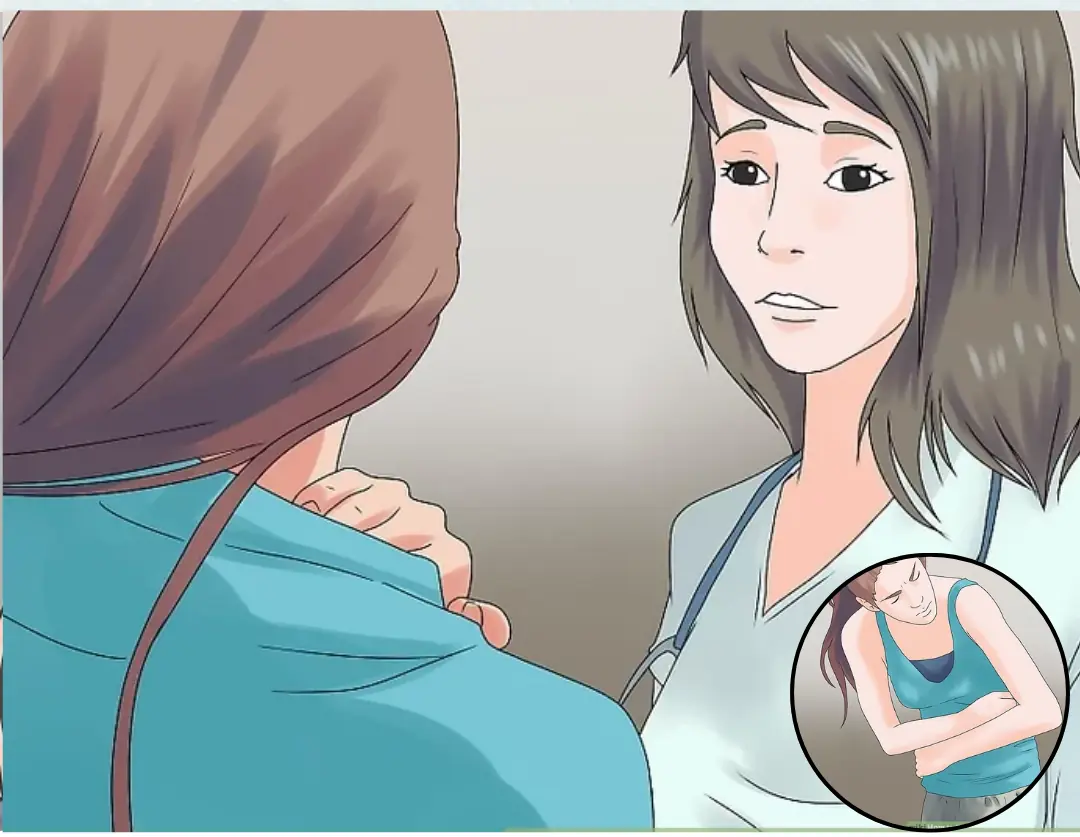
Stay Relaxed It's natural to feel nervous, especially if it’s your first time. Try to stay relaxed, as the more relaxed you are, the smoother the exam will go. The gynecologist will guide you through each step and make sure you're comfortable throughout the process.
-
Have a Support Person if Needed If you’re feeling especially nervous or unsure, it’s okay to bring a friend or family member along for support. Many people find it comforting to have someone they trust with them.
Conclusion
Visiting a gynecologist for the first time is an important step toward taking care of your health. By preparing beforehand, asking questions, and being open with your doctor, you can make the experience more comfortable and beneficial. Don't hesitate to communicate with your gynecologist if you have any concerns during the appointment.

News in the same category


What Vitamin Deficiency Causes Dry Lips?

A man's liver was riddled with holes like a honeycomb due to regularly eating one type of fish: Doctors advise eating as little as possible of these four types of fish because they contain carcinogens

Seven Common Habits Linked to Cancer After the Age of 40

Five Highly Toxic Meats That Should Be Avoided

Vinegar Consumption and Reduced Risk of Calcium Oxalate Kidney Stones: Evidence from a Pilot Human Study

11 Health Warnings Your Fingernails May Be Sending

Bloated Stomach: 8 Common Reasons and How to Treat Them (Evidence Based)

Occupational Bromide Exposure and the Development of Multiple Cherry Angiomas: Insights from a Case Report

How to Use Castor Oil to Regrow Eyelashes and Eyebrows

Three-Dimensional Video Gaming and Hippocampal Plasticity in Older Adults

Affectionate Touch, Oxytocin, and Women’s Stress and Cardiovascular Health

Raw Cabbage Juice and Rapid Healing of Peptic Ulcers: Early Clinical Evidence from Stanford

Montmorency Tart Cherry Juice as a Supportive Dietary Intervention in Ulcerative Colitis

Anemia: A Lesser-Known Side Effect of GLP-1 Receptor Agonists?

Can Gray Hair Be a Sign That the Body Is Eliminating Cancer Cells?

A 95-Year-Old Cancer Expert with 60 Years of Research Reveals: Four Things You Must Avoid to Keep Cancer from Knocking on Your Door

Clinical Trials Show Meaningful Progress in Pancreatic Cancer Treatment

Medicinal Health Benefits of Garlic (Raw, Supplement) – Science Based

Colon Cleansing: How to Naturally Flush Your Colon at Home (Science Based)
News Post

Why Your Cough Gets Worse at Night — and What to Do About It

What Vitamin Deficiency Causes Dry Lips?

Throwing a bar of soap down the toilet, thinking it's worthless, turns out to be a delight for everyone

Mopping the floor with this ingredient will make it sparkling clean, like new, and dust-free for a whole week

A man's liver was riddled with holes like a honeycomb due to regularly eating one type of fish: Doctors advise eating as little as possible of these four types of fish because they contain carcinogens

My nana taught me this hack to strengthen nails in 3 mins with 0 work. Here’s how it works

The "Freedom Ride": A New Chapter for a Shelter Survivor

The Wisdom of a Short Life: Why Dogs Leave Us So Soon

From "Death Row" to a Dignified Life: The Miracle Transformation of Clementine

The Warrior’s Wag: Celebrating a Cancer-Free Pitbull and the Truth Behind the Breed

The Power of a Hug: How One "Code Red" Dog Embraced His Way to a Second Chance

The Bright Spot in the Shadows: A Tribute to Kaydee

Seven Common Habits Linked to Cancer After the Age of 40

Five Highly Toxic Meats That Should Be Avoided

Even old, non-stick pans can be "revived" with just a few simple tips that everyone should know.

When buying oranges, look here: the bigger they are, the sweeter they are, so grab them quickly!

Tips for making sticky rice that cooks quickly without soaking the rice overnight, resulting in plump grains that remain soft and chewy even after a while.

10 signs you're not drinking enough water

Vinegar Consumption and Reduced Risk of Calcium Oxalate Kidney Stones: Evidence from a Pilot Human Study