
Snake or Elephant? This Viral Optical Illusion Claims to Reveal How You See the Future
Facts 12/06/2026 15:46
Overactive Brain Cells May Hold a Key to Understanding Schizophrenia
Scientists have identified a small but powerful group of brain cells that may play a crucial role in the development of schizophrenia. In a recent study, researchers found that a specific type of neuron—known as GABAergic projection neurons—became unusually overactive in cases linked to the disorder. Experiments conducted in laboratory mice carrying a genetic mutation associated with schizophrenia revealed that when these neurons went into overdrive, the animals began to show clear signs of disrupted sleep patterns and cognitive difficulties, both of which are hallmark symptoms seen in people with the condition.
GABAergic neurons normally act as the brain’s braking system. By releasing the inhibitory neurotransmitter GABA (gamma-aminobutyric acid), they help maintain a healthy balance between excitation and inhibition in neural circuits. This balance is essential for stable thinking, emotional regulation, and normal sleep. However, in the study, the affected GABAergic projection neurons did the opposite of what might be expected: instead of calming brain activity, they became excessively active, throwing key neural networks out of balance. When researchers experimentally reduced this hyperactivity, the results were striking—sleep patterns normalized, and the mice’s behavioral and cognitive performance improved dramatically. This finding highlights just how tightly mental health depends on finely tuned brain cell activity.
One of the most surprising aspects of the discovery was timing. Although the genetic mutation linked to schizophrenia was present from early life, the neurons did not become overactive right away. The abnormal activity only emerged later, as the brain matured. This suggests that the developing brain can initially compensate for genetic risk, maintaining normal function for years. At a certain point, however, this compensatory ability appears to break down, triggering the onset of symptoms. Researchers believe this delayed shift may correspond to adolescence or early adulthood in humans—the same life stage when schizophrenia most often first appears, according to the U.S. National Institute of Mental Health (NIMH).
This idea of a “critical window” is especially important. If scientists can identify when and why the brain loses its ability to maintain balance, it could open the door to early interventions that prevent or reduce the severity of symptoms. Similar concepts have been discussed in leading neuroscience journals such as Nature Neuroscience and Science, which emphasize that schizophrenia is not a sudden illness but a progressive brain disorder with roots in early development (Nature Neuroscience; Science).
The findings also give researchers a much more precise biological target. Rather than broadly altering brain chemistry—as many current antipsychotic medications do—future treatments could aim to specifically regulate the activity of these GABAergic projection neurons. Such targeted approaches may reduce side effects and improve outcomes, especially if applied before the disorder fully manifests. This strategy aligns with a broader shift in psychiatry toward early detection and prevention, supported by organizations like the National Institutes of Health (NIH) and the World Health Organization.
Overall, this discovery deepens our understanding of how schizophrenia develops and why its symptoms often appear later in life, despite early genetic risk. By showing that a small population of misfiring neurons can disrupt sleep, thinking, and behavior—and that restoring balance can reverse these effects—the study offers hope for more effective and timely interventions. It underscores a powerful message from modern neuroscience: maintaining balance in brain activity is essential for mental health, and even subtle disruptions can have profound consequences if left unchecked.




Narcissistic Personality Disorder Signs

Study identifies possible connection to autism development

Check your personality based on the word that comes to your mind first





IQ Test: What is the name of the fifth son?

What Does Your Sitting Position Say About Your Personality

What is the name of the father?
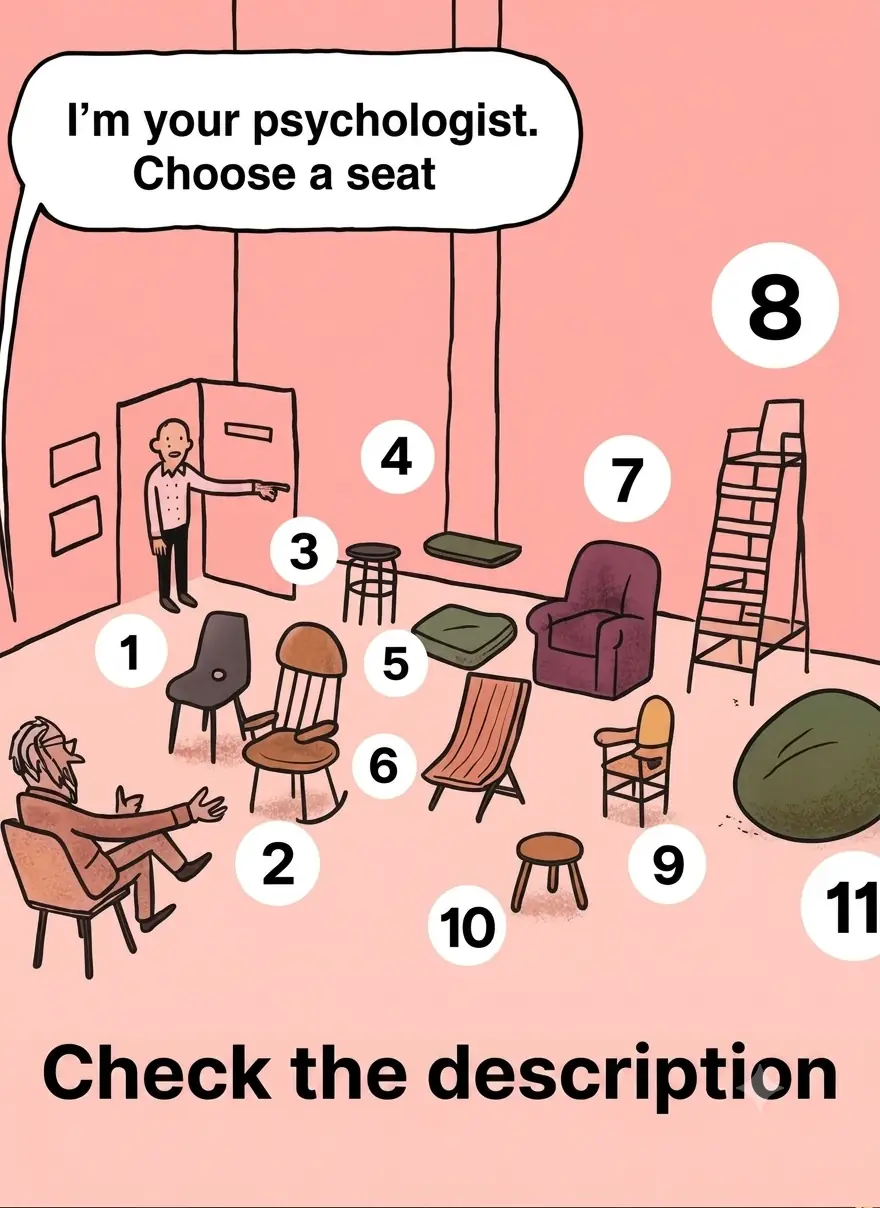
Pick Your Throne: A Fun Little Guide to Your Inner Weirdness





Narcissistic Personality Disorder Signs

Debate: Asking Babies for Consent Before Changing Their Diapers
Study identifies possible connection to autism development
Check your personality based on the word that comes to your mind first