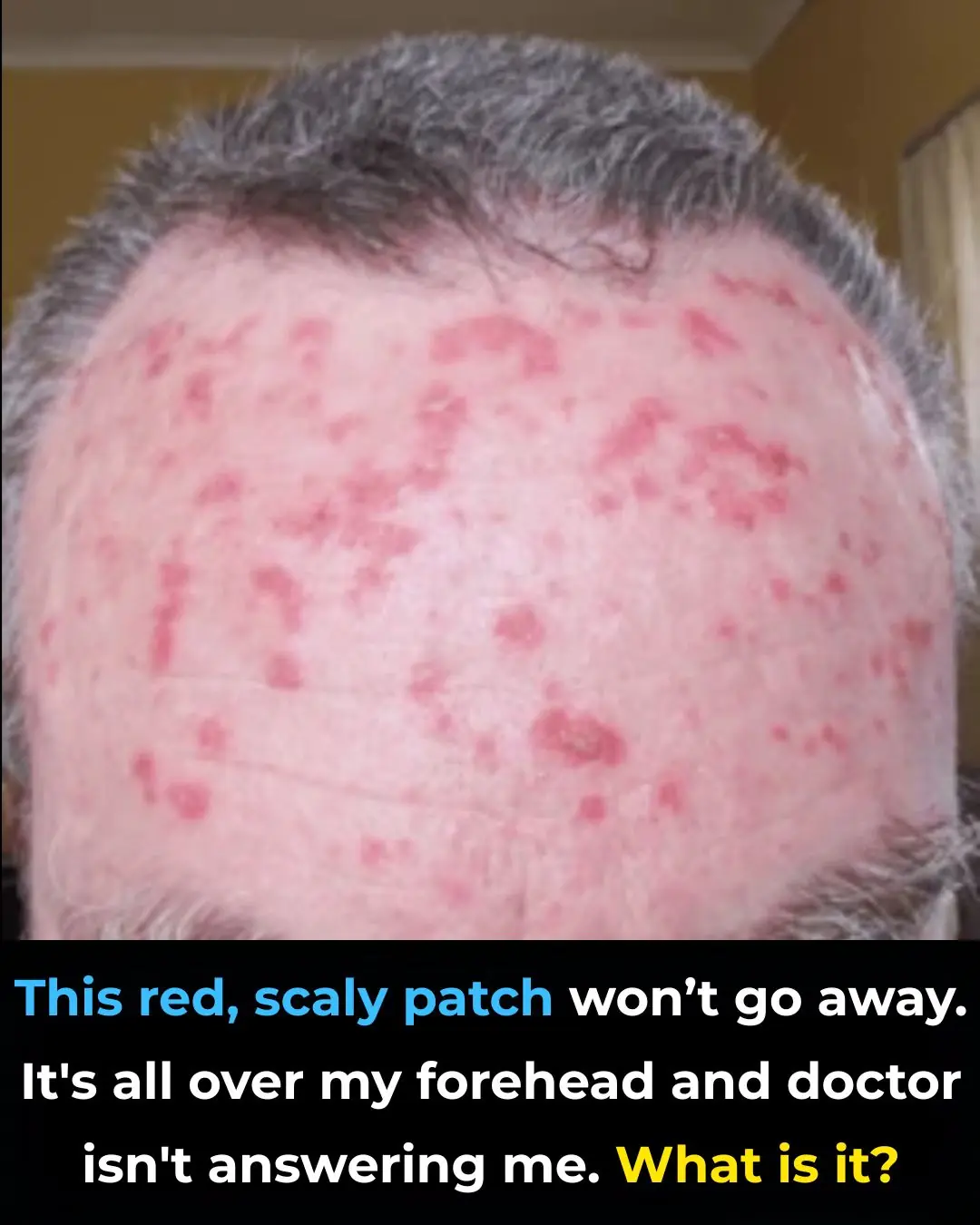
This red, scaly patch won’t go away. It's all over my forehead and doctor isn't answering me. What is it?
Tips 08/01/2026 21:20
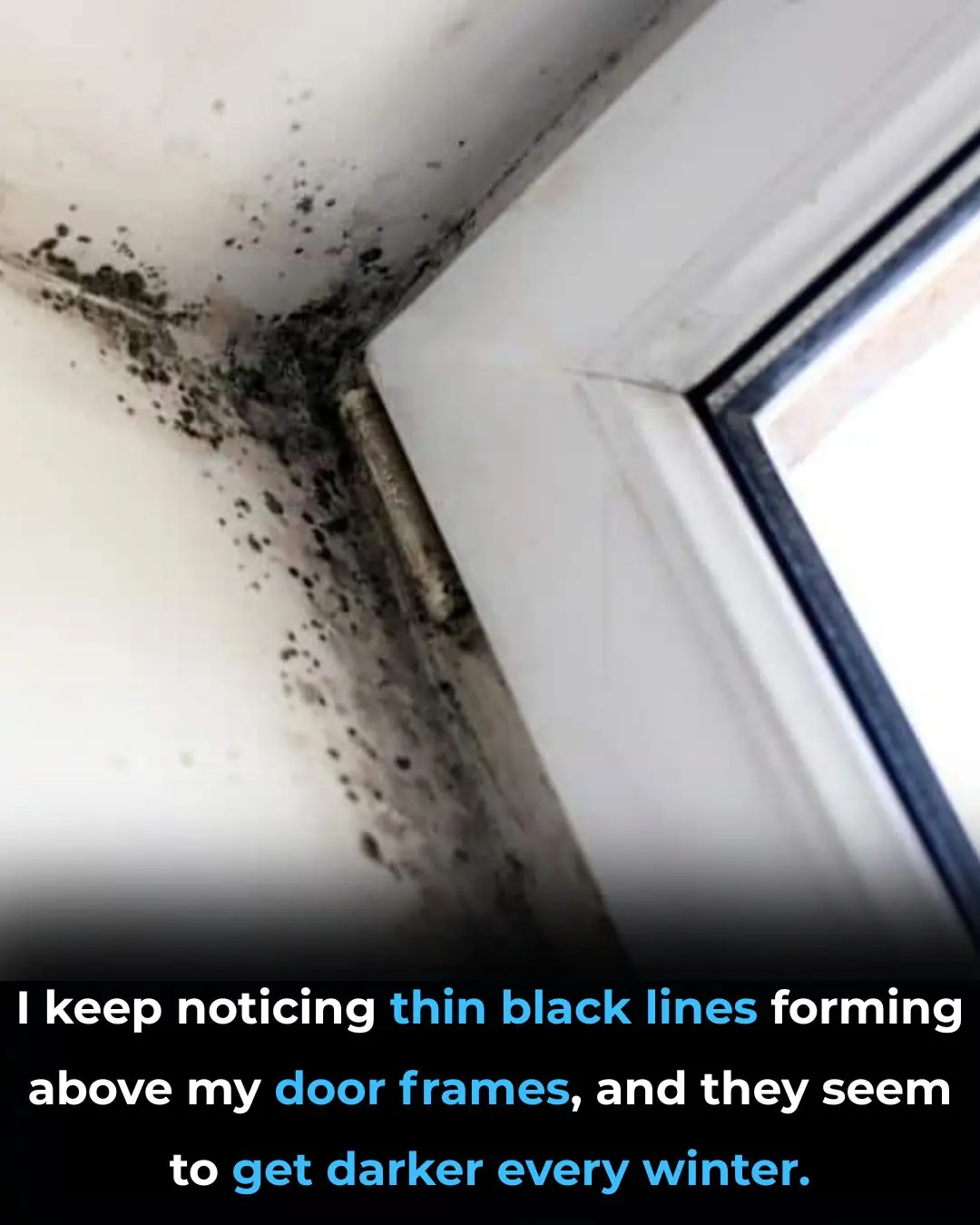
As winter approaches, many homeowners begin to notice subtle but puzzling changes inside their homes. One of the most common — and often misunderstood — is the appearance of thin black lines forming above door frames. These marks tend to darken year after year, especially during colder months, raising concerns about mold, leaks, or structural damage.
While alarming at first glance, these lines are usually not dangerous. Instead, they are a visible sign of a phenomenon known as thermal tracking, sometimes referred to as ghosting. Understanding why this happens — and how to fix it — can help you improve both the appearance and energy efficiency of your home.
The dark streaks that appear above door frames are typically caused by dust and soot particles settling on cooler surfaces. During winter, temperature differences inside your home become more pronounced. Certain areas of walls and ceilings cool faster than others, especially where insulation is weak or interrupted.
These cooler zones attract airborne particles, which gradually accumulate and form visible lines. Over time, the pattern becomes darker and more noticeable, particularly in older homes or those with insulation gaps.
Thermal tracking occurs when warm, humid indoor air meets colder wall or ceiling surfaces. As the warm air cools, moisture may condense slightly, creating a tacky surface that traps dust, soot, and other fine particles.
This process often outlines structural elements such as:
Studs and joists
Door and window frames
Ceiling edges and corners
Because these components conduct heat differently than insulated areas, they create the perfect conditions for particle buildup.
Air movement inside your home plays a major role. Warm air naturally rises and circulates, carrying microscopic particles with it. Above door frames — where airflow shifts and temperature changes are common — particles are more likely to settle.
Heating systems, room layout, and door placement can all influence how air moves. Over time, this invisible circulation creates visible “tracks” where dust repeatedly settles.
Door frames are notorious weak points in insulation. Structural framing often disrupts insulation coverage, creating narrow cold zones just above doors. When cold outdoor air seeps in through poorly sealed doors or walls, the temperature difference becomes even greater.
These cold spots essentially “draw” dust out of the air, making the black lines more defined each winter unless the underlying issue is addressed.
Thermal tracking doesn’t happen without particles in the air. Common sources include:
Household dust
Candle soot
Cooking fumes
Fireplaces or indoor smoking
During winter, homes are sealed tighter, ventilation is reduced, and heating systems run more frequently — all of which increase the concentration of airborne particles that can settle on cold surfaces.
In colder months, the contrast between warm indoor air and cold exterior walls is at its peak. This strong temperature difference accelerates thermal tracking. Additionally, lower winter humidity and reduced ventilation allow particles to cling more easily to surfaces.
In summer, better airflow, open windows, and smaller temperature differences help prevent the buildup, which is why the lines often fade or stop growing.
It’s important to rule out more serious problems. Thermal tracking usually:
Appears in straight, consistent lines
Follows framing patterns
Wipes off easily
Mold, by contrast, tends to be patchy, irregular, and may smell musty. Water damage from leaks often comes with bubbling paint, soft drywall, or spreading stains. Recognizing these differences can save unnecessary worry.
You can perform a few easy checks:
Wipe test: If the mark comes off easily and returns over time, it’s likely dust-based ghosting.
Pattern check: Straight lines aligned with framing strongly suggest thermal tracking.
Thermal scan: A thermal camera or energy audit can reveal hidden cold spots.
To remove existing lines:
Start with warm water and mild dish soap
Use a soft sponge or microfiber cloth
For stubborn marks, try diluted white vinegar
Always test cleaners on a small area first. Avoid abrasive tools, which can damage paint.
The key to prevention is reducing temperature differences and airborne particles:
Seal door and window gaps with weatherstripping
Caulk cracks around frames and trim
Improve wall and attic insulation
Reduce candle use and indoor soot sources
These fixes not only prevent ghosting but also lower heating costs.
Better airflow means fewer particles settling on surfaces:
Use kitchen and bathroom exhaust fans regularly
Upgrade HVAC filters to high-efficiency models
Replace filters consistently
Consider air purifiers in high-use rooms
Cleaner air equals fewer stains.
If the problem persists, professionals can help:
Energy audits identify heat loss areas
Infrared scans pinpoint insulation gaps
Insulation upgrades provide long-term solutions
Though an upfront investment, these services often pay off in comfort and energy savings.
Consistent maintenance makes all the difference:
Inspect seals and insulation annually
Keep indoor air clean and well-filtered
Address drafts as soon as they appear
With the right habits, those mysterious black lines don’t have to return.