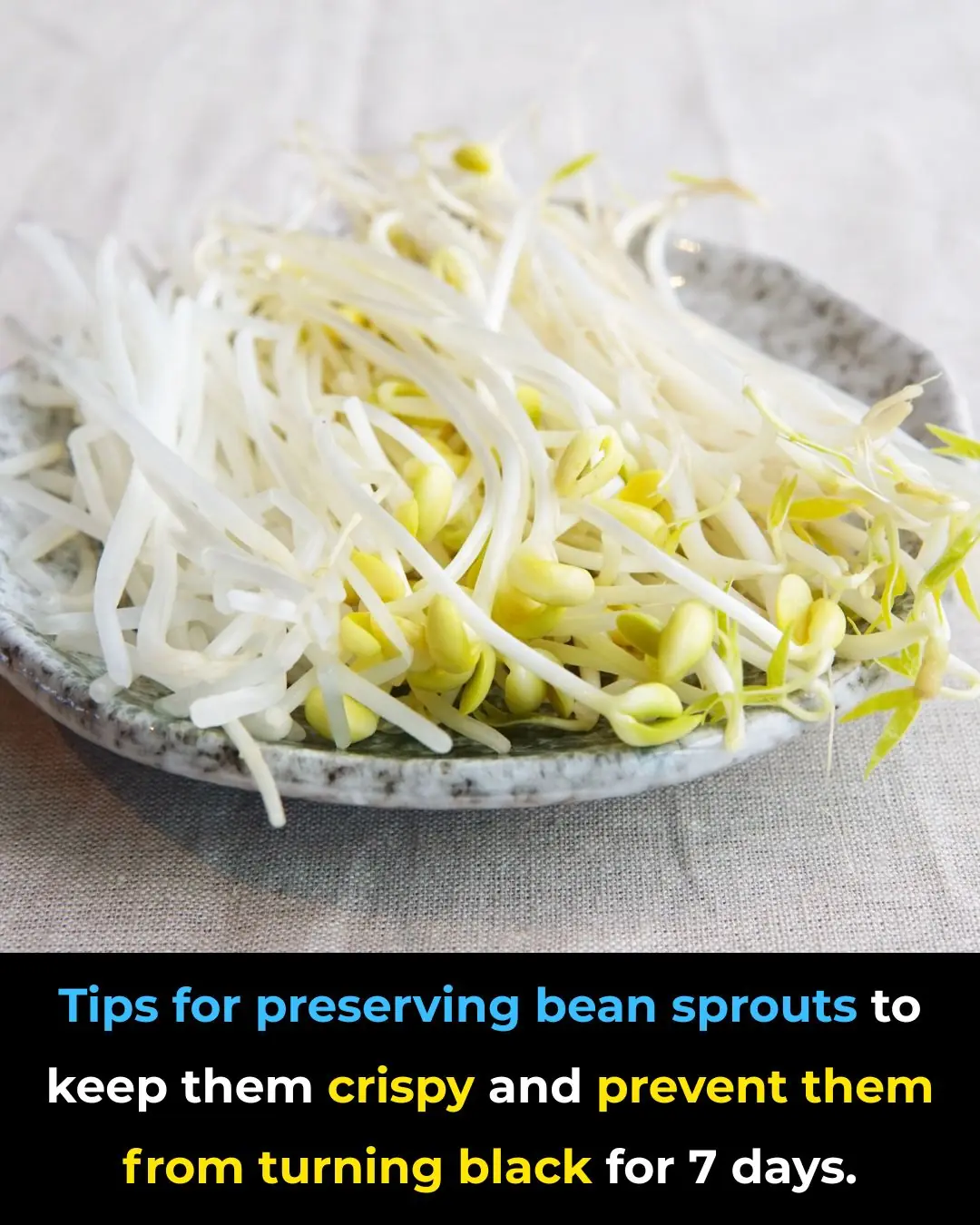
Tips for preserving bean sprouts to keep them crispy and prevent them from turning black for 7 days.
Tips 09/01/2026 13:51

The recent discovery by authorities of a large-scale counterfeit powdered milk production facility has caused widespread public concern. During the investigation, law enforcement agencies conducted searches at 19 locations and seized 84 types of powdered milk, totaling 26,740 cans from 90 batches. What is particularly alarming is that these counterfeit products were packaged in highly sophisticated containers, nearly identical to well-known brands, while the contents inside were made from ingredients of unknown origin. It is estimated that nearly VND 500 billion was illegally earned from this operation over a four-year period.
This incident has left many parents deeply worried, as counterfeit milk products are becoming increasingly sophisticated and difficult to detect. Meanwhile, the consequences of using low-quality milk can seriously affect health, especially for young children. Below are ways to distinguish genuine milk from fake milk that parents should remember to protect their children.
Genuine milk products usually feature sharp designs, clear colors, and well-printed, complete information on the packaging without smudging. The packaging clearly displays essential details such as brand name, ingredients, instructions for use, manufacturing date, and expiration date. For authentic imported milk, the packaging typically does not have Vietnamese printed directly on it but instead includes a supplementary label in Vietnamese for user guidance.
Counterfeit milk products often have blurry packaging, overly bright or faded colors, and information that is easily smudged, incorrect, or incomplete. Some fake products even reuse genuine packaging that has already been used, modifying it by blurring or altering the expiration date information.
You can use the barcode printed on the packaging to check the product’s origin. Below are some common barcode prefixes:
893: Vietnam
885: Thailand
880: South Korea
888: Singapore
690–692: China
00–13: United States and Canada
49: Japan
30–37: France
40–44: Germany
471: Taiwan
489: Hong Kong
94: New Zealand
93: Australia
50: United Kingdom
Genuine milk has clearly printed or embossed manufacturing and expiration dates that show no signs of erasure or alteration. In contrast, counterfeit milk often has unclear expiration information, blurred printing, or visible signs of tampering. Consumers should be cautious of products priced significantly lower than the market average, as they may be low-quality or expired goods.
Genuine milk has a mild, pleasant aroma, a light taste, and dissolves slowly in the mouth, often leaving a slightly sticky feeling on the tip of the tongue. Fake milk, on the other hand, may have a sour taste or an unusual smell, dissolve abnormally fast in the mouth, and cause discomfort.
Authentic powdered milk usually has a uniform light yellow color. Fake milk may appear darker yellow or slightly grayish, with unnatural coloring and a tendency to clump.
When touched by hand, genuine milk powder feels smooth, fine, and fluffy, without clumps. It feels soft and silky to the touch. Counterfeit milk often feels coarse, uneven, clumpy, and may feel gritty when examined by hand.
When mixed with hot water, genuine milk powder will float on the surface at first, requiring stirring to dissolve completely, and will not leave sediment after about five minutes. In contrast, fake milk may dissolve very quickly even without stirring and will settle at the bottom of the cup after being left for a while.
When mixed with cold water, genuine milk does not dissolve easily and requires stirring to mix evenly. Fake milk may dissolve unusually fast or form sediment immediately after being added to the water.
Giving children counterfeit milk can lead to many dangerous health consequences, which may be recognized through the following symptoms:
Digestive disorders: Children may experience stomach pain, nausea, vomiting, or diarrhea due to their inability to absorb the unknown ingredients found in fake milk.
Fatigue: Children may suffer from vomiting, dehydration, lethargy, or even loss of consciousness due to poisoning or nutrient deficiency.
No weight gain or weight loss: Children who consume fake milk do not receive sufficient nutrition, making them prone to malnutrition and delayed physical and intellectual development.
Children’s digestive systems are still underdeveloped, so consuming poor-quality powdered milk can easily cause allergies, diarrhea, or even poisoning. If the milk contains bacteria or mold due to unsanitary production processes, children may suffer from infections, muscle paralysis, respiratory problems, and even death. Therefore, choosing products from reputable brands and purchasing from trusted retailers is extremely important.
Parents should develop the habit of carefully reading packaging information, including ingredients, usage, place of manufacture, and expiration date.
During use, parents should closely observe their child’s health and reactions. If any abnormal signs appear, such as vomiting, diarrhea, weight loss, rashes, or respiratory problems, stop using the product immediately and take the child to a doctor.
Avoid purchasing cheap milk products of unclear origin. Prioritize buying the correct type of milk your child is currently using from reputable stores, pharmacies, or supermarkets.
Milk is an essential source of nutrition for young children. Do not let a lack of caution put your child’s health at risk. Understanding how to distinguish genuine milk from counterfeit milk will help you feel more confident when choosing products for your beloved child.