Part 2 : The Name That Shouldn’t Exist Anymore
Garden Healthy 30/04/2026 20:13
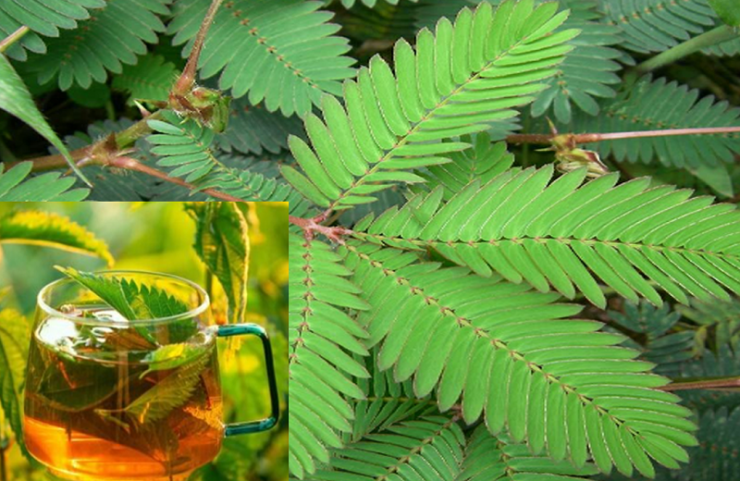
Mimosa pudica, commonly known as the “sensitive plant,” “touch-me-not,” or “shy plant,” is well-known for its fascinating leaf movements—folding inward when touched. Beyond this unique characteristic, Mimosa pudica has a long history of traditional use in various cultures, where different parts of the plant (leaves, stems, and roots) have been employed in herbal remedies. In recent years, Mimosa pudica tea has gained attention for its potential health benefits and traditional uses. Below, we explore how this tea is prepared, its possible benefits, and considerations for safe use.
Traditional medicine often utilizes Mimosa pudica to help soothe digestive discomfort. Some people claim it may help reduce diarrhea or mild gastrointestinal irritation. Certain compounds in the plant, such as tannins and flavonoids, may contribute to an astringent effect on the digestive tract, supporting better gut health.
Preliminary research suggests that extracts from Mimosa pudica may exhibit antimicrobial activity against certain bacteria. In some traditional practices, it’s used as a supportive remedy against intestinal parasites. However, robust clinical data is lacking, and more research is needed to confirm its effectiveness.
Folk medicine occasionally employs Mimosa pudica for its possible anti-inflammatory effects. The plant is applied externally for minor wounds or skin irritations, and consuming the tea is believed to help with mild internal inflammation. While anecdotal reports suggest benefits, more research is needed to confirm these claims.
Topical preparations, such as pastes or poultices made from the leaves or roots of Mimosa pudica, have been used for minor cuts, rashes, and skin irritations, suggesting potential benefits in skin repair. The tea, when cooled and used as a wash, may also be applied to certain skin irritations, providing a soothing effect.
Some traditional sources cite Mimosa pudica for its mild sedative or relaxing properties, potentially helping ease occasional anxiety or promote better rest. While modern evidence is not extensive, anecdotal reports suggest gentle relaxation effects, making it a calming beverage.
It’s important to use only organically grown Mimosa pudica, free from pesticides or contaminants. If you don’t grow it at home, seek a reputable herbal supplier to ensure quality and purity.
Harvest the leaves (and possibly tender stems), then rinse gently to remove any dirt. Air-dry them in a warm, shady spot with good airflow until they are crisp and can be easily crumbled.
Ingredients: ~1 teaspoon of dried Mimosa pudica leaves (per 1 cup of water).
Steps:
Boil fresh, filtered water.
Pour the hot water over the dried leaves in a teapot or cup.
Cover and let steep for 5–10 minutes.
Strain and serve. You may add honey or lemon to taste.
Mimosa pudica tea has a mild, slightly earthy or herbal taste. You can adjust the steeping time or quantity of leaves to suit your personal preference.
While Mimosa pudica has been used in traditional medicine, large-scale scientific studies are limited. Its safety and efficacy for certain health conditions are not well-established, so it’s important to approach with caution.
Some individuals may experience gastrointestinal discomfort or allergic reactions. If you notice any adverse effects such as nausea, itching, or a rash, discontinue use and consult a healthcare professional.
Due to limited research, it’s best for pregnant or breastfeeding women to avoid Mimosa pudica tea unless advised otherwise by a qualified healthcare provider.
If you take prescription drugs or have underlying health conditions, speak with a healthcare professional before using Mimosa pudica in any form, as it may interact with medications.
Ensure the plant material is correctly identified and sourced. Confusion with other species or contamination can pose risks, so proper identification and sourcing are essential.
Topical Applications: Mimosa pudica is used as a paste or poultice for minor skin issues or wounds, based on traditional recipes. This can be an alternative remedy for skin problems.
Herbal Capsules: Some supplement brands offer Mimosa pudica in capsule form, often marketed for gut health or parasite cleansing, offering another way to consume the plant’s benefits.
Garden and Ornamental: In addition to its medicinal uses, Mimosa pudica is grown as an ornamental plant because of its intriguing leaf movements. It makes for a fascinating addition to any garden.
Mimosa pudica tea is an intriguing herbal infusion with centuries of traditional use. While modern science is beginning to explore its potential—ranging from antimicrobial to calming properties—conclusive clinical evidence is still developing. If you’re curious about trying Mimosa pudica tea:
Source the leaves responsibly and ensure proper identification of the plant.
Start with small amounts to gauge your personal tolerance.
Remember that serious or persistent health issues should be addressed with a healthcare professional.
As with any herbal remedy, moderation and informed usage are key to reaping potential benefits while minimizing risks.