
Garden Healthy 16/03/2026 16:41
Papaya Is Nutritious — But These 5 Groups Should Be Careful About Eating It Too Often
Papaya Is Nutritious — But These 5 Groups Should Be Careful About Eating It Too Often
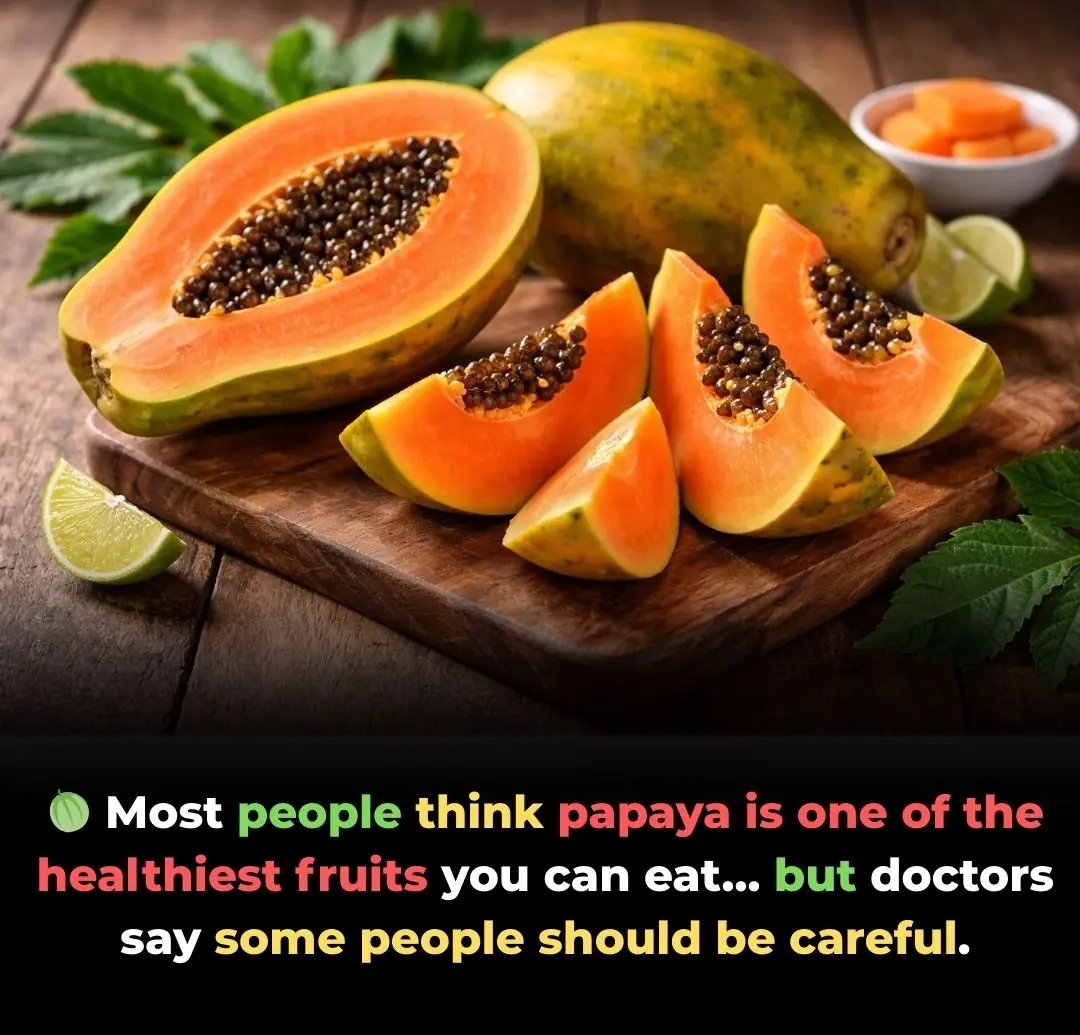
Papaya has long been considered a healthy fruit. It is sweet, easy to digest, and packed with vitamins and antioxidants. Many people include papaya in their diet to support digestion, strengthen immunity, and improve skin health.
However, like many foods, papaya may not be ideal for everyone in every situation. The issue is not that papaya itself is harmful, but that certain individuals may need to be more cautious about how and how much they consume.
Here are several groups of people who may want to pay closer attention before eating papaya frequently.
1. Pregnant Women Should Be Careful With Unripe Papaya
One of the most commonly mentioned concerns involves unripe or semi-ripe papaya. This type of papaya contains higher levels of latex, a substance that may stimulate uterine contractions.
Because of this, some health experts advise pregnant women to avoid unripe papaya. Fully ripe papaya generally contains much lower latex levels, but many doctors still recommend moderation and consulting a healthcare professional if it is eaten regularly during pregnancy.
2. People With Latex Allergies May Experience Reactions
Some individuals who are allergic to latex may also react to certain fruits, including papaya. This condition is sometimes referred to as latex-fruit syndrome.
Possible symptoms can include itching, skin irritation, swelling of the lips or throat, digestive discomfort, or other allergic responses. For those who already know they are sensitive to latex, it may be wise to approach papaya with caution.
3. Individuals With Thyroid Issues May Need Moderation
Papaya contains plant compounds that may influence how the body processes iodine, a nutrient involved in thyroid hormone production.
For most healthy people this is not an issue, but individuals with thyroid disorders—especially hypothyroidism—may want to avoid consuming large amounts of papaya regularly without professional advice.
4. People With Certain Heart Conditions Should Be Mindful
Papaya is rich in potassium and other bioactive compounds that can affect electrolyte balance in the body. While potassium is essential for heart health, people with existing heart rhythm disorders or those taking certain medications may need to monitor their intake of potassium-rich foods.
For these individuals, large or frequent servings of papaya should be discussed with a healthcare provider.
5. Those Prone to Kidney Stones Should Avoid Excess Intake
Papaya contains a good amount of vitamin C, which is beneficial for immune health. However, when consumed in very large quantities over long periods, vitamin C can be converted into oxalate in the body.
In people who are prone to kidney stones, higher oxalate levels may increase the risk of stone formation. This does not mean papaya must be avoided completely, but moderation becomes especially important.
How To Eat Papaya Safely
For most healthy adults, papaya can be a nutritious part of a balanced diet. To enjoy its benefits safely, consider these simple guidelines:
• Choose fully ripe papaya rather than unripe fruit
• Eat it in moderate portions
• Pay attention to any unusual reactions after consuming it
• Consult a doctor if you have underlying health conditions or dietary restrictions
The Bottom Line
Papaya remains a nutrient-rich fruit with many potential health benefits. But as with many foods, individual health conditions matter.
Understanding how your body responds and consuming papaya in appropriate amounts can help you enjoy its nutritional value without unnecessary risks.
News in the same category

THE CASSAVA PARADOX: WHEN A "LIFE-SAVER" BECOMES A SILENT KILLER

The Remarkable Health Benefits of Guava: Why This Tropical Superfood Should Be in Your Diet

The Mystery of the Amazon Giant: Why This Nostalgic Nut is Your Brain’s Best Ally

Betel Leaves: The "Green Gold" of Ancient Wisdom for Modern Wellness

Curry Leaves: The "Hidden Gem" of Ayurveda for Modern Longevity

Why Nutritionists Recommend Adding Malabar Spinach to Your Diet

Borage (Borago officinalis): Edible Uses and Powerful Benefits
10 benefits of pigweed

Mint: The Miracle Herb for Health, Healing, and Refreshment

Wild Lettuce Sap: Benefits and Uses

Marrubio (White Horehound): Health Benefits, Uses & How to Use It

Amazing Health Benefits of Chewing Cloves Every Day

Henbit (Lamium amplexicaule): Identification, Benefits, and Homemade Uses

12 Benefits of Bull Thistle Root and How to Use It Naturally

Wild Lettuce Root – Benefits, Uses, and Natural Pain Relief Properties

Chanca Piedra Tea: Benefits, Uses, and How to Prepare Stone Breaker Tea Naturally

Tulsi Oral Health Benefits: Natural Protection Against Cavities, Gum Issues & Bad Breath

Unlock Crystal-Clear Vision with Cuban Oregano: Natural Eye Remedies That Transform Your Sight
News Post

The Runway Miracle Kid
Life stories 16/03/2026 18:37

The Father Who Returned After Fifteen Years—Only to Find His Daughter Living as a Servant in the Mansion He Bought for Her
Life stories 16/03/2026 18:09

Doctors Issue Urgent Warning After Tragic Loss of Young Child: 5 Foods Parents Should Limit
Tips 16/03/2026 17:12

Your Choice May Reveal Something Interesting About Your Personality
Tips 16/03/2026 16:23

A SCIENTIFIC GUIDE TO NATURALLY INCREASING MALE VITALITY
Tips 16/03/2026 15:37
The Green Guardian: How Bitter Melon Became a Lifeline for Diabetes Management
Garden Healthy 16/03/2026 14:56

What Are Those Smelly White “Stones” in Your Mouth That Cause Terrible Bad Breath?
Health 16/03/2026 14:42

The Secret Purpose of the Hole in a Safety Pin: Why 98% of People Get It Wrong
Tips 16/03/2026 14:34

Boost Your Energy Naturally: The Simple Drink Many People Are Adding to Their Morning Routine
Health 16/03/2026 14:34

Aloe Vera and Cinnamon: A Simple Home Duo That Supports Well-Being and Eye Health
Health 16/03/2026 14:32

Guava Leaves for Water Retention: A Natural Remedy to Reduce Bloating and Swelling
Health 16/03/2026 14:30

Circadian Lighting: A Revolution in Psychiatric Treatment and Patient Recovery
Health 16/03/2026 11:40

The Hidden Health Risks of Kissing A Bearded Man
Health 16/03/2026 10:47

Can You Eat Yogurt Past Its Expiry Date
Tips 16/03/2026 10:44

5 Types of Women Men Never Truly Forget
Tips 16/03/2026 10:41

Protect Your Ears
Health 16/03/2026 10:28

Doctors reveal that eating cucumber in salads causes... See more
Health 16/03/2026 10:19

HOW OFTEN SHOULD YOU SHOWER?
Health 16/03/2026 10:17

Why Do the Japanese Have the Longest Life Expectancy? The Magic of the 80% Rule
Health 16/03/2026 10:13