Head Injuries May Show Delayed Symptoms, Experts Warn
Health 14/04/2026 11:06
Beets are a powerhouse of nutrients, providing impressive health benefits and playing an important role in a balanced, nutritious diet. These naturally sweet root vegetables are packed with essential vitamins and minerals, and both the red beetroot and its greens can be enjoyed hot or cold in a variety of dishes such as salads, soups, and main meals.
Additionally, you can juice beetroot to get a concentrated boost of its nutrients, making it an excellent way to leverage its powerful health-enhancing properties. Research has shown that beets offer numerous health advantages, including detoxifying your body, reducing blood pressure and cholesterol, improving heart health and endurance, and enhancing brain function.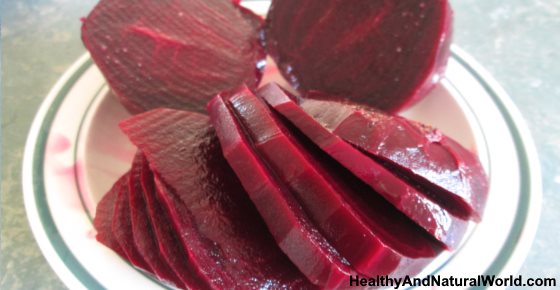
Fermented beets are particularly beneficial for your health because they contain probiotics, which are beneficial microorganisms. These probiotics help to maintain a balanced gut microbiome, thereby promoting overall health. One study highlighted that fermented beetroot is especially beneficial due to its ability to combat oxidative stress. Additionally, it contains Lactobacillus bacteria, which is essential for a healthy digestive system.
Probiotics have been shown in several studies to be effective in restoring the gut’s microbiota. According to the British Journal of Nutrition, probiotics not only support gut health by strengthening it against harmful bacteria, but they also positively influence the large intestine's health.
Many studies have indicated that the health of the gut and digestive system is intimately connected to the immune system. Probiotics stimulate the immune system and help inhibit the growth of bacterial infections.
This article will explore the scientific findings on the incredible ways beetroot can improve your health. Additionally, you'll find practical suggestions on how to incorporate more beets into your diet to enhance your health in various ways.
At the end, there’s a simple recipe for fermented beets, which come with a variety of health benefits.
Beets are packed with essential nutrients vital for maintaining a healthy body. For instance, beetroot contains vitamins A, C, and B-complex vitamins. Additionally, beets are a great source of calcium, iron, magnesium, potassium, and manganese, as well as fiber.
Not only are the roots of beets beneficial, but the tops, or greens, are also incredibly nutritious. Beet greens are loaded with fiber, minerals, and vitamins, making them one of the healthiest parts of the plant. According to NutritionalData.com, just 1/2 cup of raw beet greens provides nearly all of the recommended daily intake of vitamin K, which is crucial for healthy blood, strong bones, and preventing heart disease. Beet greens are also rich in vitamin A, vitamin C, vitamin B6, and important nutrients like potassium, manganese, and iron, all of which are vital for maintaining overall health.
The primary health benefits of beets come from betalains, the pigments that give them their deep, rich color. Research shows that betalains possess potent antioxidant and anti-inflammatory properties that can enhance your health in various ways.
Let’s explore the many ways beetroot can support your health and keep you feeling energized and vibrant.
The powerful antioxidants in beets play a key role in detoxifying the body and preventing disease. Beetroot contains compounds that support detoxification and bolster the immune system.
A study published in the journal Nutrients examined the antioxidant properties of beets and found that, in addition to betalains, beetroot contains many other antioxidants that help break down toxins in the body, making it easier to eliminate them. Research also revealed that beetroot extracts assist in removing free radicals from your cells.
Studies have also shown that juicing beetroot is one of the most potent antioxidant beverages among all vegetable and fruit juices.
To support your body in eliminating harmful toxins and preventing chronic diseases, include beets regularly in your diet as part of a healthy lifestyle.
Beets are also beneficial for lowering blood pressure naturally. This is because beets are rich in inorganic nitrates. When consumed, these nitrates are converted into nitric oxide, which improves blood circulation, benefiting the cardiovascular system and helping to reduce blood pressure.
A study published in the Nutrition Journal demonstrated that adding beetroot to your regular diet could lower blood pressure and reduce the risk of heart-related health issues. The study’s participants saw significant reductions in their blood pressure levels just six hours after drinking beetroot juice.
Beets, along with beet greens, can help lower cholesterol naturally, which prevents the health complications associated with high cholesterol. The antioxidants, flavonoids, and folic acid found in beets contribute to reducing levels of low-density lipoprotein (LDL, also known as “bad cholesterol”).
The journal Nutrition Research and Practice published findings from clinical trials where red beet leaf extracts helped reduce dangerous levels of LDL cholesterol in mice. The study also discovered that beet greens had a beneficial impact on weight loss by reducing body fat.
If you're looking for a healthy snack, replace your usual potato chips with beetroot crisps to lower cholesterol. A study in the Lipids in Health and Disease journal found that beet chips reduced levels of LDL cholesterol and positively affected blood glucose levels.
Regular consumption of beets can help maintain good health due to their anti-inflammatory properties, which help prevent a range of diseases. Doctors warn that unresolved inflammation in the body can lead to chronic inflammatory conditions.
The journal Nutrients highlighted the anti-inflammatory compounds in beets that help reduce inflammation throughout the body. Some studies have even shown that beetroot extract produces similar effects to non-steroidal anti-inflammatory drugs (NSAIDs).
Consuming beetroot regularly can help prevent various forms of heart disease and reduce the risk of strokes. Beets are a rich source of folate (vitamin B9), which has therapeutic benefits for heart health. Additionally, betaine found in beets helps support a healthy heart.
A study into betaine supplements found that they can lower levels of homocysteine, a substance linked to an increased risk of cardiovascular diseases, including heart attacks and strokes.
Further studies show that betaine in beets can alleviate angina pain, ease shortness of breath, lower blood pressure, and improve overall cardiovascular health.
Both whole beets and beet juice can enhance athletic performance by boosting stamina and energy levels. The body converts nitrates into energy, and consuming beets in vegetable form is a safe and effective way to harness this energy.
One study published in the Journal of the Academy of Nutrition and Dietetics found that consuming baked beetroot helped runners increase their speed and endurance. The researchers concluded that beetroot enhances running performance in healthy adults.
Other studies have shown that drinking beetroot juice before exercise increases blood oxygen levels, reduces blood pressure, and improves physiological responses to exercise.
Beets are also beneficial for cleansing the liver and kidneys. The betaine found in beets helps detoxify these organs, keeping them functioning well and healthy.
The American Journal of Clinical Nutrition reported that beetroot extracts help prevent fat buildup in the liver and reduce oxidative stress. Other research has shown that beets can help prevent kidney damage by removing free radicals that contribute to kidney disease.
The nitrate content in beets can enhance brain function and memory. Nitrate increases blood flow to the brain, which can improve cognitive performance.
Research has shown that increasing beet intake in the diet can help improve memory and cognitive tasks in older adults. The study found that beets stimulate blood flow to the brain areas most in need.
When combined with SAMe (S-adenosyl-methionine), beets can also help balance dopamine levels in the brain, which may reduce symptoms of depression.
The antioxidant properties of beets also help prevent Parkinson’s disease by increasing dopamine levels.
Beets also play a role in preventing dementia. As mentioned earlier, beets increase blood flow to the brain, which improves cognitive function.
A study conducted by Wake Forest University found that drinking beetroot juice for four days increased blood flow to the brain areas linked with dementia and cognitive decline, suggesting beets may help slow down the progression of these conditions.
Emerging research shows that beet extracts may have anti-cancer effects and could help prevent certain cancers from developing. Researchers have concluded that eating beetroot is a useful way to reduce the risk of cancer.
One of the most noticeable side effects of eating beets is that they can turn your urine and stool pink or red, a condition known as beeturia. This is typically harmless and should not cause concern.
Doctors from the NHS in the UK warn that some foods, including beets, can interfere with calcium absorption, potentially leading to kidney stones due to calcium buildup in the kidneys.
Eating beets regularly could also contribute to yellowing of the teeth.
Beets can be stored through the winter if kept in a cool, dark, and slightly humid place. Avoid storing them in warm, dry locations, as this will cause them to sprout and shrivel.
You can also freeze beets by cooking them until tender, then chopping or slicing and storing them in the freezer.
The World’s Healthiest Foods suggests that beets lose some of their health benefits if cooked for too long. They recommend cutting medium-sized beets into quarters, leaving the skin on, and steaming them for 15 minutes. Roasting beets for up to one hour is also an option.
Alternatively, you can make a delicious Russian soup called borscht, which combines beets, onions, red cabbage, and parsley in a flavorful broth, allowing you to enjoy all of the health benefits of beets in one tasty meal.
Boost the anti-inflammatory power of beets by creating a beet and ginger juice. Ginger is also known for its anti-inflammatory properties and supports digestive health. This juice can be especially helpful for easing the symptoms of osteoarthritis and rheumatoid arthritis.
As mentioned earlier, beets contain a high amount of phytonutrients like betanin, isobetanin, and vulgaxanthin, which work as anti-inflammatory agents. These betalains are the red and yellow pigments that give beets their vibrant color.
In addition to betalains, beets are a source of betaine, which comes from choline, a B-complex vitamin. Choline helps regulate inflammation and reduces certain non-inflammatory markers, some of which are connected to cancer.
Ginger, which contains gingerols, is particularly effective for relieving muscle and arthritis-related pain. Gingerols are chemically similar to capsaicin and piperine, which give chili peppers and black pepper their spicy heat and healing properties. Ginger is also excellent for gastrointestinal issues, nausea, and respiratory problems.
Ingredients:
3 kale leaves
1 medium orange, peeled and cut
1 medium apple, cored and cut into wedges
1 carrot, peeled and cut
1 medium beet, peeled and cut into wedges
1-inch piece of fresh ginger, peeled
Directions:
Wash the produce and peel if necessary.
Process the ingredients through a juicer in manageable pieces, starting with the orange and continuing with kale, apple, carrot, beet, and ginger.
Pour into glasses and serve immediately to enjoy the maximum nutritional benefits.
Ingredients:
2 washed, quartered, and sliced beets
3 Tbsp salt
Water as needed
Instructions:
Add the beets to a quart jar.
Mix the salt with 2 cups of water and pour it over the beets, leaving 1-2 inches of space at the top.
Cover the jar with a lid and an airlock, if available. If not, open the jar slightly every day to release trapped gases.
Allow to ferment at room temperature for 3-12 days, based on your taste preference. Longer fermentation is usually better for tougher vegetables.
Store in the refrigerator.
Enjoy the tangy, health-boosting benefits of fermented beets!