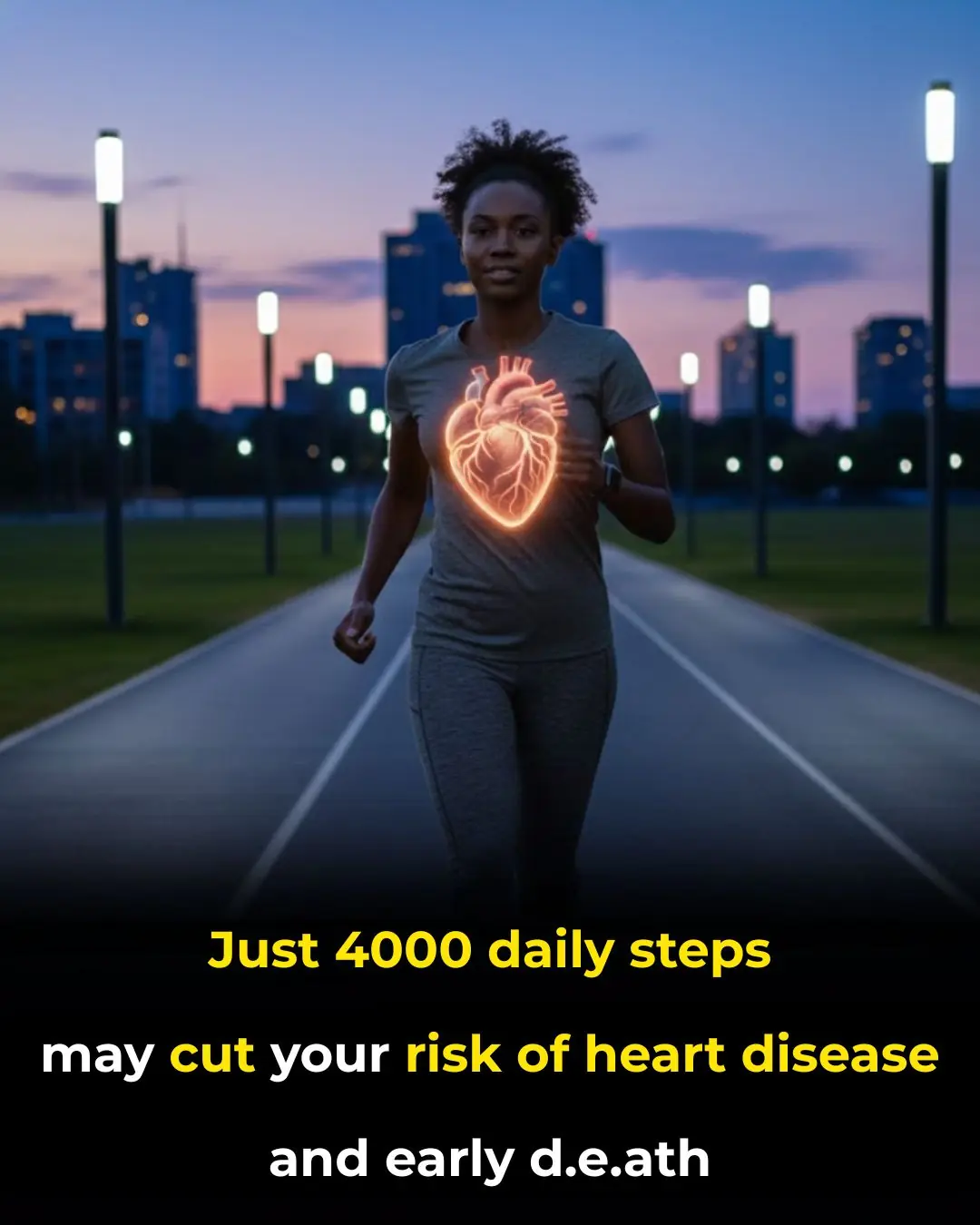
You Don’t Need 10,000 Steps: How Just 4,000 Steps a Few Days a Week Can Significantly Boost Health and Longevity
Facts 15/12/2025 16:56
The calf muscles, mainly the gastrocnemius and soleus, are commonly referred to as the body’s “second heart” because of their essential role in supporting blood circulation. More specifically, they help return venous blood from the lower legs back to the heart, working alongside the cardiovascular system to maintain healthy blood flow.
The heart’s primary function is to pump oxygen-rich blood through the arteries to supply the body. However, once oxygen has been delivered to tissues in the legs, the oxygen-depleted blood must travel upward through the veins to return to the heart. This process is challenging because it must occur against gravity, especially when a person is standing or sitting upright for long periods.
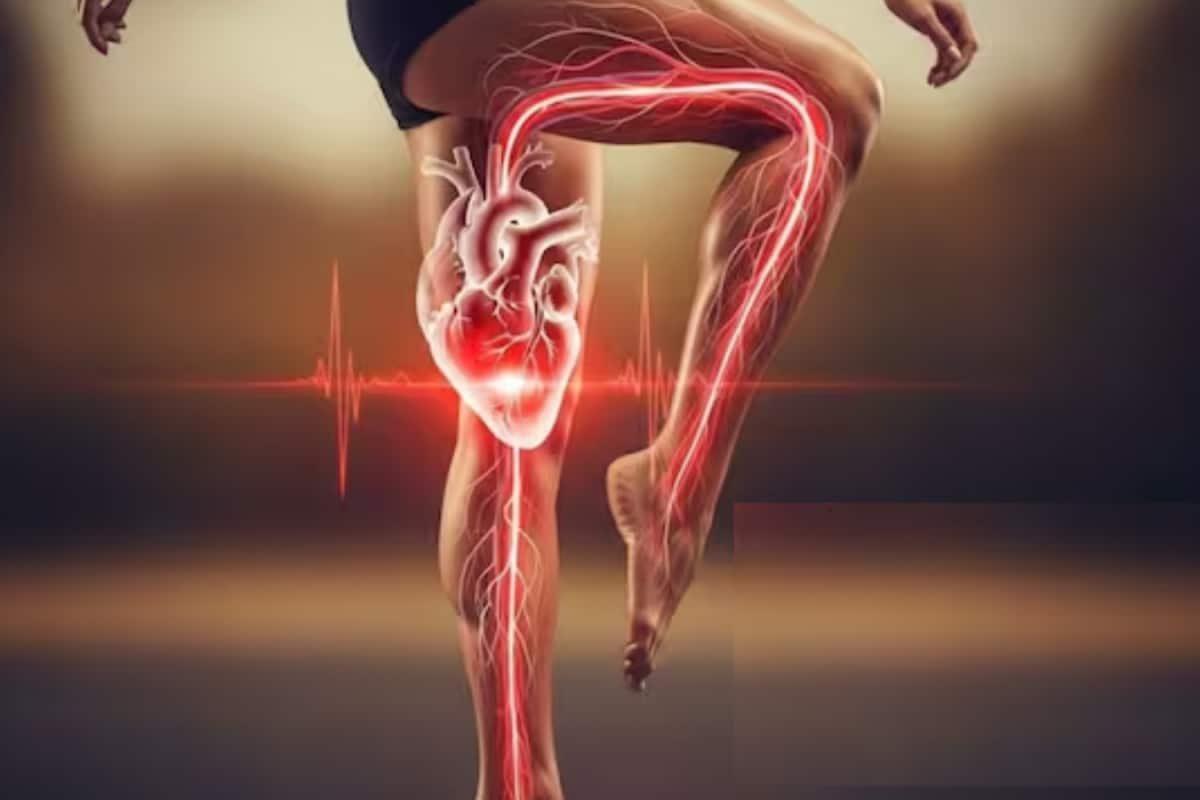
This is where the calf muscle pump mechanism becomes critically important. Each time the calf muscles contract—during walking, running, climbing stairs, or even small ankle movements—they compress the deep veins within the lower legs. This compression acts like a natural pump, pushing blood upward toward the heart.
The veins in the legs are equipped with one-way valves that prevent blood from flowing backward. When the calf muscles relax, these valves close, stopping blood from falling back down. When the muscles contract again, blood is pushed higher. This coordinated system ensures efficient venous return and continuous circulation.
A strong and active calf muscle pump provides multiple health benefits. First, it reduces the workload on the main heart by assisting venous circulation. Second, it helps prevent blood from pooling in the lower legs, which is a major cause of varicose veins, leg swelling (edema), and feelings of heaviness or fatigue in the legs.
Research has shown that poor calf muscle function is associated with reduced circulation efficiency and a higher risk of deep vein thrombosis (DVT), a serious condition caused by blood clots forming in the deep veins of the legs. In contrast, regular activation of the calf muscles improves venous return and overall cardiovascular performance.
Health specialists strongly recommend frequent movement to keep the calf muscles active. Simple activities such as walking, calf raises, ankle flexion exercises, and avoiding prolonged sitting or standing can significantly improve circulation. These movements effectively “activate” the second heart, helping the body maintain healthy blood flow throughout the day.
For individuals with sedentary lifestyles, desk jobs, or long travel routines, engaging the calf muscles regularly is especially important for long-term vascular and heart health.
While the calf muscles are not a literal heart, their pumping action plays a vital supportive role in circulation. Calling them the “second heart” is a scientifically grounded metaphor that highlights their importance in reducing cardiovascular strain and maintaining healthy veins. Keeping the calf muscles strong and active is a simple yet powerful way to support overall heart health.
Mayo Clinic – Varicose veins and venous circulation
https://www.mayoclinic.org
National Institutes of Health (NIH) – Venous return and muscle pump physiology
https://www.ncbi.nlm.nih.gov
American Heart Association – Blood flow, circulation, and physical activity
https://www.heart.org
Cleveland Clinic – Calf muscle pump and venous disease prevention
https://my.clevelandclinic.org