
Lab-Grown Teeth Breakthrough Offers Hope for Patients
Facts 29/04/2026 22:48
A volcano that had remained silent for thousands of years has erupted for the first time in recorded history, sending ash high into the atmosphere and drawing the attention of scientists, aviation authorities, and nearby communities alike.
The Hayli Gubbi volcano, located in Ethiopia’s northern Afar Region near the Eritrean border, erupted early Sunday morning local time. According to Volcano Discovery, a global volcanic monitoring platform, this marks the first confirmed eruption of Hayli Gubbi in at least 12,000 years, making the event unprecedented in modern human records (Volcano Discovery).
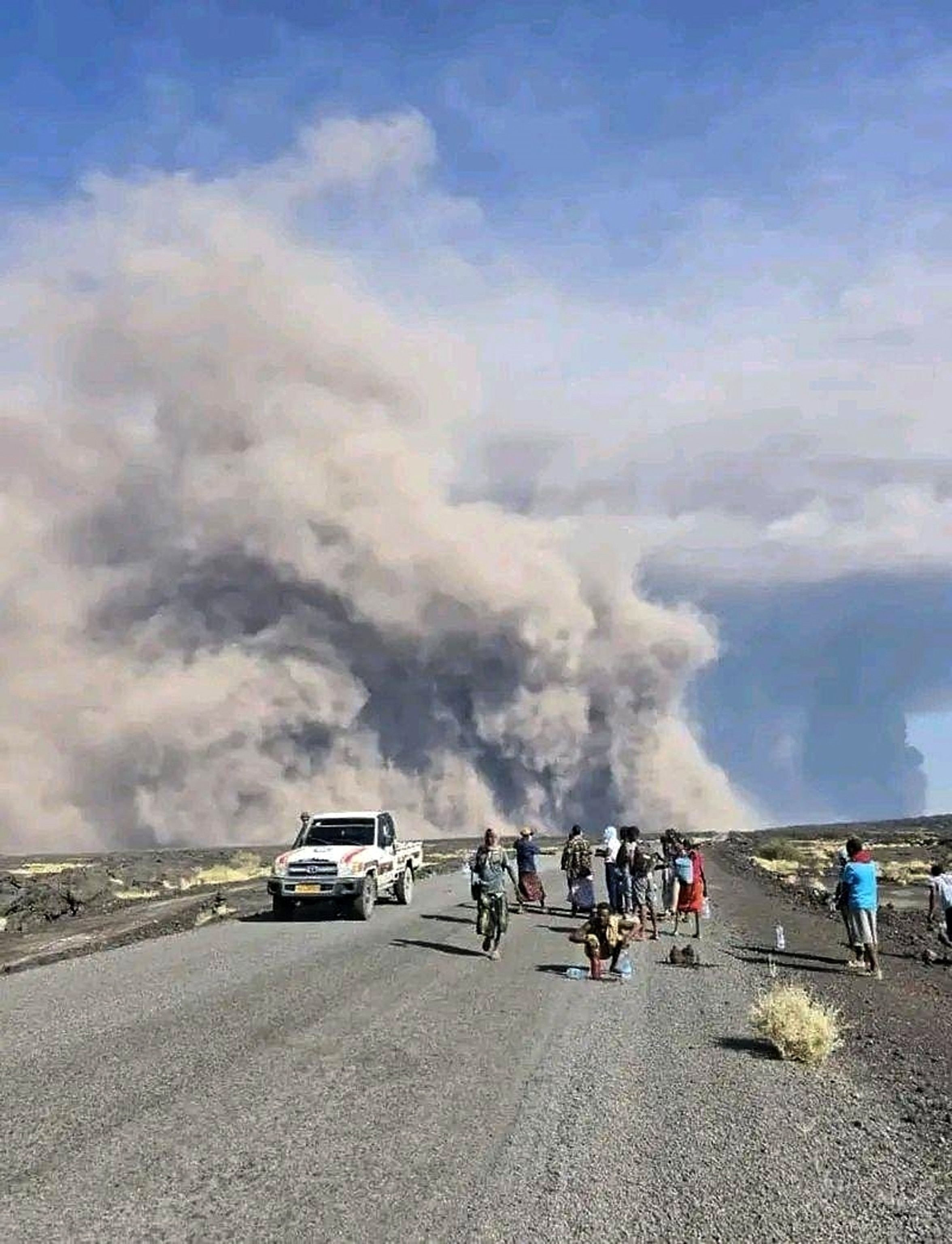
The eruption produced towering plumes of ash and smoke that spread rapidly across northern Ethiopia and drifted over the Red Sea toward the Arabian Peninsula. Satellite imagery from NASA and NOAA captured a dense ash cloud expanding over the region, highlighting the scale of the eruption and its potential to disrupt both air travel and local environments (NASA, NOAA).
The Volcanic Ash Advisory Center (VAAC) in Toulouse, France, reported that ash reached altitudes of approximately 49,000 feet. Such heights pose a serious risk to aircraft engines, prompting aviation advisories for planes operating across northeastern Africa, the Middle East, and parts of South Asia (VAAC Toulouse).
Air traffic authorities as far away as India reportedly prepared for possible flight delays and rerouting as the ash cloud continued to drift eastward (The Associated Press).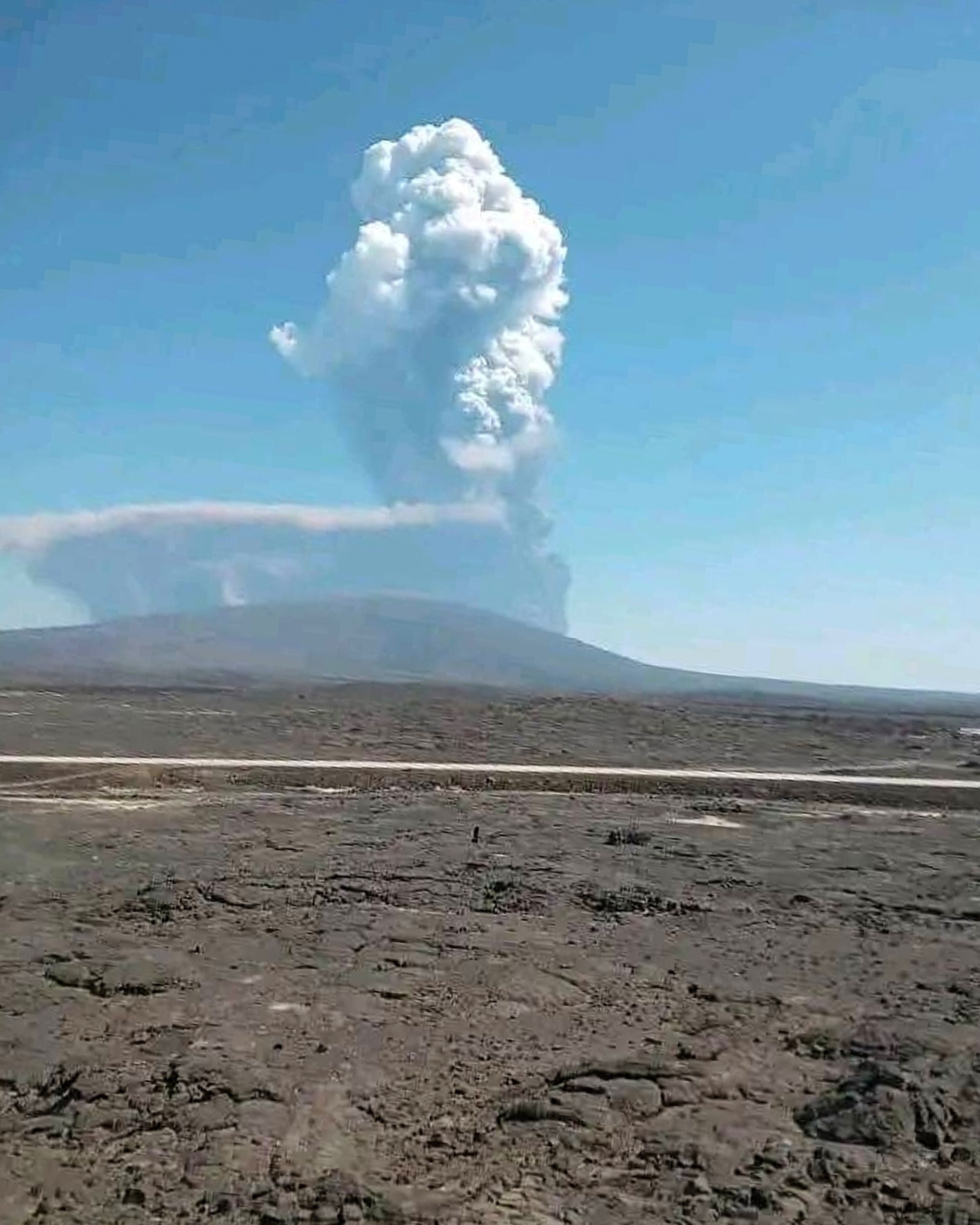
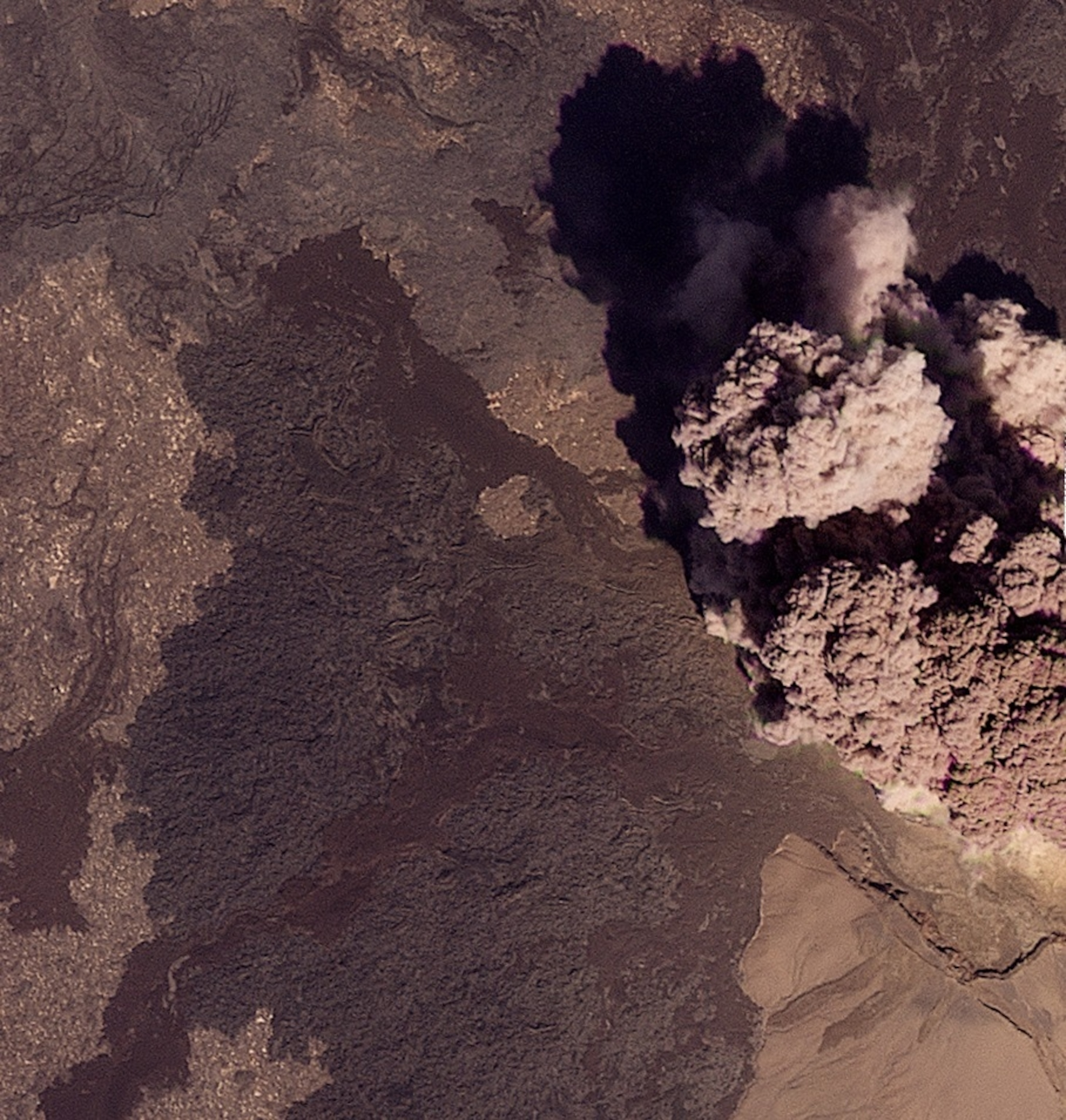
In addition to ash, large quantities of sulfur dioxide were released into the atmosphere. Sulfur dioxide can contribute to air quality deterioration and, under certain conditions, influence regional weather patterns and climate effects. Scientists continue to monitor the gas emissions to assess longer-term environmental consequences (Smithsonian Institution Global Volcanism Program).
While no casualties have been reported, local officials told The Associated Press that the eruption has significantly affected nearby communities. Many villages populated by livestock herders were blanketed in volcanic ash, severely limiting grazing land for animals and threatening the livelihoods of families who depend on pastoralism for survival (The Associated Press).
Hayli Gubbi is a broad, dome-shaped volcano with gentle slopes, rising to more than 1,700 feet above the surrounding landscape. It features a symmetrical scoria cone and a crater roughly 650 feet wide. The volcano is part of the Erta Ale volcanic range within Ethiopia’s Danakil Depression, one of the most geologically active regions on Earth (Smithsonian Institution).
This area sits at the intersection of three tectonic plates—the African, Arabian, and Somali plates—which are slowly pulling apart. The Erta Ale range is known for its persistent lava lakes and shield volcanoes, making it a key site for studying continental rifting and volcanic processes (U.S. Geological Survey).
Previously, Hayli Gubbi’s eruption history was listed as “unknown” by the Smithsonian Institution. However, geologic evidence suggests its last eruption occurred more than 12,000 years ago, long before written records or modern observation methods existed.
The volcano continued erupting into Monday evening local time before activity appeared to subside, according to updates from the Volcanic Ash Advisory Center. Scientists caution that even after visible eruptions stop, volcanic systems can remain unstable, and further activity cannot be ruled out (VAAC Toulouse).
Researchers and authorities are now closely monitoring the region using satellite data, seismic readings, and atmospheric measurements to track any renewed activity and assess risks to both local populations and international air traffic.
The awakening of Hayli Gubbi is a stark reminder that Earth’s most ancient geological systems are still active. An eruption after 12,000 years underscores how volcanic hazards can emerge unexpectedly, even in areas without recorded historical activity.
For scientists, this event provides a rare opportunity to study a first-time eruption in a well-monitored era. For nearby communities, it highlights the ongoing vulnerability of people living in tectonically active regions. And for the rest of the world, it serves as a powerful illustration of how interconnected natural events can affect air travel, climate, and livelihoods across continents.