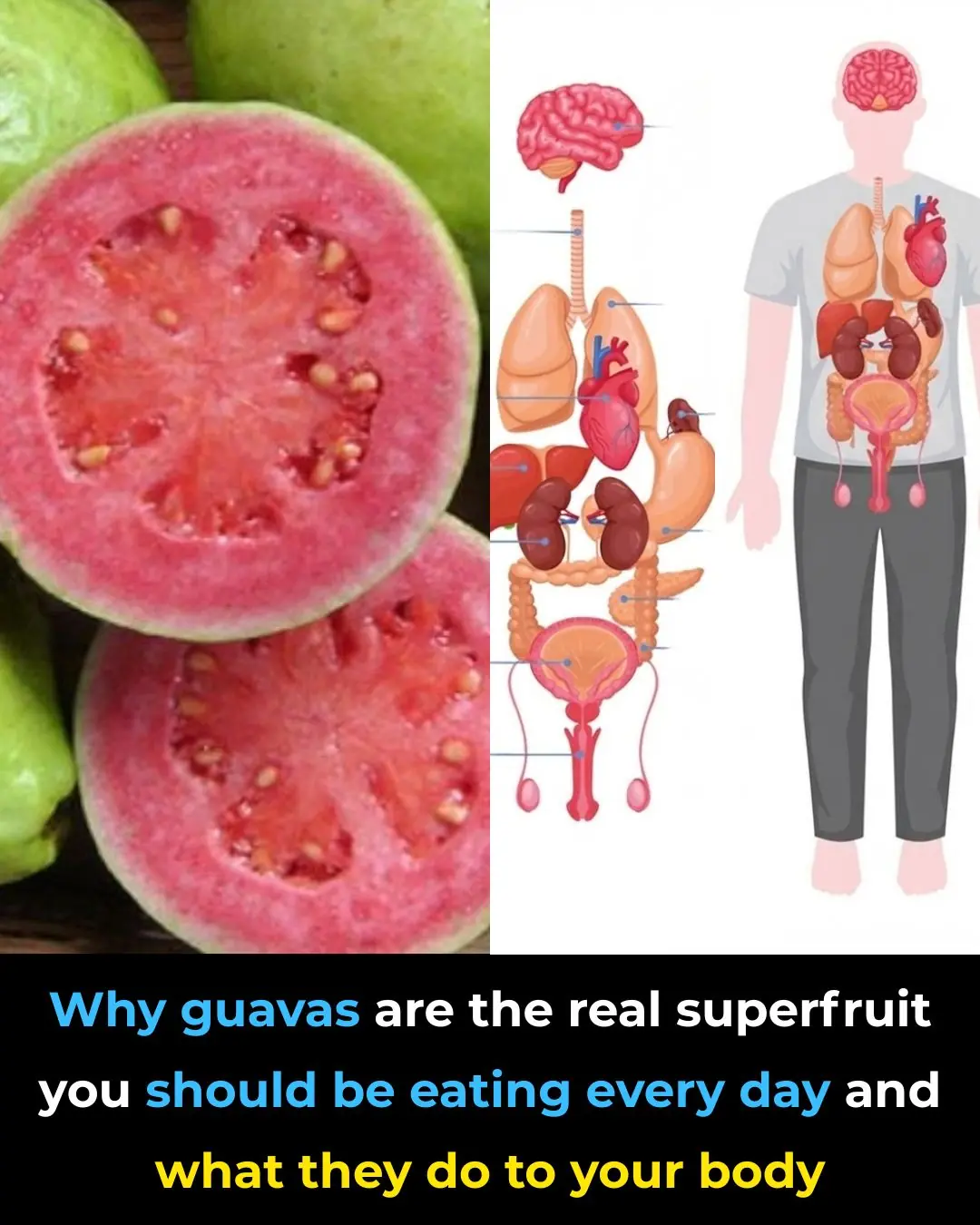
The Impressive Health Benefits of Guava Fruit and Leaves & How to Eat Guava (Evidence Based)
Health 08/01/2026 21:15
Today, we’ll explore five powerful drinks that can naturally improve poor circulation, reduce leg pain, and support healthier veins. If you struggle with heavy or aching legs, varicose veins, high blood pressure, or have a history of heart or blood vessel problems, this guide may be especially helpful for you.
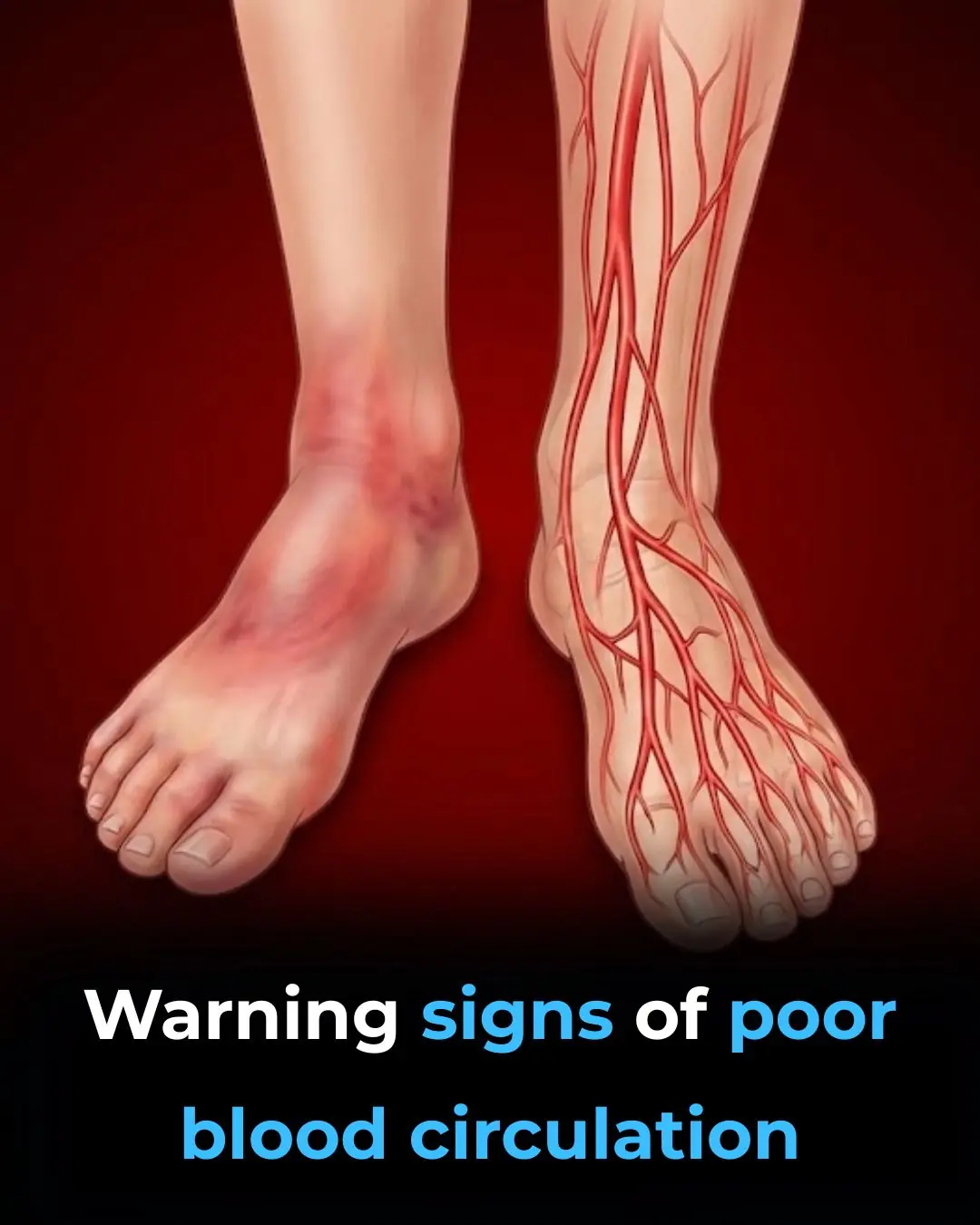
Poor circulation often shows up as leg fatigue, cramping, swelling, or pain after walking short distances. The good news is that there are simple, affordable, and effective drinks you can include in your daily routine to help improve blood flow and vascular health. Let’s dive into the top five.

Beet juice is one of the most effective natural drinks for improving circulation, leg pain, and vein health. This deep red beverage is rich in natural nitrates, which the body converts into nitric oxide—a compound that relaxes and widens blood vessels.
When you drink beet juice, oral bacteria convert nitrates into nitrites, which are then transformed into nitric oxide in the stomach and bloodstream. This process allows blood vessels to expand, improving blood flow and delivering more oxygen and nutrients to the legs and muscles.
Recommended intake:
8–16 ounces (240–470 ml) per day.
Beet juice is easy to prepare at home. Simply blend raw beets with a small amount of water and strain if desired. Regular consumption may help lower blood pressure, improve endurance, and reduce leg fatigue.
Precautions:
Because beet juice lowers blood pressure, people with naturally low blood pressure or those on blood pressure medications should use caution and consult a healthcare professional. Mild side effects may include bloating or gas. Diabetics should monitor blood sugar levels, as responses can vary from person to person.
Hibiscus tea is known for its bright red color and slightly tart taste, but it also offers impressive circulation benefits. It contains powerful flavonoids, including quercetin, which act as antioxidants and anti-inflammatory agents.
Quercetin helps relax blood vessels and reduce arterial stiffness, improving blood flow and lowering blood pressure. Research has shown that hibiscus tea may reduce both systolic and diastolic blood pressure, especially in individuals with hypertension.
Recommended intake:
1–2 cups per day.
To prepare, steep dried hibiscus petals in hot water for 5–10 minutes until the tea turns a deep red color.
Precautions:
Hibiscus tea may interact with blood pressure and diabetes medications. Because it has mild diuretic properties, excessive intake may cause dehydration or electrolyte imbalance. Some individuals may experience mild stomach discomfort. It’s best consumed earlier in the day to avoid nighttime bathroom trips.

Lemon balm tea is a soothing herbal drink that supports circulation while calming the nervous system. It contains flavonoids and rosmarinic acid, which help dilate blood vessels, reduce inflammation, and protect blood vessels from oxidative damage.
Improved circulation combined with reduced stress makes lemon balm particularly helpful for individuals whose circulation issues worsen during anxiety or tension.
Preparation:
Use 1 teaspoon of dried leaves or 2 tablespoons of fresh leaves per cup of boiling water. Steep for 5–10 minutes.
Recommended intake:
1–3 cups daily.
Honey or lemon can be added for flavor and additional benefits.
Precautions:
Lemon balm may enhance the effects of sedatives or medications that cause drowsiness. Pregnant women should consume it in moderation. Rare side effects include mild skin reactions. Always consult a healthcare provider if you take prescription medications.
Garlic tea is a powerful natural remedy for improving circulation and heart health. Garlic contains allicin and other sulfur compounds that help prevent blood clots, lower blood pressure, and improve arterial flexibility.
Garlic reduces platelet aggregation, which helps prevent clots and supports smoother blood flow. It also slows plaque buildup in arteries, reducing the risk of atherosclerosis and improving long-term vascular health.
Recommended intake:
About 2 grams of garlic per day.
To make garlic tea, crush fresh garlic cloves, add them to hot water, and let steep for several minutes before drinking.
Precautions:
Garlic can interact with blood-thinning medications such as warfarin. Excessive intake may cause stomach irritation or heartburn. A noticeable garlic odor is also a common side effect.
Horsetail tea is a lesser-known but highly effective herbal tea for circulation and vein strength. It is rich in flavonoids, antioxidants, and silica, a mineral essential for collagen production.
Silica helps strengthen blood vessel walls, improve elasticity, and support vein health—making horsetail tea especially beneficial for people with varicose veins or weak connective tissue.
Recommended intake:
1–4 grams per day.
Steep dried horsetail in boiling water for several minutes before drinking.
Precautions:
Pregnant and breastfeeding women should avoid horsetail tea. Due to its diuretic effect, it may interact with medications that increase urination. Possible side effects include digestive irritation or allergic reactions in sensitive individuals.
While these five drinks can significantly support circulation and blood flow, they are not magic solutions on their own. Poor circulation usually develops over many years due to unhealthy habits such as poor diet, physical inactivity, excess weight, smoking, and chronic stress.