The Impressive Health Benefits of Guava Fruit and Leaves & How to Eat Guava (Evidence Based)
Health 08/01/2026 21:15

Smoking is widely recognized as the leading cause of lung cancer. However, an increasing number of people who have never smoked are being diagnosed with this disease. This alarming trend raises an important question: what is silently threatening the lungs of non-smokers?
When lung cancer is mentioned, most people immediately think of cigarettes. Indeed, smoking remains the primary risk factor, accounting for more than 70% of lung cancer cases worldwide. Yet in recent years, clinicians have observed a surprising phenomenon: a growing proportion of lung cancer patients report no history of smoking at all.
Epidemiological data show that in China, more than half of lung cancer patients are women who have never smoked. In some cities, the incidence of lung cancer among non-smoking women continues to rise. This has prompted researchers to look beyond tobacco for other causes.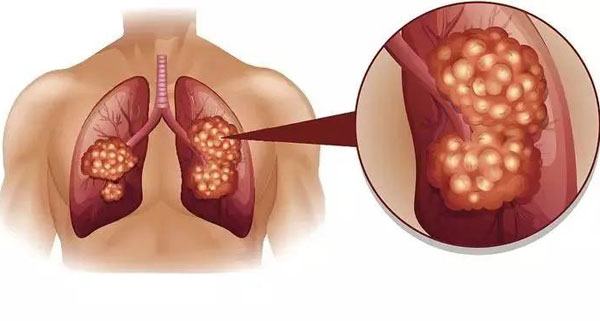
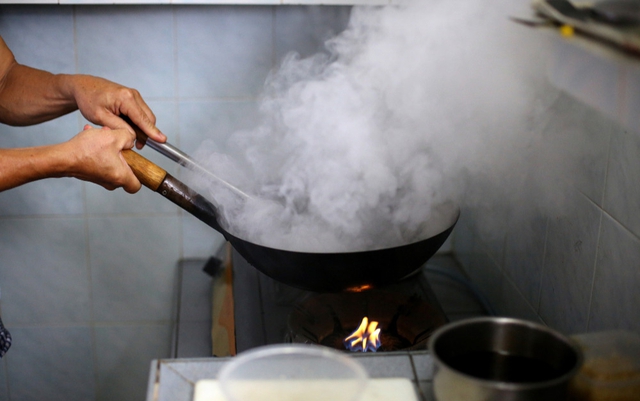
Many people who cook regularly may not realize that everyday kitchen fumes can be nearly as harmful as cigarette smoke. When cooking oil is heated to high temperatures, the fatty acids break down and release hundreds of toxic substances into the air, including:
Polycyclic aromatic hydrocarbons (PAHs), which are potent carcinogens capable of causing genetic mutations after long-term inhalation.
Benzo[a]pyrene, classified by the International Agency for Research on Cancer (IARC) as a Group 1 carcinogen.
Aldehydes, which irritate the respiratory tract and increase the risk of asthma and chronic bronchitis.
Studies have shown that people who are frequently exposed to cooking fumes have a two- to three-fold higher risk of developing lung cancer compared with the general population. This helps explain why many non-smoking women still develop lung cancer.
From a biological perspective, particles in cooking fumes are extremely small and can penetrate deep into the lungs, reaching the alveoli. Prolonged exposure leads to chronic inflammation, which significantly increases the likelihood of cancerous cell transformation.
In addition to cooking fumes, several hidden factors can increase lung cancer risk among non-smokers:
Secondhand smoke exposure: Long-term exposure to cigarette smoke from others can increase lung cancer risk by 20–30%.
Indoor air pollution: Burning coal or wood for heating, as well as poor-quality building or decorative materials, can release harmful substances such as formaldehyde.
Occupational exposure: Contact with asbestos, industrial dust, or radiation is strongly associated with lung cancer.
Genetic susceptibility: Some individuals are born with weaker DNA repair mechanisms, making them more vulnerable to carcinogens.
Chronic inflammation: Conditions such as chronic bronchitis or a history of tuberculosis can cause localized tissue changes that may evolve into cancer.
These factors show that even people who do not smoke cannot afford to be complacent.
Since kitchen fumes are a major risk factor, several practical steps can help reduce their harmful effects:
Use a range hood consistently: Turn it on before cooking and keep it running for several minutes after finishing. Choose a high-power range hood and clean or replace filters regularly.
Control cooking oil temperature: When oil starts to smoke, the temperature often exceeds 200°C, producing large amounts of carcinogens. Ideally, oil temperature should be kept between 150–180°C, and prolonged high-heat stir-frying should be avoided.
Reduce frying and oily cooking methods: Opt for steaming, boiling, stewing, or salads instead of frequent frying. These methods help reduce free radical formation and DNA damage.
Early-stage lung cancer often has no obvious symptoms. By the time signs such as persistent cough, chest pain, or coughing up blood appear, the disease is usually at an advanced stage. People at high risk—such as those who cook frequently, are exposed to kitchen fumes, or have a family history of lung cancer despite not smoking—should consider annual low-dose CT scans. When detected early, minimally invasive surgery can achieve cure rates of over 90%.