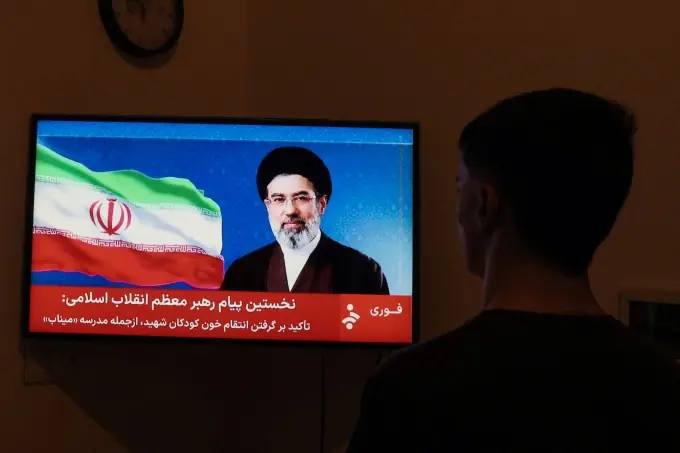
Iranian leader warns US and Israel of 'bitter defeat'
News 19/04/2026 18:07
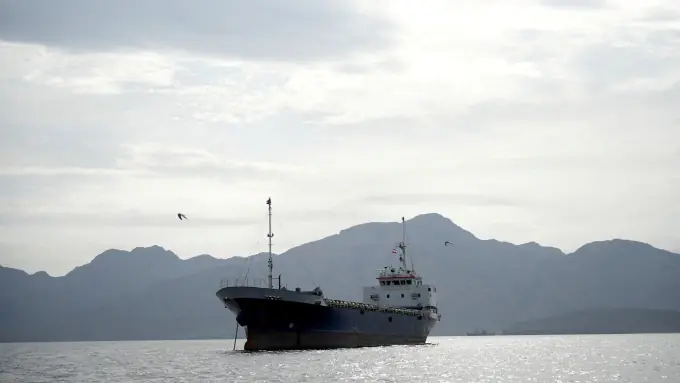
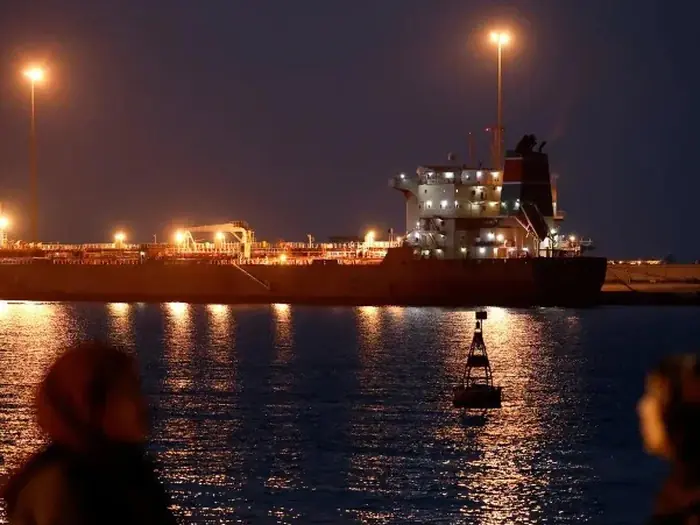
A US destroyer used its 127mm naval gun to neutralize an Iranian-flagged cargo ship attempting to break through a blockade.
"The Iranian-flagged cargo ship Touska attempted to break through a US Navy blockade today, but was unsuccessful. The destroyer USS Spruance pursued the Touska and ordered it to stop, but the Iranian crew refused to comply, so the US warship fired into the engine room of the vessel," US President Donald Trump said in a post on the social media platform Truth Social on April 19.
The Central Command (CENTCOM), the US military's operations agency, later released video of the destroyer USS Spruance moving alongside the Touska. A US communications officer said via radio, "Touska, leave engine room, we are preparing to fire," before the USS Spruance fired at least three 127mm rounds at the target.
The destroyer USS Spruance fired artillery at the Iranian merchant ship Touska at sea on April 19. Video: CENTCOM
"The destroyer USS Spruance approached the Touska while the vessel was traveling at 31 km/h toward the port of Bandar Abbas. US forces issued multiple warnings that the Iranian-flagged cargo ship was violating the blockade. The crew disregarded the warnings for six hours," CENTCOM announced.
Soldiers from the US 31st Marine Expeditionary Unit landed and took control of the ship.
The Khatam al-Anbiya Central Command, the "supreme headquarters" of the Iranian armed forces, confirmed the incident. "The US violated the ceasefire and committed acts of piracy against an Iranian commercial vessel in the Gulf of Oman. The Iranian armed forces will soon retaliate against the actions of the US military," the command stated.
Data from the maritime tracking website Marine Traffic shows that about six hours before Trump's announcement, the Touska was approximately 45 km from the city of Chabahar in southern Iran. Tanker Tracker indicates that the Touska departed from Malaysia.
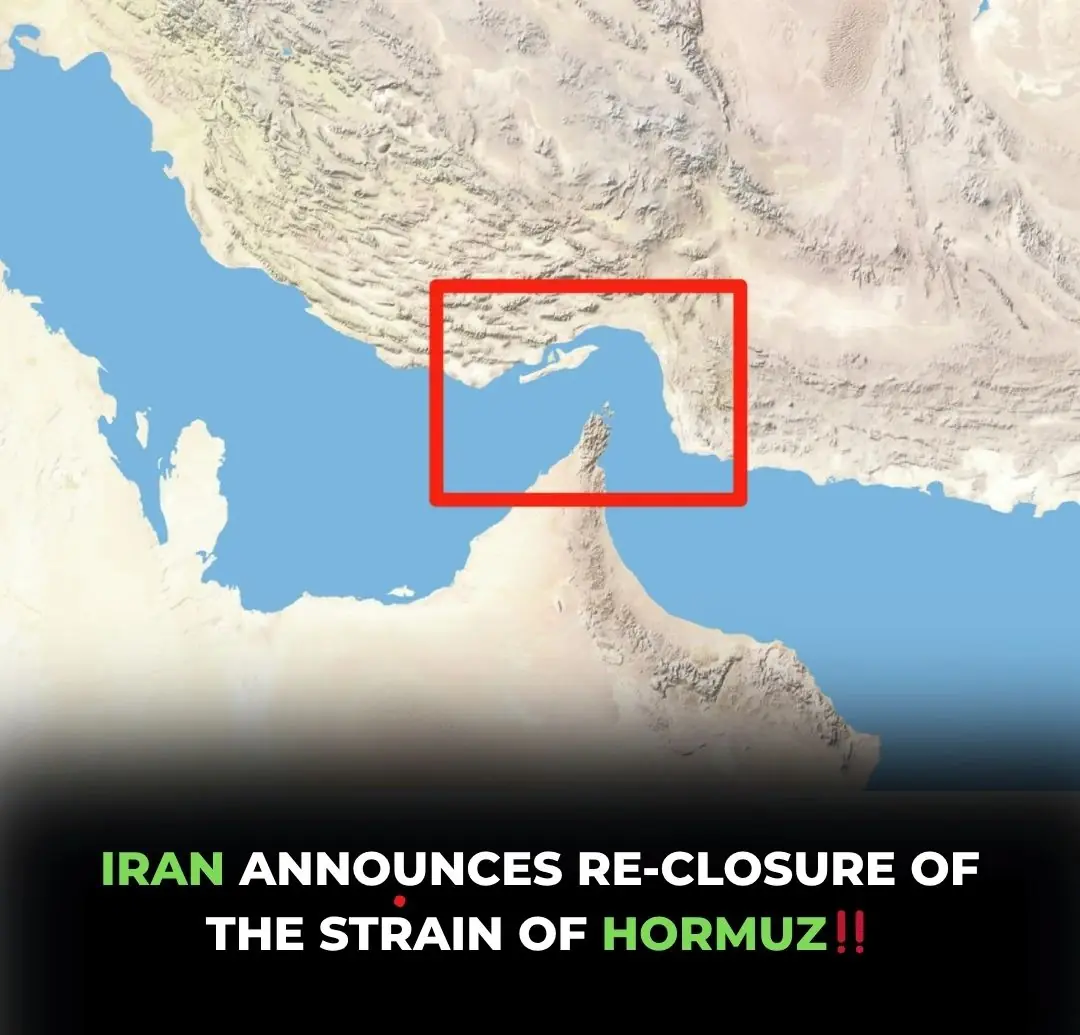
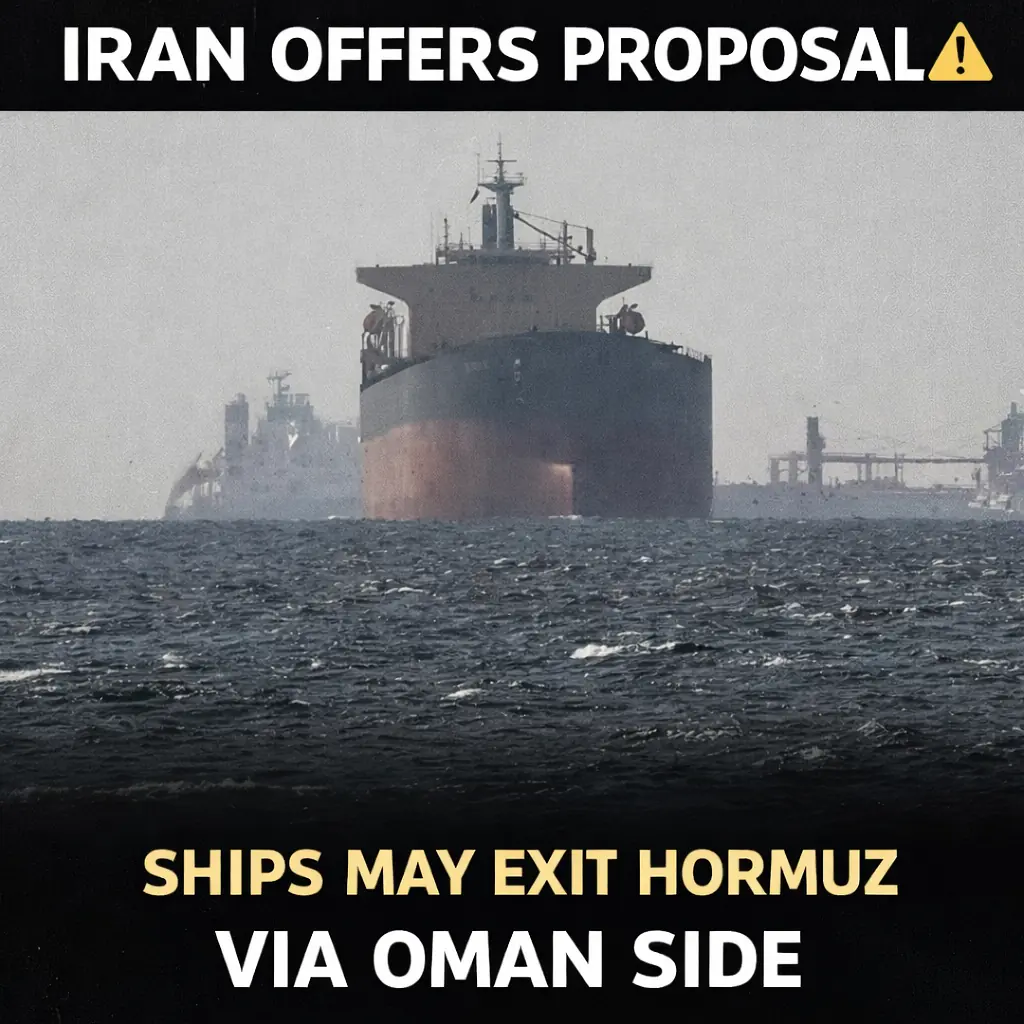
The incident occurred amid escalating tensions in the Strait of Hormuz, a vital shipping lane for the world's oil and gas supplies. The area has been almost completely closed off since the US and Israel launched their campaign against Iran on February 28th.

The Strait of Hormuz and the Gulf. Graphic: Guardian
The US military began efforts on April 13 to block ships from entering and leaving Iranian ports, after talks in Pakistan two days earlier ended without results and Iran refused to reopen the crucial sea lane.
On April 17, Iran announced the reopening of the Strait of Hormuz to welcome the ceasefire between Israel and Lebanon, but resumed the blockade just one day later in retaliation for the US-led operation to block ports.
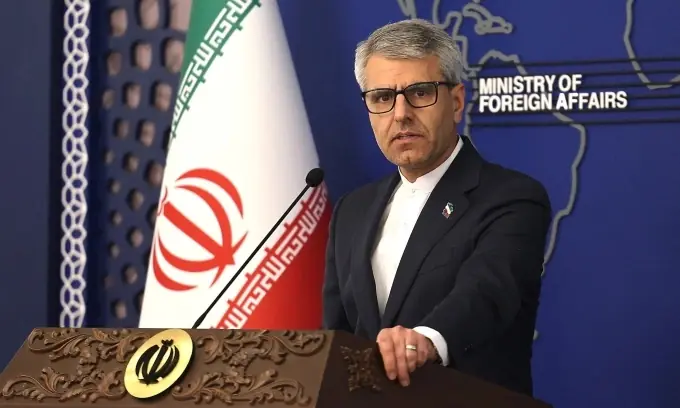
Iranian Foreign Ministry spokesman Esmaeil Baqaei declared that the US blockade of Iranian ports and coastlines not only violated the ceasefire brokered by Pakistan, but was also "an illegal, criminal act and a collective punishment of the people."