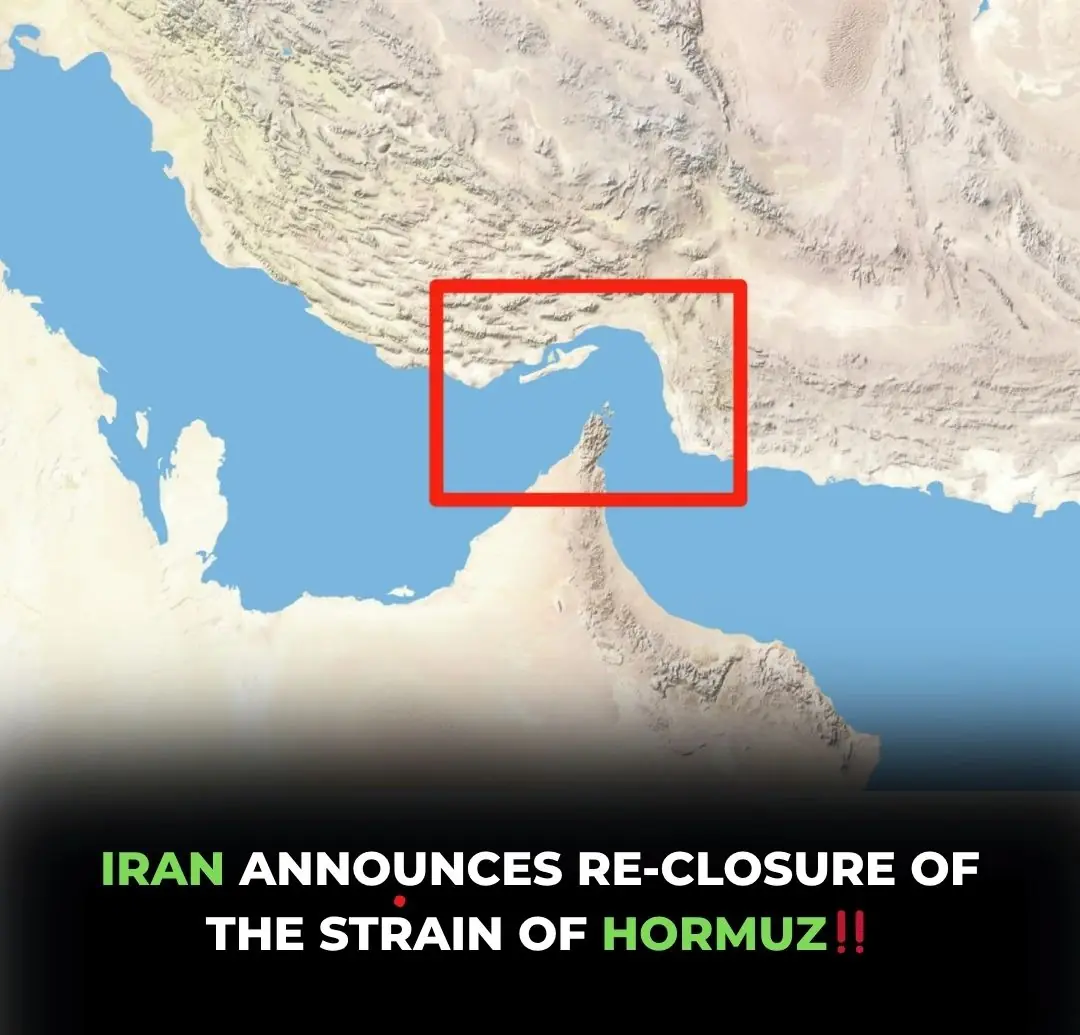
BREAKING: Iran Threatens to Close Strait of Hormuz - Global Oil Shock Looming?... Read more
News 18/04/2026 16:33
Many cargo ships were not ready to pass through the Strait of Hormuz after Iran opened it, apparently due to concerns about mines and a lack of safety instructions.
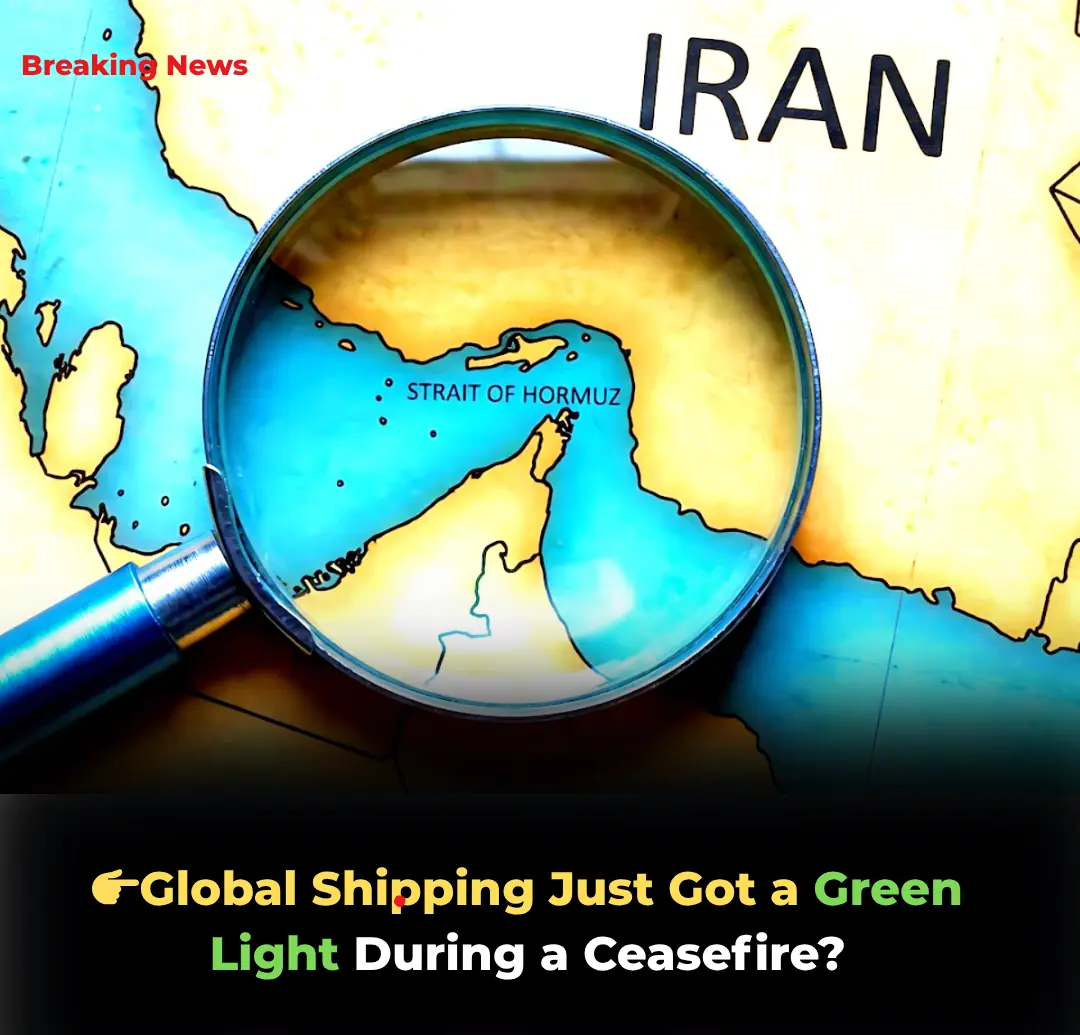
Data from the civilian maritime tracking site Marine Traffic shows that about 20 cargo ships began moving toward the Strait of Hormuz on the evening of April 17, after Iran announced the opening of the waterway. This was the largest group of ships attempting to pass through the area since Iran nearly closed the strait in response to the US-Israeli offensive in late February.
However, the ships quickly stopped, some even turning back for unclear reasons. Among them were three container ships operated by the French shipping group CMA CGM, although the company declined to comment.
By early this morning, most of the ships had turned back.

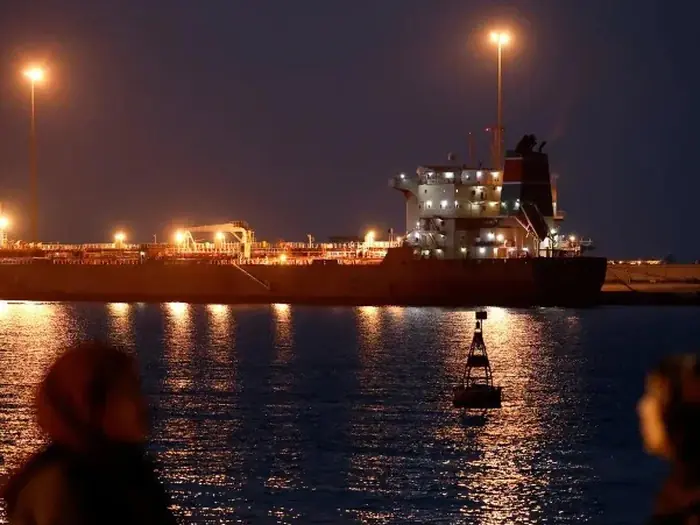
Satellite imagery shows ships near Dubai in the Persian Gulf on April 17. Photo: Reuters
Subsequent tracking data showed several new vessels, mostly oil tankers, continuing toward the Strait of Hormuz.
Nils Haupt, spokesman for the German shipping group Hapag-Lloyd, whose ships are stranded in the Gulf, told AFP that opening Hormuz was "generally good news." However, he stressed that shipping companies still need detailed information on the routes ships can take and the order of movement, mentioning concerns about mines.
"A thousand ships cannot immediately enter the strait; that would cause chaos. Iran needs to provide clear information. We will be ready to leave if some questions are answered by the end of this week," he said.

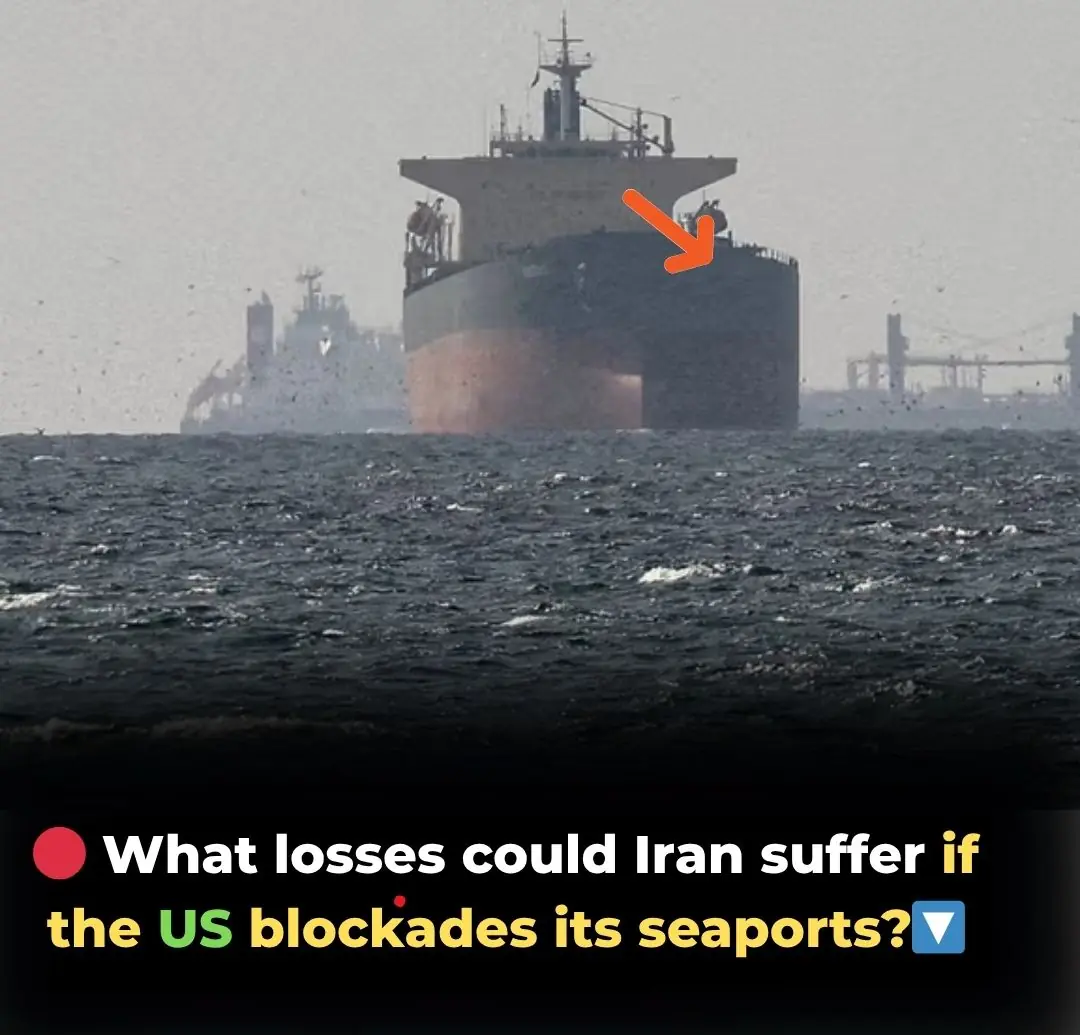
A ship in the Strait of Hormuz, off the coast of Musandam province, Oman, on April 12. Photo: Reuters
The Norwegian Shipowners Association said several key issues remain unresolved, including mine clearance, Iran's conditions, and practical implementation.
The shipping company BIMCO warned its members against rushing through the strait, citing the threat of mines. A US Navy warning seen by Reuters also mentioned the danger posed by this type of weapon.
Matt Wright, a leading shipping analyst at data analytics firm Kpler, said it remains uncertain which routes ships can take to leave the Gulf.

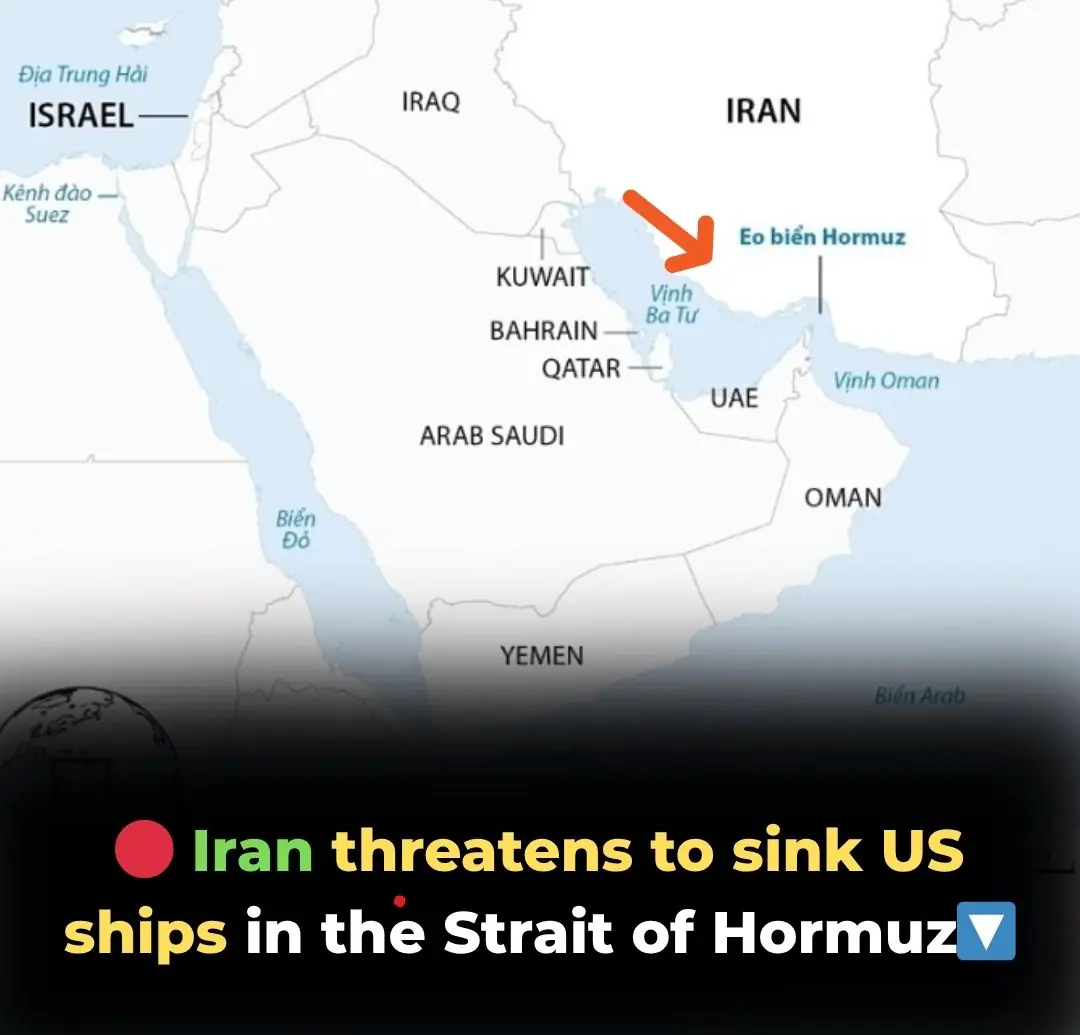
The navigation route (gray) and the dangerous area suspected of containing mines (red) in the Strait of Hormuz, as released by the IRGC on April 9. Photo: IRGC
Bloomberg data shows that approximately 770 commercial vessels were using transponders in the Persian Gulf on April 16, including about 360 oil tankers. Before the conflict between the US, Israel, and Iran erupted, the average number of ships passing through the strait each day was about 120, according to Lloyd's List.
A senior Iranian official told Reuters that all commercial vessels, including those flying the US flag, can pass through the Strait of Hormuz, but their journeys must be coordinated with the Iranian Islamic Revolutionary Guard Corps (IRGC). Ships will also be restricted to shipping lanes deemed safe by Iran, while military vessels remain prohibited.