Ukraine Urges Israel to Act Against Russian Ships, Faces Sharp Response
News 17/04/2026 17:25
Iranian Foreign Minister Abbas Araghchi announced the "full opening" of the Strait of Hormuz, as fighting between Israel and Hezbollah in Lebanon has stopped thanks to a 10-day ceasefire.
"In response to the ceasefire agreement in Lebanon, the Strait of Hormuz has been fully opened to all commercial vessels for the remainder of the ceasefire," Iranian Foreign Minister Abbas Araghchi announced today in a post on X.
Israel and Lebanon reached a 10-day ceasefire agreement, effective from today.
The Iranian Foreign Minister said ships need to follow the route previously announced by the Iranian Maritime and Port Authority. This is an alternative route for ships to help avoid the risk of hitting mines in the main channel of this shipping lane.

The navigation route (gray) and the dangerous area suspected of containing mines (red) in the Strait of Hormuz, as announced by the IRGC on April 9. Photo: IRGC
US President Donald Trump immediately posted on the social media platform Truth Social, welcoming Iran's move. "Iran just announced that the strait is completely open and ready for free navigation. Thank you," he wrote, adding that Iran is removing mines "with help from the United States."
In a subsequent post, Trump stated that the US blockade of Iranian ports remains in effect until the agreement between the US and Iran is "100% complete." "This process will happen very quickly because most points have been negotiated," he wrote.
He said Iran has agreed never to close the Strait of Hormuz again. "This strait will no longer be used as a weapon against the world," the President wrote.

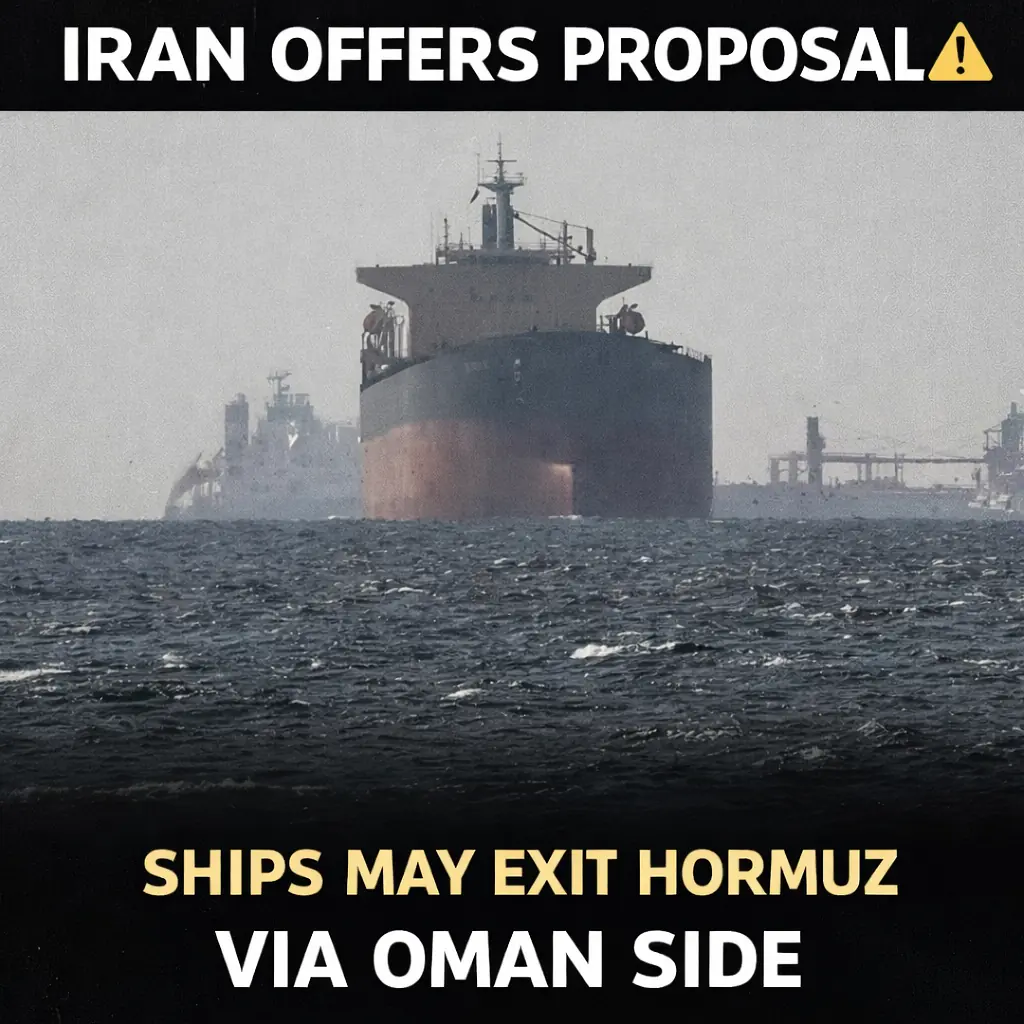
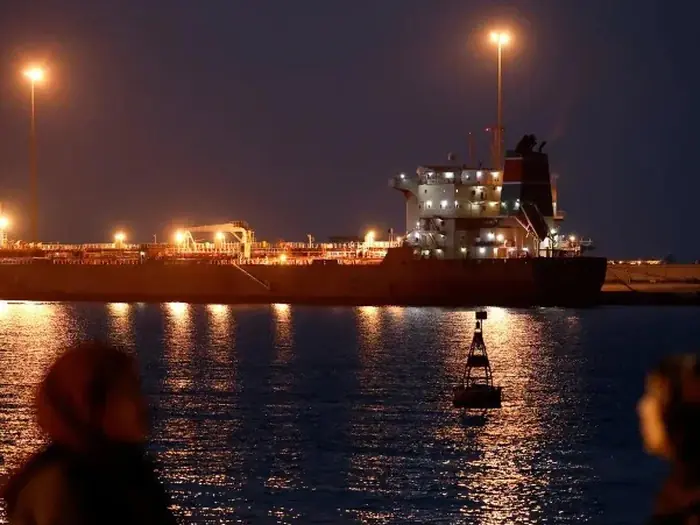
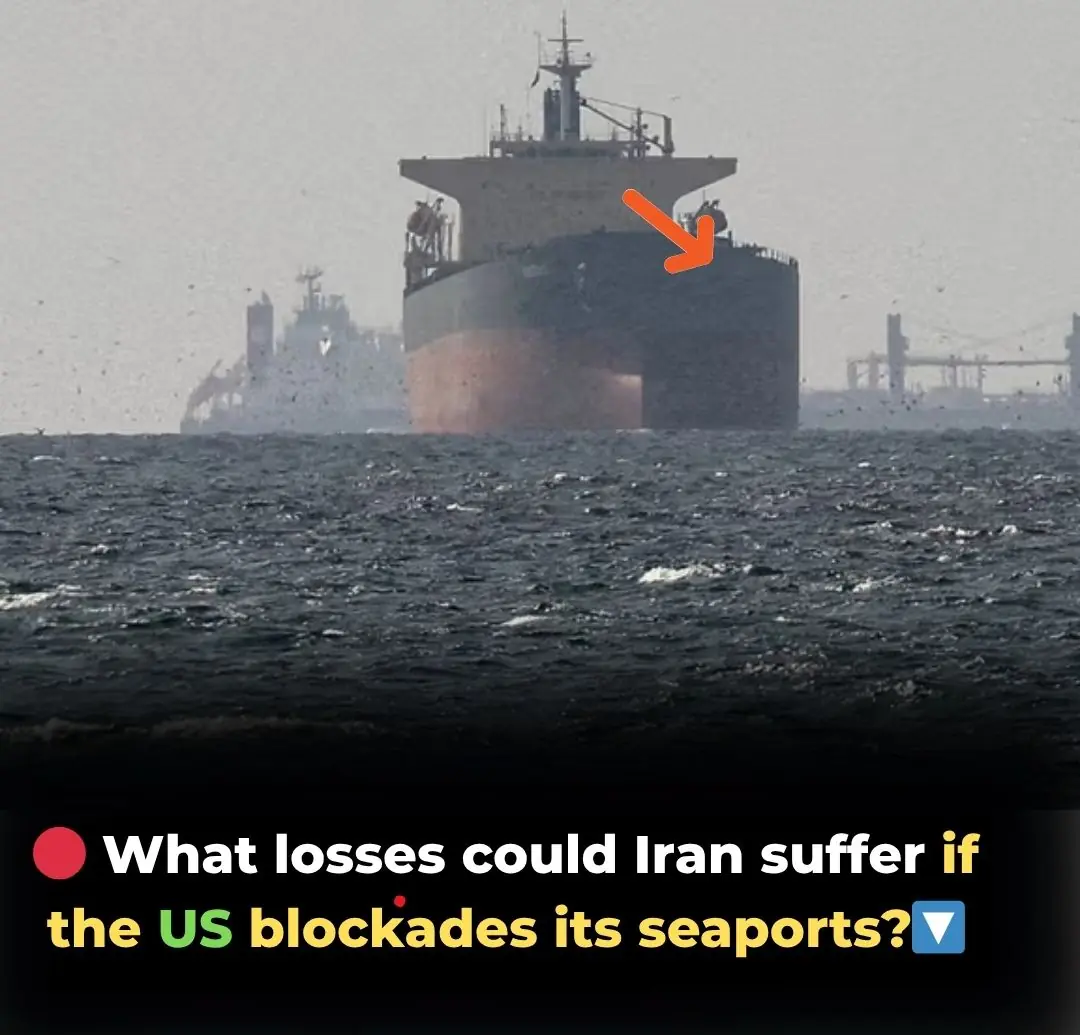
A ship transits the Strait of Hormuz as seen from the Omani side on April 8. Photo: AFP
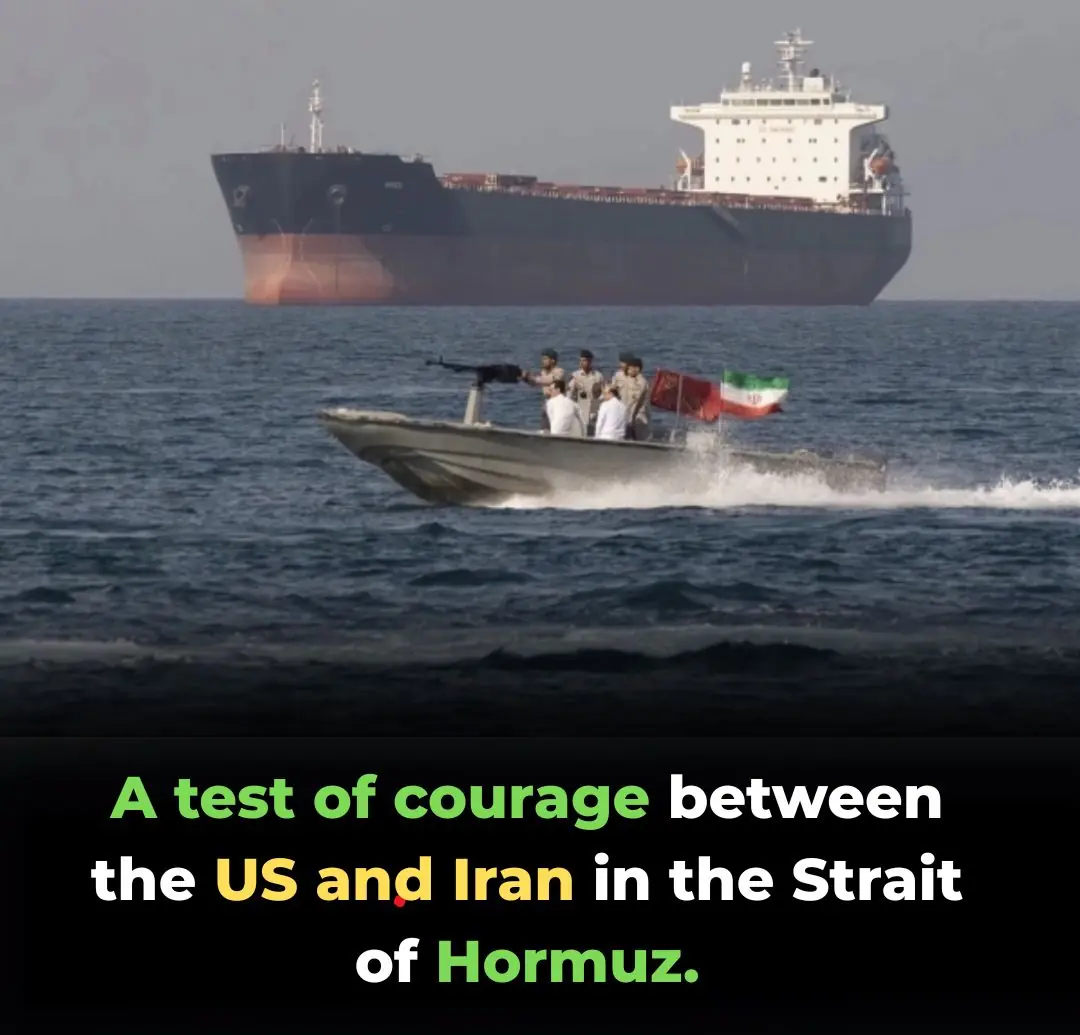
The Strait of Hormuz is a vital artery for approximately 20% of the world's oil and gas supply, along with one-third of the raw materials used in fertilizer production for the global agricultural industry. Following the US and Israel's attack on Iran on February 28, Tehran almost completely blockaded the strait, causing global energy prices to skyrocket.
On April 8, the US and Iran reached a two-week ceasefire agreement, under which both sides halted attacks and Tehran allowed ships to pass through Hormuz. However, due to Israel's continued attacks on Hezbollah in Lebanon, Iran subsequently announced it would resume restrictions on ships passing through Hormuz.
Israel and Lebanon today accepted a 10-day ceasefire. The agreement was facilitated after phone calls between President Trump and Israeli Prime Minister Benjamin Netanyahu and Lebanese President Joseph Aoun. Mr. Trump expressed his hope that the leaders would soon meet at the White House to work towards peace between the two countries.
The US and Iranian delegations are likely to continue negotiations later this week.

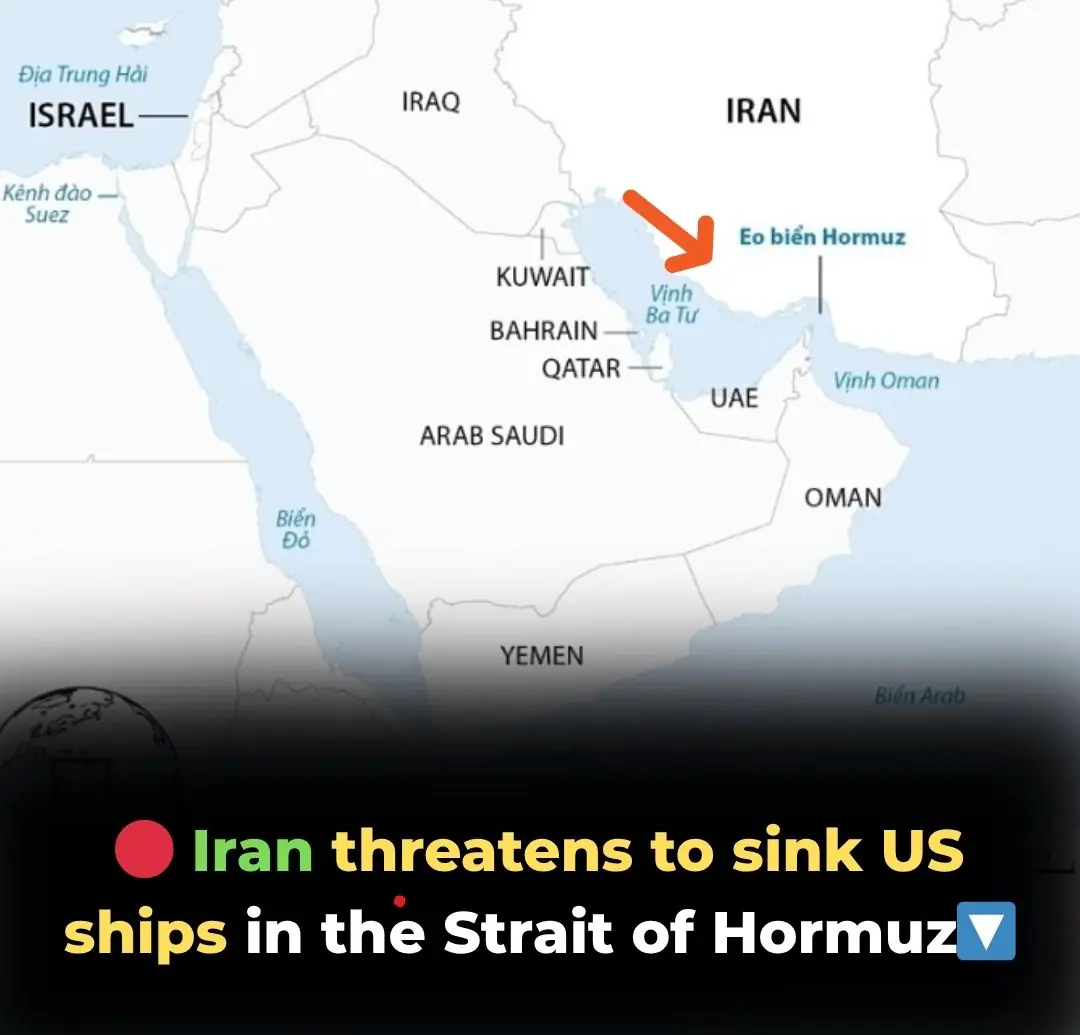
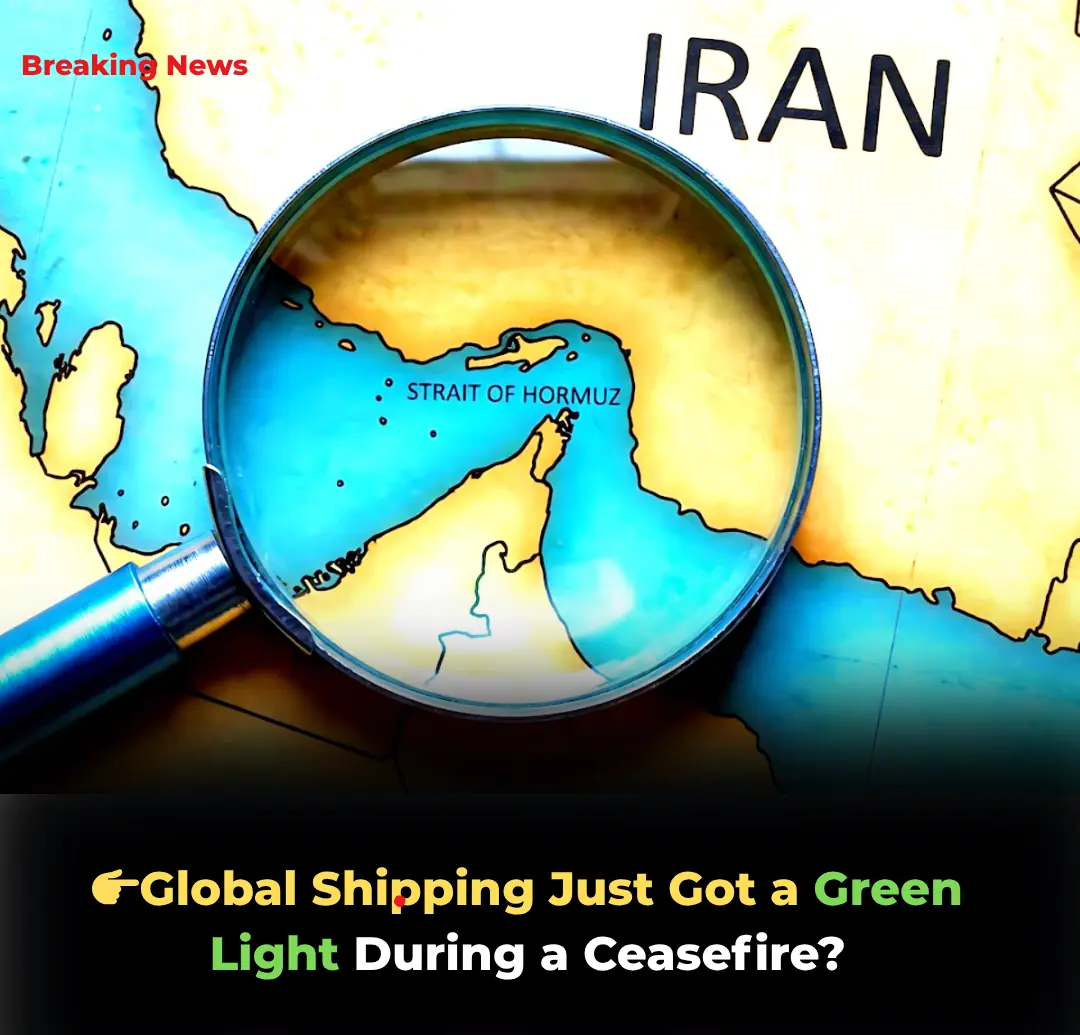
Location of the Strait of Hormuz and ports in the Gulf region. Graphic: WSJ