BREAKING: Iran Threatens to Close Strait of Hormuz - Global Oil Shock Looming?... Read more
News 18/04/2026 16:33
President Trump declared that the U.S. would take Iran's uranium and bring it back home, while Tehran insisted it "will not be transferred."
"The U.S. will get all the 'nuclear dust' created by our great B-2 bombers," President Donald Trump posted on the social media platform Truth Social on April 17.
President Trump often uses the phrase "nuclear dust" to describe Tehran's stockpile of highly enriched uranium, but he sometimes also uses it to refer to the materials left over from the U.S. airstrike on Iranian nuclear facilities in June 2025.
Iranian Foreign Ministry spokesman Esmaeil Baqaei quickly stated on television that Tehran's enriched uranium "will not be transferred anywhere."

US President Donald Trump at an event in Phoenix, Arizona on April 17. Photo: AFP
"The scenario of Iran transferring its enriched uranium to the US was never raised in the negotiations," Baqaei said, adding that recent talks focused on resolving the conflict, not on recovering Iran's uranium stockpile.
At a later event in Arizona, Trump reiterated that Washington and Tehran would cooperate to recover the uranium.
"Some people ask how we can get the nuclear dust? We will get it by cooperating with Iran, using a lot of excavators. We will need the biggest excavators you can imagine. We will get it and bring it back to the US very soon," he said.
The US President said on April 16 that Tehran had agreed to transfer the enriched uranium, but did not elaborate. Iran possesses approximately 440 kg of uranium enriched to 60%, not far from the 90% level needed to build nuclear weapons, according to the International Atomic Energy Agency (IAEA).

Spokesperson Baqaei at a weekly press briefing in Tehran on February 10. Photo: AFP
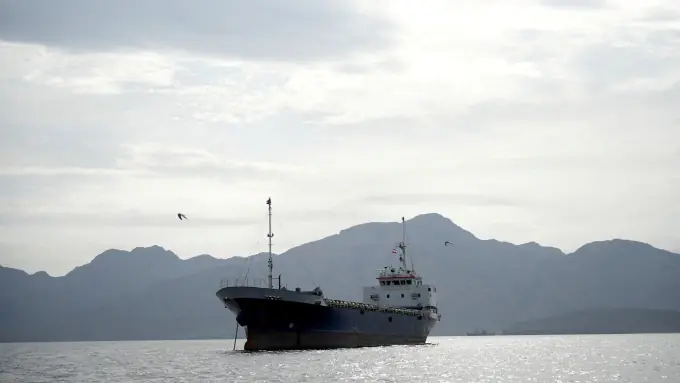
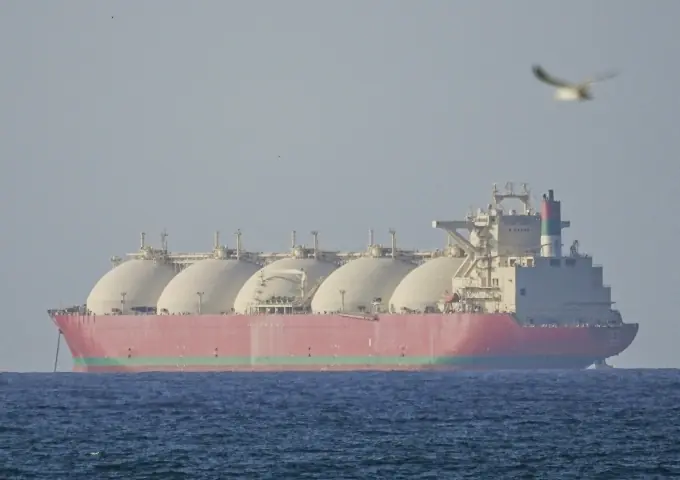
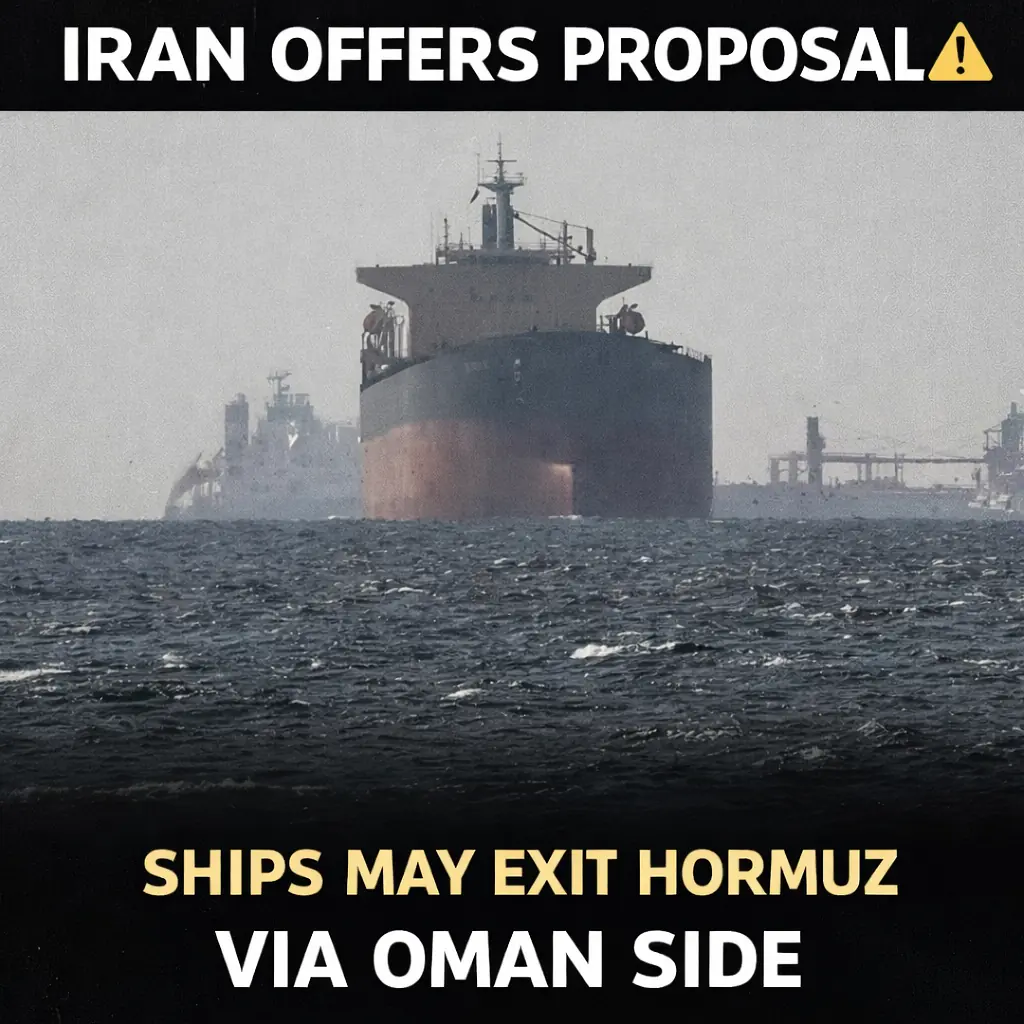
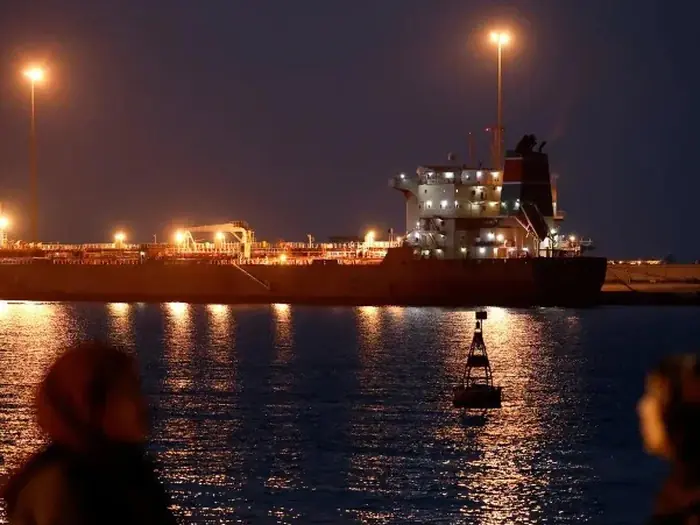
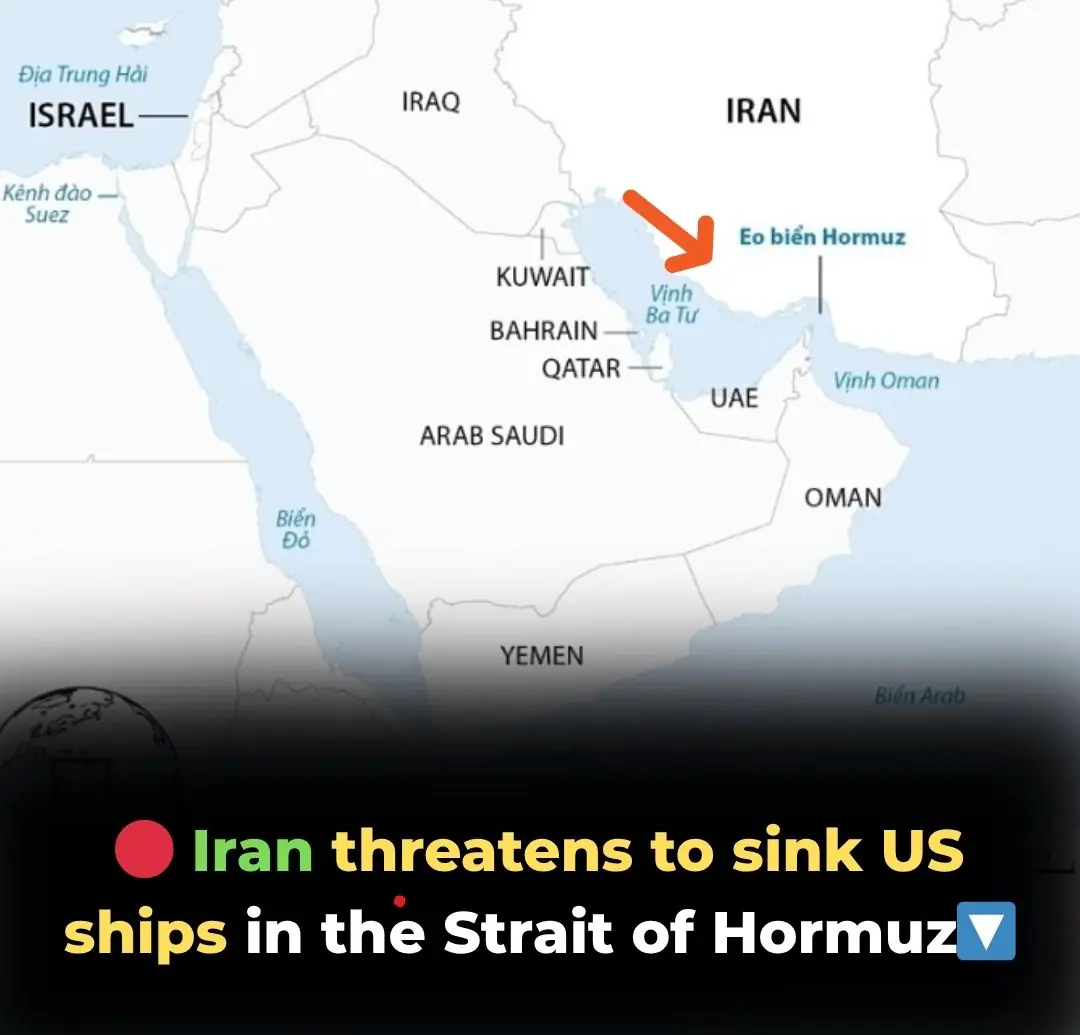
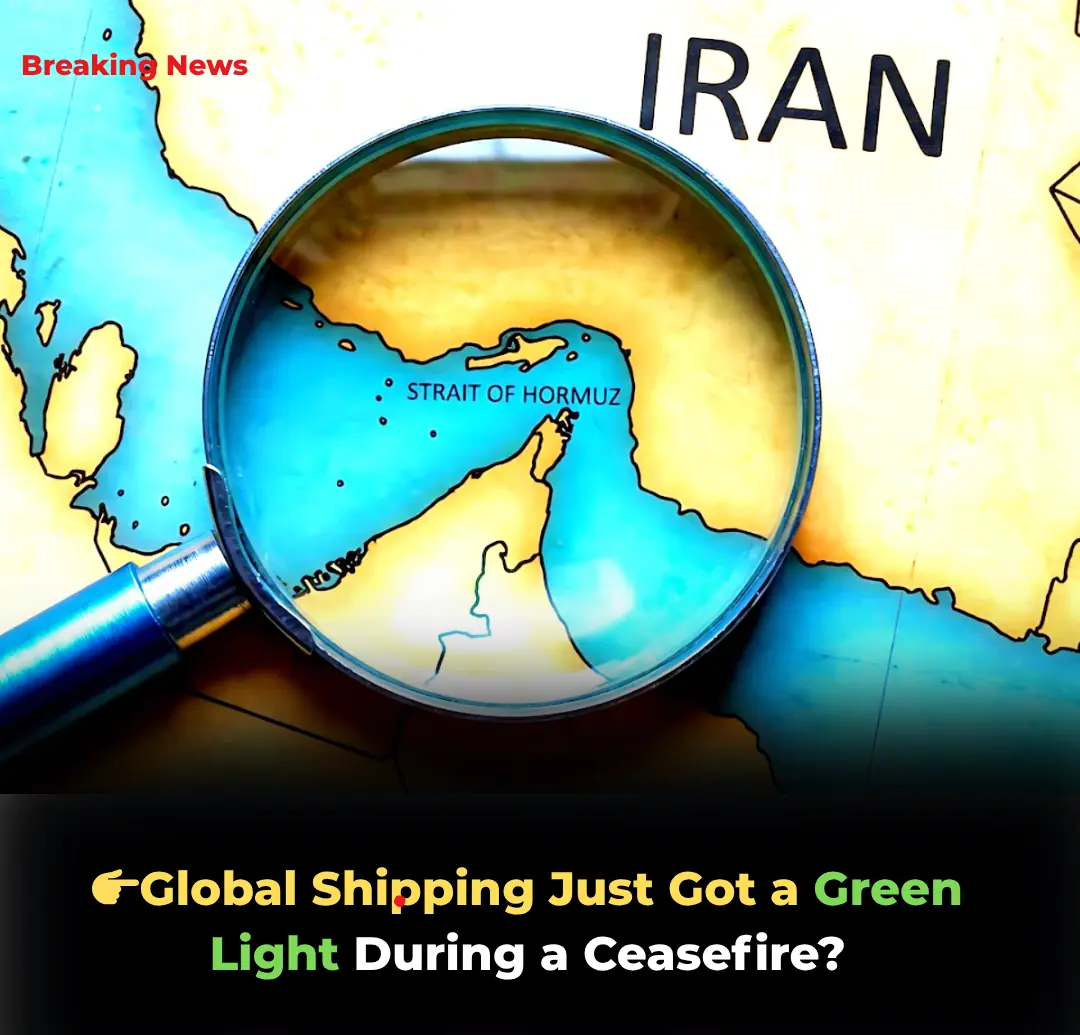
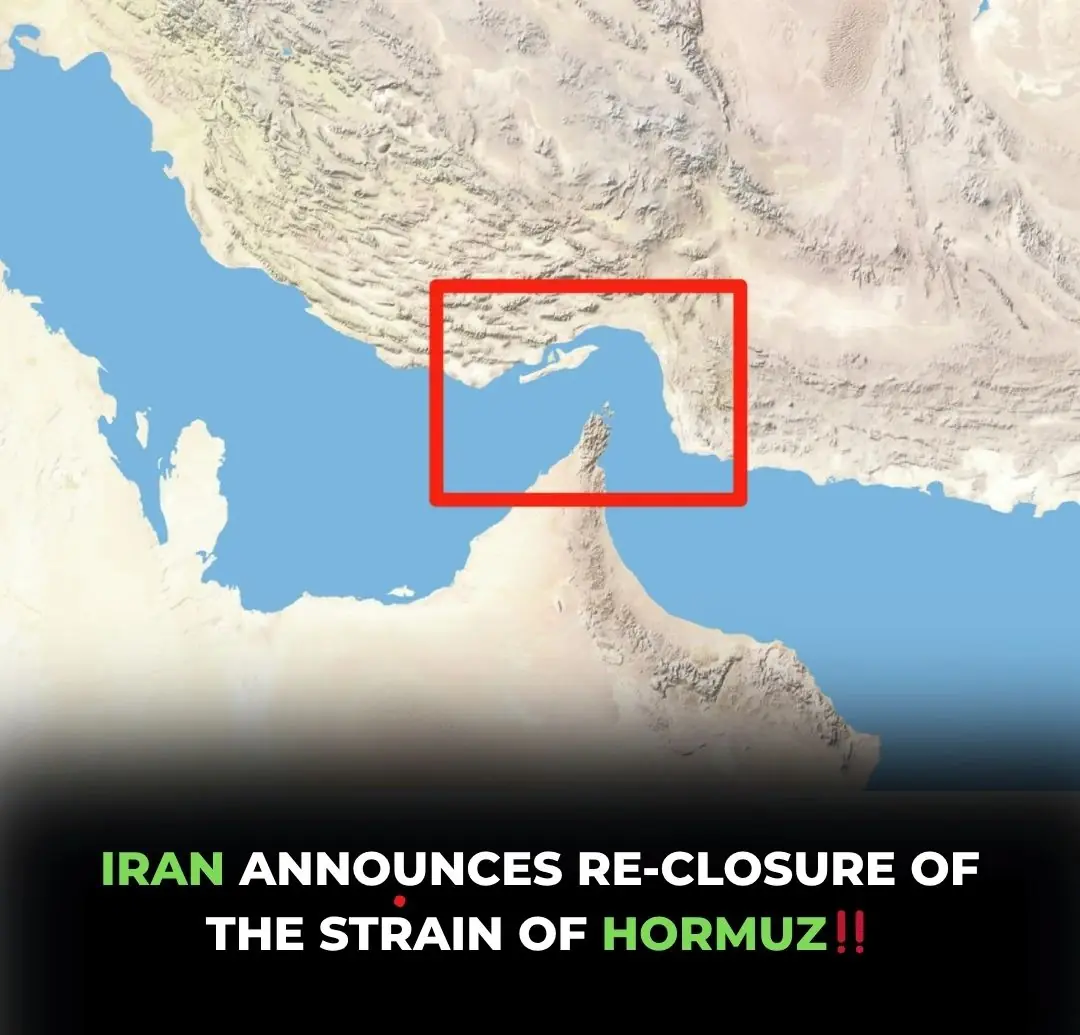
Contradictory statements were made after Iran announced it would fully open the Strait of Hormuz to commercial ships, in response to a 10-day ceasefire between Israel and Lebanon that took effect the same day.
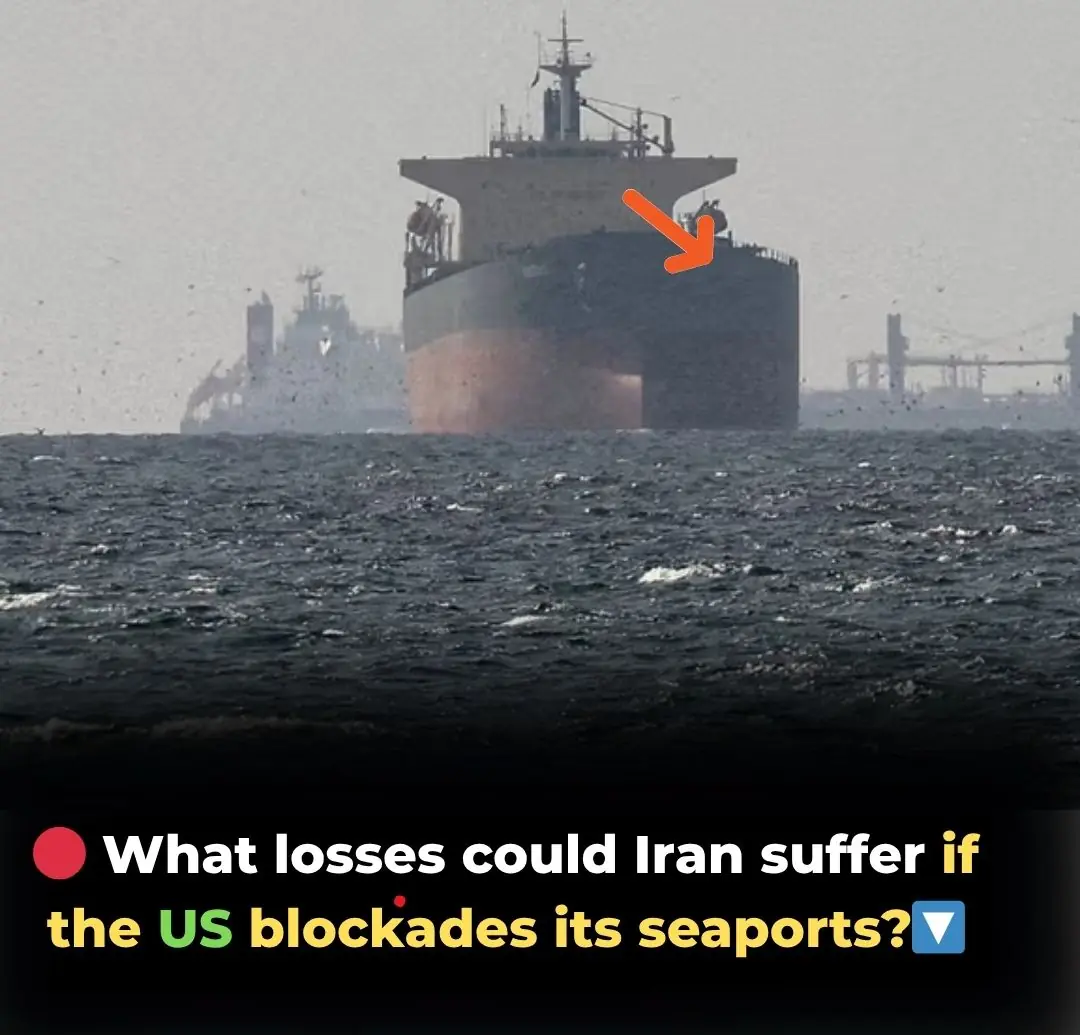
President Trump welcomed the move, but said he would maintain the blockade of Iranian ports until the two sides reach an agreement to completely end the conflict. He also expressed optimism that an agreement was "very close," stating that there were "no remaining sticking points."
Spokesperson Baqaei said that the "sea blockade" would be met with an appropriate response, accusing it of violating the ceasefire agreement.
"Opening and closing the Strait of Hormuz is not something that happens online; it's decided on the ground. Our armed forces certainly know how to respond to any action from the other side. Iran will certainly take the necessary measures," he said.