Stop Throwing Away That Oil Cap
Tips 27/04/2026 11:34
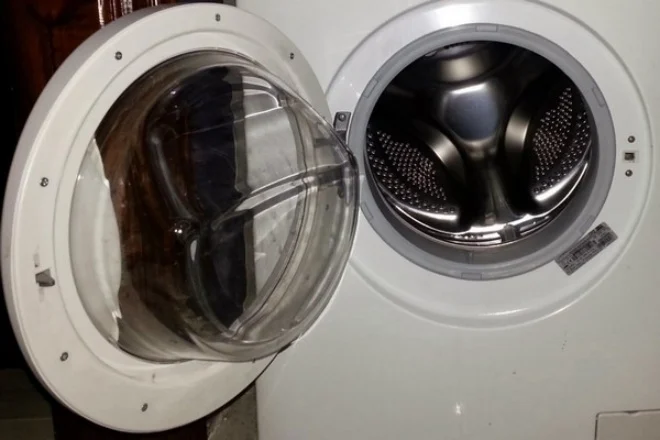
After being used for a while, washing machines tend to accumulate dirt, unpleasant odors, and even mold. This is a clear sign that it’s time to give your washing machine a proper cleaning.
Most people use their washing machine almost every day, yet very few remember to clean it regularly. Over time, detergent residue, fabric lint, and moisture can create an ideal environment for bacteria and mold to grow. This not only affects how clean your clothes get but can also have negative effects on your family’s health.
Below are some simple but highly effective tips to eliminate odors, mold, and grime from your washing machine and keep it running smoothly.
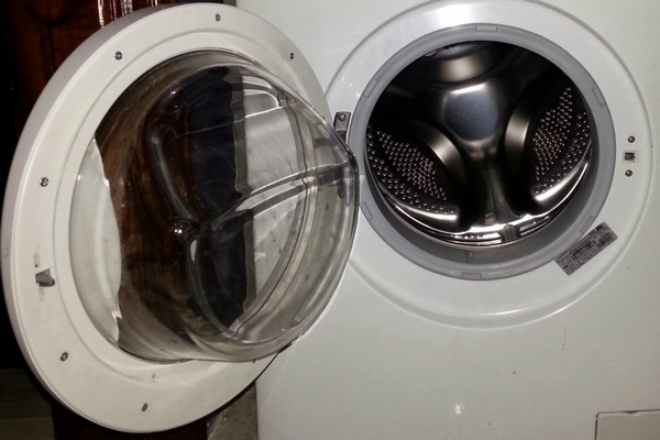
Many people tend to close the washing machine door right after using it, thinking it will look tidier or stay clean inside. However, doing so traps moisture inside the drum, making it a perfect breeding ground for mold and mildew.
To prevent this, always leave the door or lid open after every wash. This allows air to circulate freely, helping the inside dry out completely and preventing that musty smell from developing.
💡 Tip: If you have small children or pets, you can keep the door slightly ajar using a door stop or magnet to ensure safety while still allowing ventilation.
Leaving damp clothes inside the washer for too long after a cycle ends can quickly lead to a bad odor—not only in the clothes but in the machine itself. Bacteria and mold can start developing within just a few hours in a warm, moist drum.
To avoid this, always remove your laundry as soon as the wash cycle is finished and hang it out to dry immediately. If you can’t do it right away, at least open the washer door to let some air in until you’re ready.
Similarly, avoid putting soaking wet clothes in the washer hours before starting a wash. Wait until you’re ready to begin the cycle.
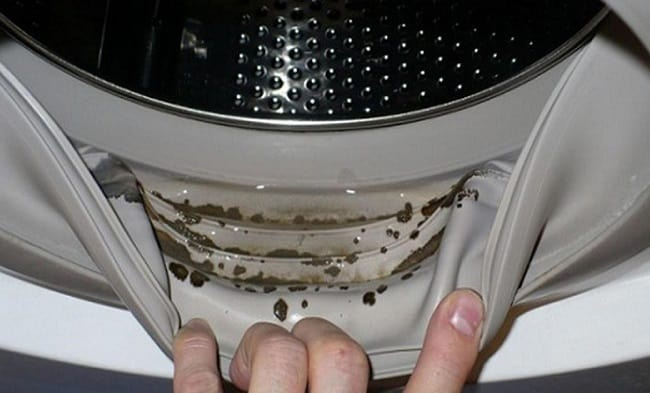
Like any household appliance, your washing machine requires regular maintenance to work efficiently and last longer—especially because it deals with water and detergent every day.
Start by wiping down the lid, drum, detergent drawer, and rubber gasket using a clean cloth. The rubber gasket (seal) around the door is particularly prone to collecting detergent residue, lint, and mold. Wipe it thoroughly and make sure no debris is trapped underneath.
Inside the machine, remove and clean the lint filter and drain pump filter. These filters often collect small items like pet hair, tissue paper, and dirt. If not cleaned, they can block drainage and cause foul smells.
You should also remove the detergent and softener drawer regularly to wash off any buildup or residue that may clog the compartments over time.
💡 Extra tip: If your home has hard water, consider wiping the drum and detergent tray with a little white vinegar to remove mineral deposits.
Each type of washing machine—top load or front load—requires a specific type of detergent. Using the wrong one can create excess foam, leave behind residue, or even damage your machine.
For example, never use hand-wash powder or detergent made for top-loading machines in a front-loading washer. Also, don’t overuse detergent—too much soap can lead to sticky residue, clog the drain, and cause a strong odor.
Following the manufacturer’s recommendations for detergent type and dosage will keep your clothes clean and your machine in good condition.
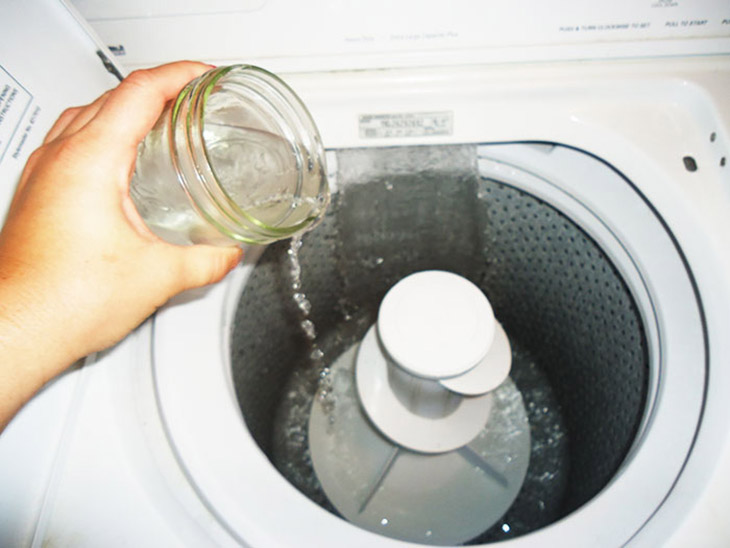
Even if your machine looks clean on the outside, the drum can still harbor hidden grime and bacteria. To deep clean it, you can use white vinegar, baking soda, or special washing machine cleaning tablets.
Simply add your cleaning agent into the drum and run the self-cleaning cycle if your machine has one. If not, choose a hot water wash cycle (at least 60°C) to help dissolve detergent residue and kill bacteria.
Perform this deep cleaning at least once a month. After each cleaning session, leave the door open so the drum can dry completely—this helps prevent future odor and mold buildup.
💡 Optional: You can add a few drops of essential oil (like lemon or lavender) to the final rinse or cleaning cycle for a fresh scent.
A washing machine that smells fresh and runs smoothly doesn’t just make your laundry cleaner—it also extends the life of your appliance and protects your family’s health.
By following these simple habits—keeping the door open, removing clothes promptly, using the right detergent, and cleaning regularly—you can ensure your washing machine stays hygienic, efficient, and odor-free all year round.