Vitamin K2 Supplementation and Vascular Health in Chronic Kidney Disease
Health 21/12/2025 23:46
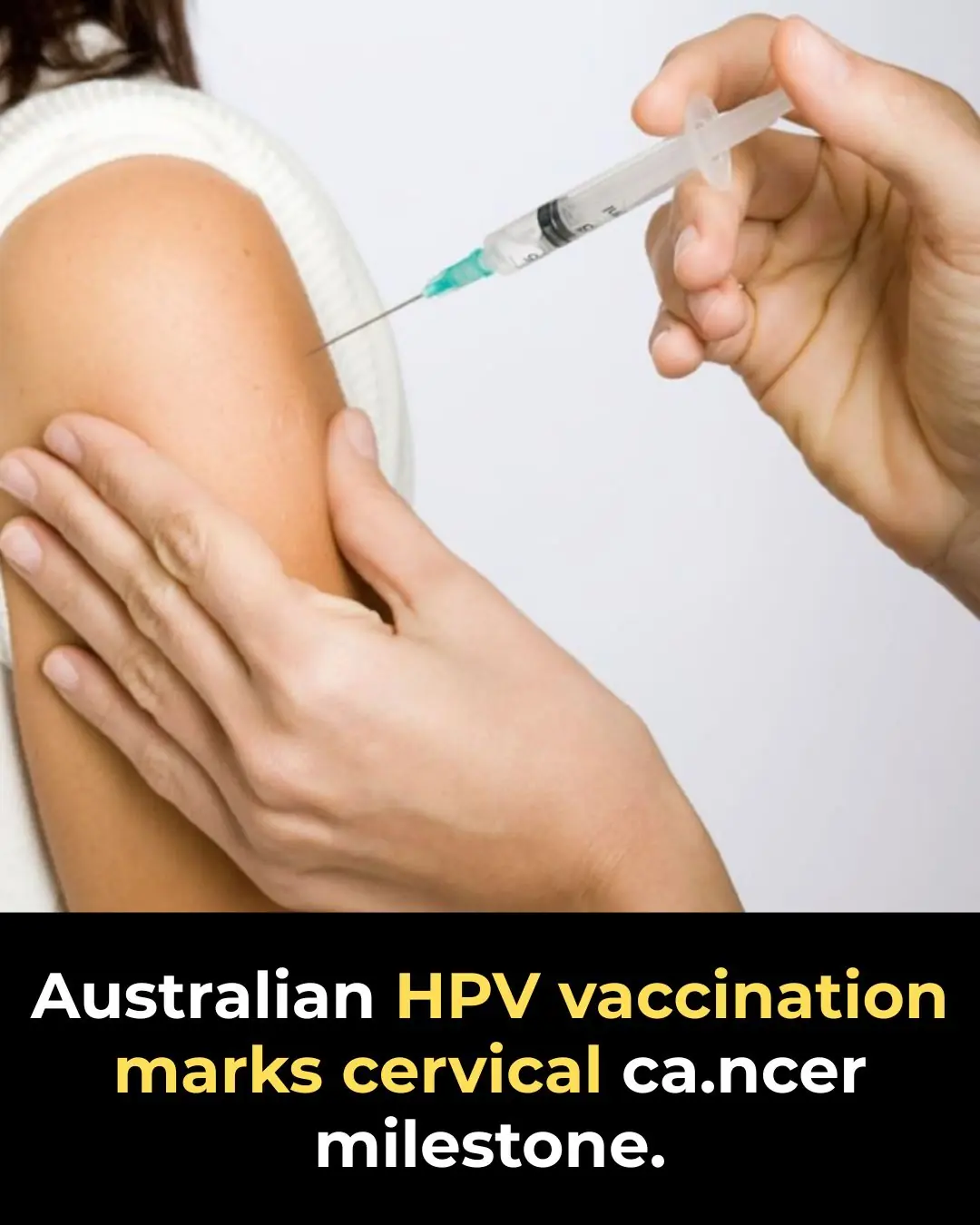
Australia has achieved a landmark public health success: zero new cases of cervical cancer among people younger than 25 years in 2021. This unprecedented outcome marks a major step toward becoming the first country in the world to effectively eliminate cervical cancer as a public health problem. Experts widely attribute this achievement to the country’s long-standing and highly effective national HPV vaccination program, combined with organized cervical screening and strong public health infrastructure.
Cervical cancer is caused almost exclusively by persistent infection with human papillomavirus (HPV), a very common sexually transmitted virus. While most HPV infections resolve on their own, certain high-risk strains—especially HPV types 16 and 18—can lead to precancerous changes and, eventually, cervical cancer if left undetected or untreated.
For decades, cervical cancer was one of the leading causes of cancer-related deaths among women worldwide. The development of HPV vaccines fundamentally changed this trajectory by preventing infection with the virus before it can cause disease.
Australia was one of the first countries to introduce a nationwide, government-funded HPV vaccination program, launching it in 2007. Initially targeted at adolescent girls, the program was later expanded to include boys, recognizing HPV’s role in multiple cancers and its transmission across genders.
Key features of the program include:
School-based vaccination, ensuring high uptake and equitable access
Early vaccination, typically before exposure to HPV
High coverage rates, consistently exceeding 80–90% in many cohorts
As a result, HPV infections, genital warts, and precancerous cervical lesions have dropped dramatically across vaccinated age groups.
The absence of cervical cancer cases among Australians under 25 in 2021 is not a coincidence—it is a direct reflection of population-level immunity created by widespread vaccination. This age group represents the first generation to benefit almost entirely from early HPV immunization.
Public health researchers view this milestone as:
Proof that cervical cancer is largely preventable
A validation of long-term investment in vaccination programs
A powerful signal that elimination—not just reduction—is achievable
Epidemiological models now predict that Australia could eliminate cervical cancer nationwide within the next decade if current efforts continue.
Vaccination alone is not the sole factor behind Australia’s success. The country also modernized its cervical screening program, transitioning from Pap smears to HPV-based screening tests, which are more sensitive and effective at detecting high-risk infections early.
This dual strategy—preventing HPV infection through vaccination and detecting disease early through screening—creates a comprehensive defense against cervical cancer.
Australia’s achievement carries enormous global significance. Cervical cancer remains a major cause of death in many low- and middle-income countries, where access to vaccines and screening is limited.
Public health experts emphasize that Australia’s experience demonstrates:
HPV vaccination saves lives on a population scale
High coverage and early vaccination are critical
Elimination of a cancer caused by infection is possible
International organizations now reference Australia as a benchmark in the global push to eliminate cervical cancer.
Despite this success, challenges remain:
Ensuring continued vaccine uptake amid misinformation
Reaching underserved and marginalized populations
Maintaining long-term funding and political commitment
Health authorities stress that vaccination and screening must continue, even as case numbers fall, to prevent resurgence and protect future generations.
Australia’s report of zero cervical cancer cases in people under 25 is a historic public health victory—one made possible through science, policy, and sustained community participation. It demonstrates that with the right tools and commitment, cervical cancer can move from a common and deadly disease to a preventable and eventually eliminated one.
As the world looks for effective strategies to reduce cancer burden, Australia’s HPV vaccination program stands as compelling evidence that prevention works—and that a future without cervical cancer is within reach.