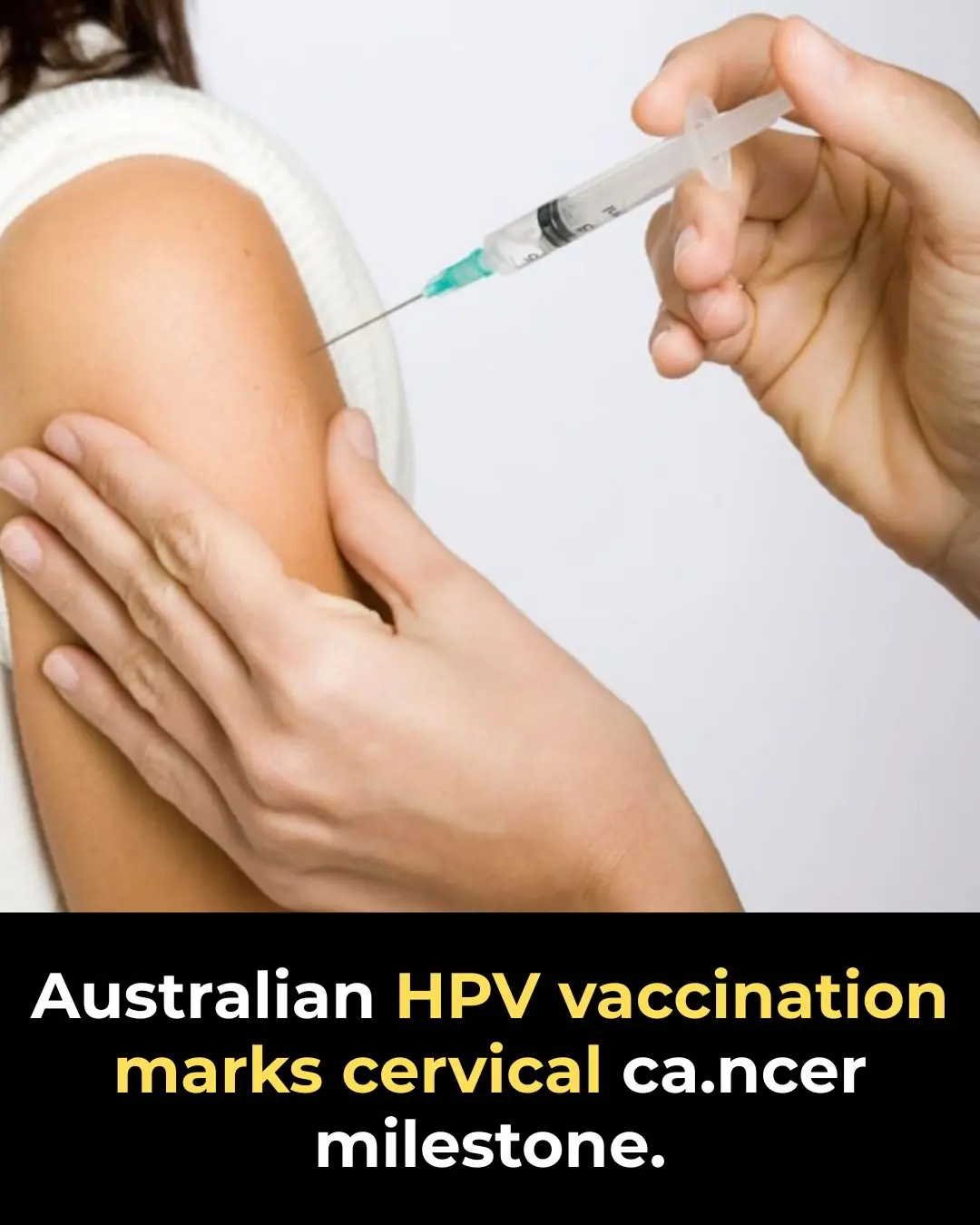
Australian HPV Vaccination Marks Cervical Cancer Milestone
Health 22/12/2025 00:19
Cocoa Flavanol Supplementation and Cardiovascular Mortality: Evidence from the COSMOS Trial
Cardiovascular disease (CVD) remains the leading cause of death globally, particularly among older adults. While pharmacological interventions such as statins and antihypertensive drugs are well established, there is growing interest in the role of dietary bioactive compounds as complementary strategies for cardiovascular prevention. Cocoa flavanols—naturally occurring polyphenols found in cocoa—have been widely studied for their potential benefits on vascular function, inflammation, and metabolic health. Robust clinical evidence supporting their impact on hard clinical outcomes, however, has been limited. The COcoa Supplement and Multivitamin Outcomes Study (COSMOS) represents one of the largest and most rigorous attempts to address this gap.
The COSMOS randomized clinical trial enrolled 21,442 older adults and followed them for a median of 3.6 years. Participants were randomly assigned to receive either a daily 500 mg cocoa-extract supplement containing standardized cocoa flavanols or a placebo. The primary endpoint of the trial was total cardiovascular events, a composite outcome that included myocardial infarction, stroke, coronary revascularization, and cardiovascular death. While the cocoa-flavanol supplement did not produce a statistically significant reduction in this primary endpoint, an important and clinically meaningful finding emerged from secondary analyses.
Specifically, the trial reported a 27% reduction in cardiovascular-disease mortality among participants taking the cocoa-extract supplement, corresponding to a hazard ratio of approximately 0.73. This finding suggests that although cocoa flavanols may not substantially reduce the overall incidence of cardiovascular events within a relatively short follow-up period, they may improve survival after cardiovascular disease develops or reduce the severity of fatal cardiovascular outcomes. Mortality, as an endpoint, is particularly robust and clinically relevant, making this result noteworthy despite its classification as a secondary outcome.
Several biological mechanisms may plausibly explain the observed reduction in cardiovascular mortality. Cocoa flavanols have been shown in prior studies to enhance endothelial function by increasing nitric oxide bioavailability, leading to improved vasodilation and blood flow. They also exhibit anti-inflammatory and antioxidant properties, reduce platelet aggregation, and may improve insulin sensitivity. Collectively, these effects could stabilize atherosclerotic plaques, reduce thrombosis risk, and improve vascular resilience during acute cardiovascular events, thereby lowering the likelihood of fatal outcomes even if events still occur.
It is important, however, to interpret the COSMOS findings with appropriate caution. Because the reduction in cardiovascular mortality was a secondary outcome, the trial was not specifically powered to detect differences in this endpoint, and the possibility of chance findings cannot be fully excluded. In addition, the absence of a significant effect on total cardiovascular events suggests that cocoa flavanols are unlikely to replace established preventive therapies. Rather, their benefit may lie in modest risk reduction or improved prognosis when used alongside standard care.
Nonetheless, the scale, randomized design, and high methodological quality of COSMOS distinguish it from earlier observational studies and smaller trials. The results provide some of the strongest clinical evidence to date that cocoa flavanol supplementation may confer meaningful cardiovascular benefits, particularly in reducing the risk of death from. From a public health perspective, such an effect—if confirmed—could have substantial implications given the safety profile and wide availability of cocoa-derived supplements.
In conclusion, the COSMOS randomized clinical trial demonstrates that daily supplementation with 500 mg of standardized cocoa extract was associated with a significant 27% reduction in cardiovascular-disease mortality over 3.6 years, despite no significant reduction in total cardiovascular events (American Journal of Clinical Nutrition / COSMOS Trial, secondary outcome analysis). These findings suggest that cocoa flavanols may play a supportive role in cardiovascular health, especially in improving survival, and warrant further investigation in future trials specifically designed to assess mortality and long-term clinical outcomes.