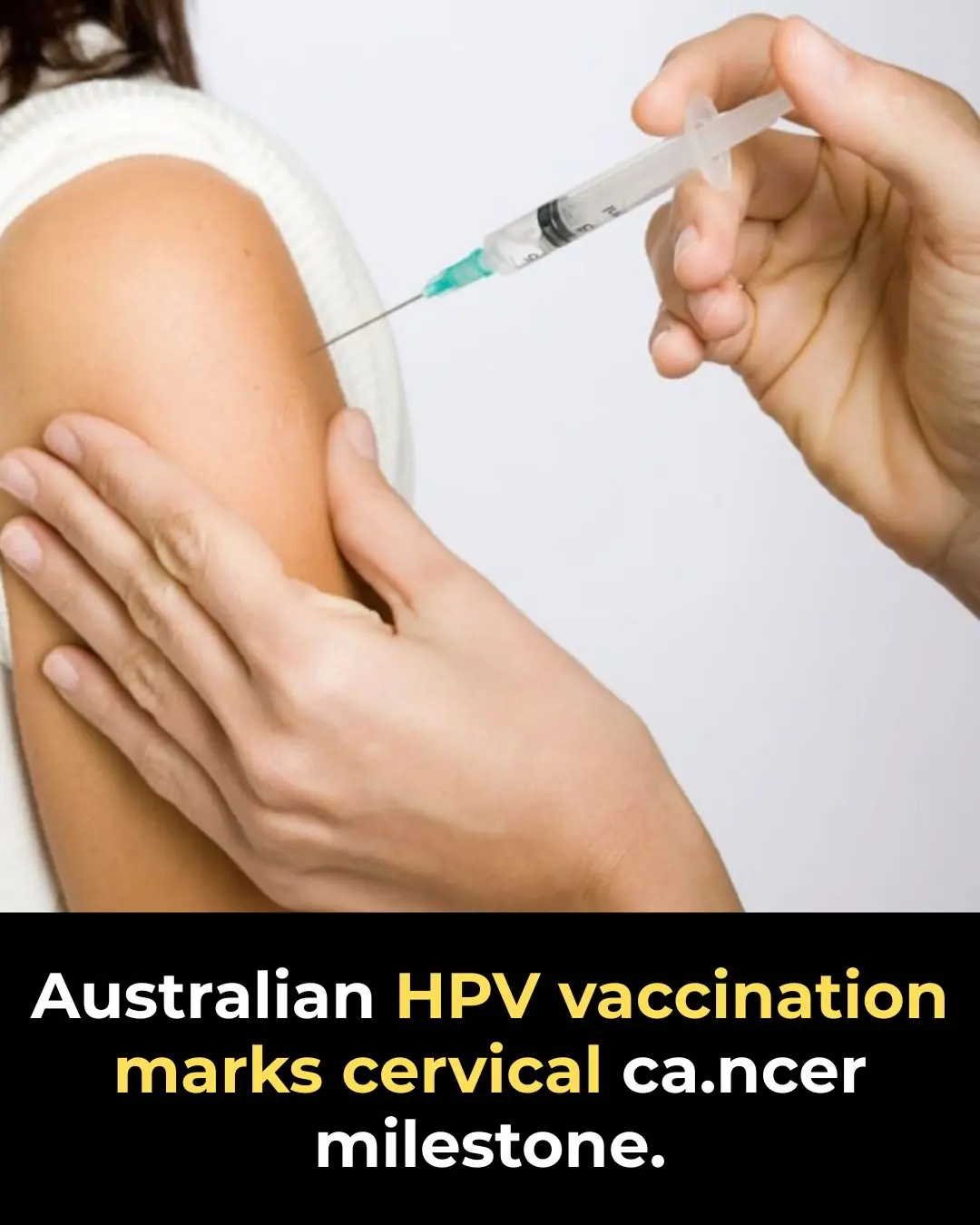
Australian HPV Vaccination Marks Cervical Cancer Milestone
Health 22/12/2025 00:19
Methylene Blue–Based Photodynamic Therapy as a Selective Strategy Against Breast Cancer Cells
Breast cancer remains one of the most prevalent malignancies worldwide, and despite major advances in surgery, chemotherapy, radiotherapy, and targeted drugs, treatment resistance and damage to healthy tissue remain significant challenges. For this reason, alternative strategies that can selectively eliminate cancer cells while sparing normal cells are of great scientific and clinical interest. One such approach is photodynamic therapy (PDT), which combines a light-sensitive compound with specific light exposure to induce localized cytotoxic effects. A 2017 experimental study published in BMC Cancer provides compelling evidence that methylene blue–based photodynamic therapy may represent a highly selective anti-cancer strategy in breast cancer.
In the paper titled “Methylene blue photodynamic therapy induces selective and massive cell death in human breast cancer cells,” a research team from the University of São Paulo investigated the effects of methylene blue, a long-established medical dye, when activated by red light. Methylene blue is known for its safety profile and wide clinical use in diagnostics and treatment of non-cancerous conditions. However, its potential as a photosensitizer in cancer therapy had not been fully characterized. The researchers aimed to determine whether methylene blue, when activated by light at a wavelength of 640 nm, could selectively kill breast cancer cells.
Using in vitro cell culture models, the investigators treated multiple human breast cancer cell lines with methylene blue and subsequently irradiated them with 640-nm light at an energy dose of 4.5 J/cm². The results were striking. Under these conditions, breast cancer cells underwent extensive and rapid cell death, whereas normal breast epithelial cells were far less affected. This differential sensitivity highlights a key advantage of the approach: selective cytotoxicity toward malignant cells, which is a critical goal in modern oncology.
Further mechanistic analysis revealed that the observed cell death did not primarily occur through classical apoptosis, the programmed cell death pathway commonly targeted by chemotherapeutic drugs. Instead, methylene blue photodynamic therapy caused widespread disruption of intracellular organelles, interfered with autophagy-related pathways, and triggered a rapid, catastrophic form of cell death. Cancer cells appeared uniquely vulnerable to this overwhelming cellular stress, possibly due to their altered metabolism, redox imbalance, and dependence on tightly regulated intracellular recycling mechanisms. By bypassing apoptosis, this therapy may also overcome resistance mechanisms that allow cancer cells to survive conventional treatments.
The selectivity observed in this study is particularly important. Many anti-cancer therapies damage healthy tissue, leading to significant side effects and limiting treatment intensity. The finding that normal breast epithelial cells were relatively spared under the same experimental conditions suggests that methylene blue photodynamic therapy could, in principle, offer a more targeted and less toxic alternative. Additionally, the use of light activation allows spatial control, meaning the cytotoxic effect could be confined to tumor tissue.
Despite these promising findings, the authors emphasized important limitations. The study was conducted entirely in vitro, using cultured cell lines. Such models cannot fully replicate the complexity of living organisms, including immune responses, tissue architecture, and drug distribution. As a result, the safety, effectiveness, and selectivity of methylene blue photodynamic therapy must be validated in animal models and, ultimately, in human clinical trials before any clinical application can be considered.
In conclusion, the 2017 study published in BMC Cancer demonstrates that methylene blue, when activated by 640-nm light, can induce massive and selective death of human breast cancer cells through non-apoptotic mechanisms (BMC Cancer, 2017). While still at a preclinical stage, this research highlights a promising anti-cancer strategy that exploits the unique vulnerabilities of cancer cells and underscores the potential of photodynamic therapy as a complementary approach in future breast cancer treatment.