Seven Foods That Rarely Spoil: Still Safe to Eat Even After the Expiration Date
Health 08/01/2026 14:40
Growing Organs from Your Own Cells
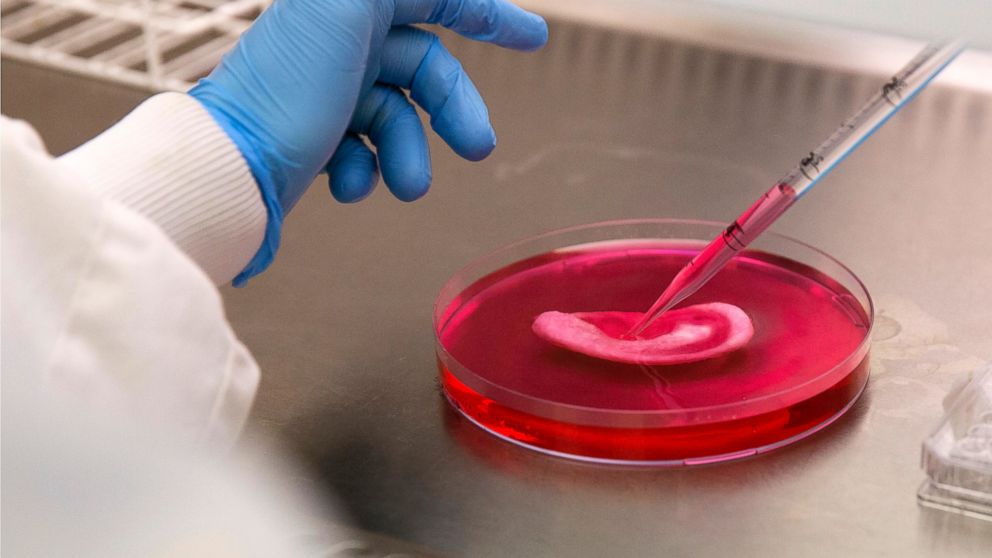
The Future of Medicine: The Promise of Growing Organs from Your Own Cells
In recent years, the world of medicine has seen incredible breakthroughs, and one of the most exciting developments is the ability to grow complex tissues and organs from a person’s own cells. Renowned theoretical physicist Michio Kaku has predicted that in the near future, medical science will evolve to the point where organ failure becomes a thing of the past. “Already from your own cells, scientists can grow skin, cartilage, noses, blood vessels, bladders, and windpipes. In the future, scientists will grow more complex organs, like livers and kidneys. The phrase ‘organ failure’ will disappear,” Kaku says. This vision of the future is not far from reality, and it opens up new possibilities for the treatment of organ diseases and the advancement of personalized medicine.
The idea of growing organs from one’s own cells may seem like science fiction, but it is grounded in a field of study known as regenerative medicine. Regenerative medicine involves the use of stem cells and tissue engineering to repair or replace damaged tissues and organs. Scientists have already made significant progress in creating functional tissues from a patient’s own cells, which greatly reduces the risk of rejection that can occur with donor organs.
For instance, researchers have successfully grown skin for burn victims, cartilage for joint repair, and blood vessels for patients with circulatory issues. Bladders and windpipes have also been successfully grown and transplanted into patients. These advances show that the process of growing organs is not only possible but is already being applied in clinical settings.
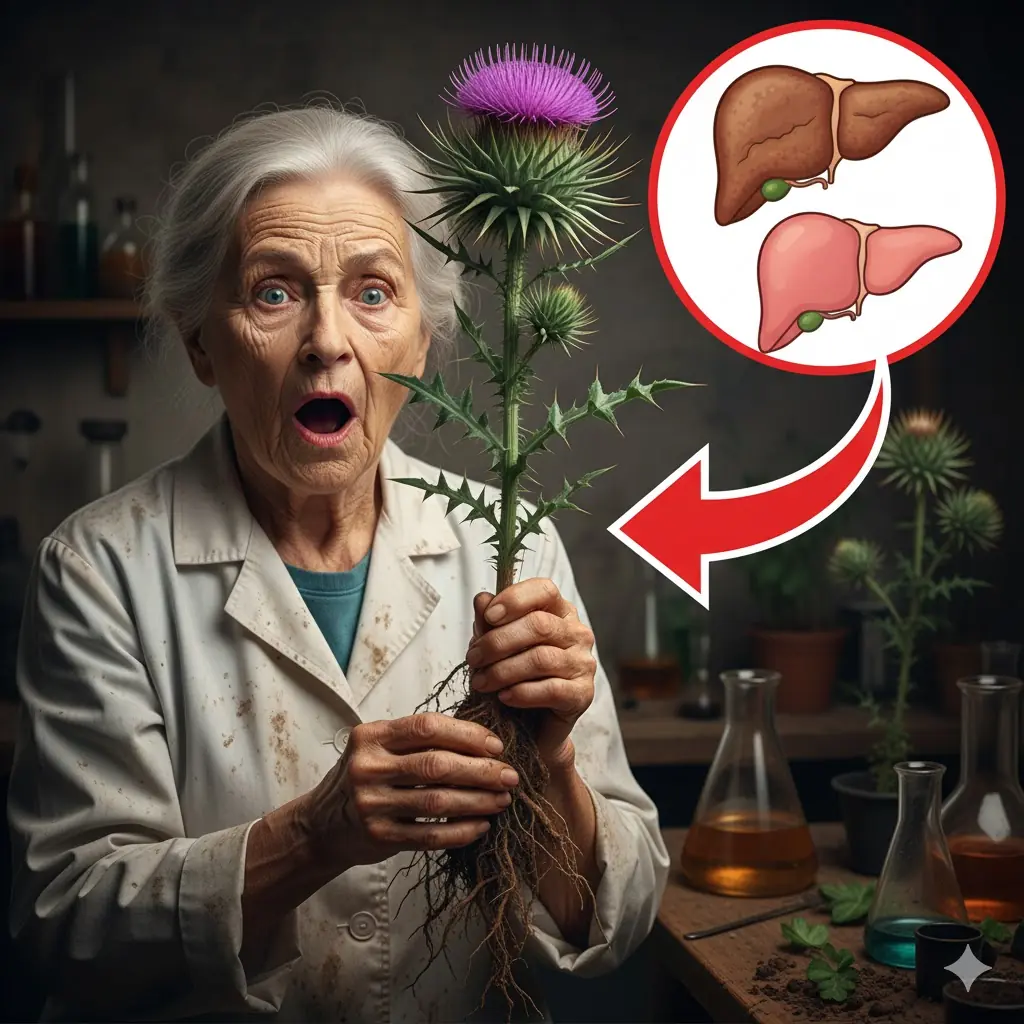
While growing simple tissues is already a reality, the challenge now lies in creating more complex organs, such as livers and kidneys. These organs have intricate structures and perform highly specialized functions that are difficult to replicate. However, scientists are making strides in this area. For example, researchers are working on developing liver tissue using stem cells, which could one day lead to fully functional, lab-grown livers for transplant. Similarly, scientists are exploring ways to grow kidneys and even heart tissues, which could alleviate the shortage of organs available for transplant.
One approach to growing complex organs involves using 3D bioprinting technology, which allows scientists to “print” tissues layer by layer using living cells. This technology has the potential to create organs with highly organized structures that mimic the complexity of human organs. With this technology, it’s possible that in the future, we could grow entire organs such as livers, kidneys, or even hearts from a patient’s own cells.
One of the most significant advantages of growing organs from a person’s own cells is the reduction of the risk of organ rejection. In traditional organ transplants, patients must take immunosuppressive drugs to prevent their bodies from rejecting the new organ, which can have harmful side effects. However, with lab-grown organs created from a patient’s own cells, the risk of rejection is dramatically reduced, as the organ is genetically identical to the patient’s body.
In addition, personalized organs would eliminate the need for long waiting lists and organ shortages. Every year, thousands of people around the world die waiting for organ transplants. By growing organs on demand, this crisis could be alleviated, offering new hope to patients in need.
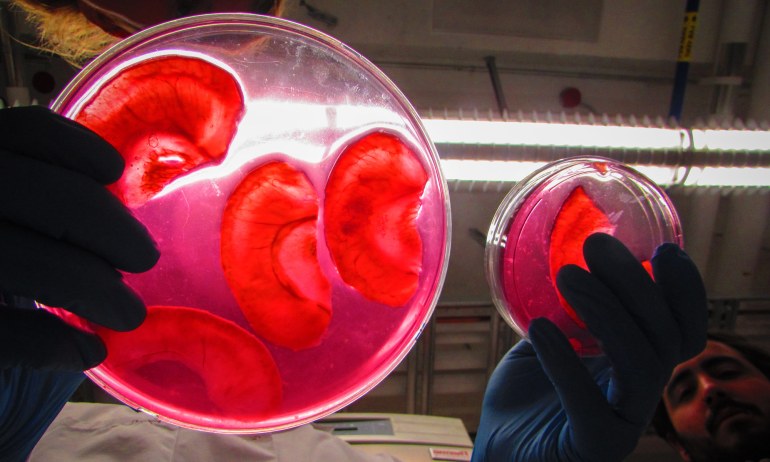
While the potential for organ growth is immense, there are still several hurdles to overcome. One of the biggest challenges is the complexity of replicating the full functionality of organs like the liver or kidney. Organs are not just collections of cells; they have complex vascular systems and intricate tissue structures that must work together to function properly. Scientists are still working to understand how to create these structures and ensure that lab-grown organs can perform all the necessary tasks.
There are also ethical considerations to address. As we move toward growing human organs in labs, questions around the use of stem cells, genetic manipulation, and the potential for organ trafficking must be carefully considered. These ethical issues will require regulation and oversight to ensure that the technology is used responsibly and safely.
Michio Kaku’s vision of a future without organ failure is one that seems increasingly achievable. As scientists continue to refine techniques for growing organs from a patient’s own cells, the possibilities for treating organ failure become limitless. The ability to create personalized, lab-grown organs could revolutionize medicine, eliminating the need for organ transplants and offering a future where organ failure is no longer a death sentence. While challenges remain, the promise of regenerative medicine is a beacon of hope for patients and families affected by organ failure, and it is a testament to the remarkable advances of modern science.