Sip Your Way to Vibrance: The Ultimate Lipton, Cloves, and Ginger Tea for Women’s Wellness
Health 05/12/2025 15:35
Could something as simple and inexpensive as vitamin D be the overlooked tool in the battle against heart attacks and strokes? It sounds almost unbelievable—but the latest research is making scientists and clinicians pause and re-evaluate long-held assumptions.
For years, vitamin D has been a nutritional superstar. It’s been tied to bone strength, immune performance, mood regulation, and even reduced cancer risk in certain observational studies. Yet when it comes to cardiovascular disease—the world’s leading killer—the evidence has always been frustratingly mixed.
Now, a new and more targeted clinical trial is challenging previous beliefs and offering a fresh perspective on how vitamin D might influence heart health, particularly for people at highest risk. If you’ve ever wondered whether vitamin D supplements, blood tests, or sun exposure habits actually matter for your heart, this is a breakthrough worth understanding.
Early observational research linked low vitamin D to a wide range of major health issues.
Large clinical trials failed to show broad benefits from giving vitamin D supplements to the general population.
A new study—the TARGET D trial—focused specifically on high-risk heart patients and delivered intriguing results.
While overall outcomes were modest, there was a striking drop in repeat heart attacks among those who optimized their vitamin D levels.
Routine high-dose supplementation remains controversial, but this evidence is encouraging doctors to reconsider old guidelines.
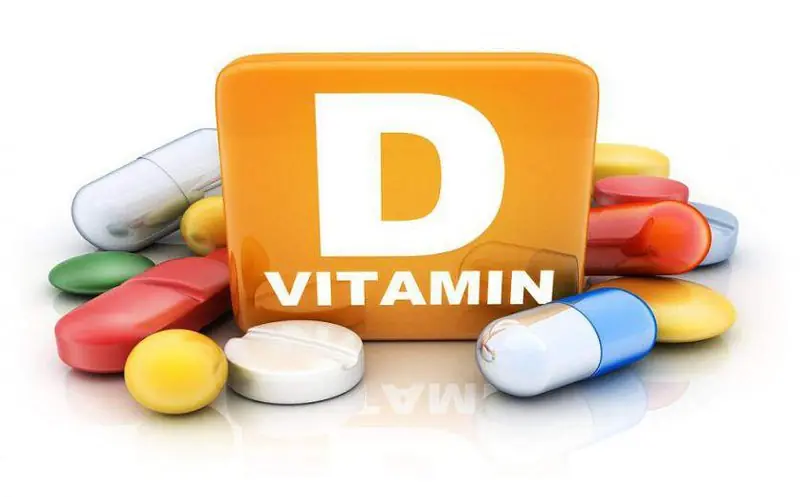
About ten years ago, vitamin D deficiency became a major public health topic. A flood of observational research showed strong associations between low vitamin D levels and a long list of serious conditions—autoimmune disorders, infections, diabetes, depression, and most notably, cardiovascular disease.
This triggered a worldwide surge in vitamin D testing and supplement sales. Many people believed raising vitamin D levels could dramatically reduce disease risk. But association doesn’t always mean causation, and soon, researchers set out to test the claims properly.
When scientists conducted large, rigorous trials—like the VITAL trial involving over 25,000 adults—the results were sobering. Vitamin D supplements didn’t lead to measurable reductions in heart attacks, strokes, or cancer.
Based on these disappointing findings, major medical organizations—including the Endocrine Society—softened their stance. They concluded that most people simply need to meet basic daily requirements (around 800 IU) and that routine blood testing wasn’t necessary unless someone had clear risk factors for deficiency.
It seemed like the vitamin D hype bubble had burst.
Things shifted when researchers decided to test vitamin D differently.
Instead of giving a standard dose to everyone, the TARGET D trial focused on patients with extremely high cardiovascular risk, such as individuals who had recently suffered a heart attack. Blood tests revealed that the majority of these patients had suboptimal vitamin D levels.
The trial then personalized supplementation, adjusting each person’s dose to reach a target blood level of 40 ng/mL or higher. This tailored approach is very different from previous trials where everyone received the same fixed dose regardless of their needs.
Participants were followed closely for four years while another group received standard care.
When looking at the full list of major cardiovascular events—death, hospitalization, repeat heart attacks, heart failure, and stroke—the difference between groups wasn’t statistically significant.
However, one outcome caught researchers’ attention:
To put it in simple terms:
For every 100 high-risk patients like “John” in the study, four fewer repeat heart attacks occurred in the vitamin D–optimized group over four years.
That might not seem dramatic at first glance, but for someone who has already had a heart attack, preventing even one recurrence can be life-changing.
Most earlier vitamin D trials were “one-size-fits-all.” Everyone took the same pill, regardless of whether they were severely deficient or already at healthy levels.
TARGET D took the opposite approach:
Test → Target → Adjust.
This mirrors how many other hormone-related therapies are managed. It raises an important question:
Have previous vitamin D trials failed simply because they didn’t tailor treatment to individual needs?
This study suggests that correcting true deficiency—not general supplementation—might be where the real benefit lies.
Before rushing to stock up on supplements, it’s important to consider the trial’s weaknesses:
The study wasn’t blinded, meaning patients and doctors knew who was taking vitamin D. This can influence behavior and expectations.
The primary outcome didn't reach statistical significance.
The impressive reduction in heart attacks, while encouraging, could still be a result of chance.
Some signals suggested possible increases in heart failure and stroke risk in the vitamin D group, although these weren’t statistically confirmed.
Biology is complicated—and vitamin D, being a hormone, is no exception. More isn’t always better.
People often assume that because vitamin D is natural, it must be harmless. But extremely high levels can cause:
calcium imbalances
kidney strain
heart rhythm issues
worsening of certain underlying conditions
The TARGET D findings remind us that pushing levels upward without medical supervision can create new risks.
Major medical societies have not changed their guidance based on this new research. For the average adult:
A moderate daily dose (around 800 IU) is sufficient.
Routine vitamin D testing is unnecessary unless you have risk factors like:
older age
obesity
limited sun exposure
darker skin
malabsorption conditions
While the new study is promising, it’s not enough to overhaul existing guidelines—yet.
If you’ve had a recent heart attack or are considered high-risk for cardiovascular disease, this study might justify discussing vitamin D testing with your doctor. Personalized supplementation could be beneficial in very specific situations.
For everyone else, the best approach remains:
sensible sun exposure
a nutrient-rich diet
moderate supplementation if you’re at risk
avoiding high-dose vitamin D unless medically supervised
This new research has shifted how I talk about vitamin D with patients. For those at high cardiovascular risk, sometimes a targeted test and individualized plan make sense.
As for me, I’m considering checking my vitamin D level for the first time—not because I believe high doses are a magic bullet, but because personalized data can sometimes guide smarter choices. Still, I’m sticking to evidence-based practice and avoiding unnecessary megadosing.
Vitamin D remains a fascinating, evolving topic in medicine. The story isn’t finished, and more studies are already underway. Until then, the foundations of heart health—nutrition, sleep, movement, and preventive care—remain the most powerful tools we have.