Turning Chicken Manure into Renewable Energy: The Netherlands' Circular Economy Solution
The Netherlands is setting an exemplary standard in transforming a significant environmental challenge into a powerful solution for both energy and sustainability.
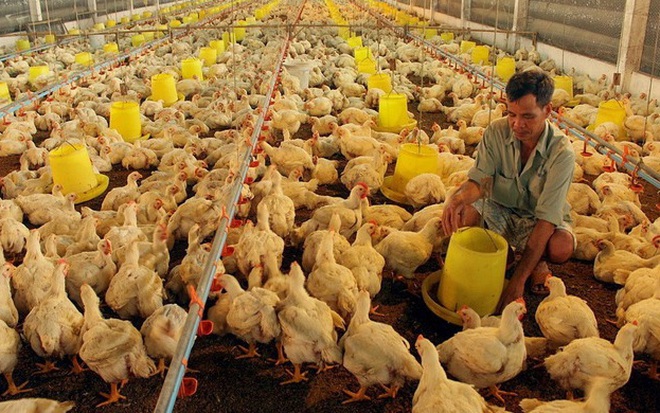
At the BMC Moerdijk power plant, a groundbreaking process takes place annually, where over 450,000 tons of chicken manure are utilized. Instead of allowing this waste to contribute to harmful emissions of ammonia and methane, the manure is incinerated in a controlled environment to generate renewable electricity. This innovative energy generation provides enough power to fuel tens of thousands of homes, demonstrating how waste can be converted into a valuable energy resource.
The process doesn't stop with just electricity generation. After the manure is burned, the remaining ash contains essential nutrients like phosphorus and potassium, which are crucial for agricultural growth. This nutrient-rich ash is then repurposed as a high-quality fertilizer, offering an alternative to traditional fertilizers that rely on mined minerals. By recycling the nutrients in the ash, the process reduces the need for extraction from the earth, thus decreasing the environmental impact of mining and promoting sustainable farming practices.
This closed-loop system addresses multiple environmental and agricultural challenges simultaneously. It:
Produces clean, renewable energy from waste material, helping reduce dependence on fossil fuels.
Manages surplus poultry waste in a sustainable manner, turning it into an environmentally friendly resource.
Supports agriculture by providing nutrient-rich fertilizer that enhances soil health and productivity.
Reduces harmful greenhouse gas emissions, such as ammonia and methane, by preventing their release into the atmosphere during waste processing.
Creates a circular economy model that benefits both the energy and agricultural sectors, turning waste into a valuable commodity.
This solution is a perfect example of how intelligent engineering and waste management can create sustainable and renewable value. It demonstrates how, through innovation, the Netherlands is not only solving waste disposal issues but also contributing to the global effort to combat climate change and promote sustainable practices.
By repurposing waste into both energy and fertilizer, the BMC Moerdijk plant is a model of circular economy principles in action. It showcases the potential of using waste as a resource, turning what would be an environmental burden into a key component of a sustainable and green future. The model sets an important precedent for other countries and industries looking to implement innovative solutions to their waste and energy challenges.
Sources:
"Waste-to-Energy Systems and Circular Economy" – International Energy Agency (IEA). https://www.iea.org
"The Role of Circular Economy in Agricultural Sustainability" – Food and Agriculture Organization (FAO). http://www.fao.org
"How the Netherlands is Leading Waste-to-Energy Solutions" – Dutch Ministry of Economic Affairs and Climate Policy. https://www.government.nl
"Sustainable Waste Management and Circular Economy" – European Commission. https://ec.europa.eu