How Long Can Frozen Meat Be Stored? Here’s the Answer
Tips 03/12/2025 23:25
Vinegar has long been celebrated as one of the most reliable, natural cleaners for everyday household tasks. Thanks to its acidity, it cuts through grime, dissolves mineral deposits, and refreshes surfaces without the harsh chemicals found in commercial cleaners. Yet despite its reputation, many people find that vinegar doesn’t live up to the hype—leaving behind streaks, cloudy windows, or dull surfaces.
These disappointing results often stem from misconceptions, incorrect dilution, or simply using the wrong type of vinegar.
This expanded guide explores the science behind how vinegar works, common mistakes that sabotage your results, and step-by-step instructions for using vinegar effectively—especially if your goal is streak-free windows and shiny surfaces. With the right approach, vinegar can become one of the most powerful and eco-friendly tools in your cleaning routine.
Vinegar’s effectiveness comes from acetic acid, which typically makes up 5–8% of standard household vinegar. This mild acid:
Breaks down mineral deposits such as limescale
Dissolves grease and grime by weakening the bonds between dirt and surfaces
Removes soap scum commonly found on glass or bathroom fixtures
Provides light disinfecting properties, reducing bacteria and some viruses
While not as strong as commercial sanitizers, vinegar’s ability to cut through buildup makes it ideal for routine cleaning. Its simplicity is part of its charm—one ingredient tackling multiple cleaning challenges.
Many cleaning frustrations happen because vinegar is used incorrectly. The most common mistakes include:
Undiluted vinegar can:
Damage surfaces
Leave streaks
Create a strong lingering odor
Etch certain materials
Diluting it properly ensures safety and performance.
Avoid using vinegar on:
Natural stone (marble, granite, travertine)
Stone tiles
Waxed wood surfaces
Electronic screens
Certain metal finishes (like cast iron)
The acidity can strip protective coatings or cause irreversible etching.
Apple cider vinegar and other varieties with color or additives can stain or leave residue.
For window cleaning, distilled white vinegar is the gold standard. It is:
Clear and colorless
Free of sugars or added compounds
Affordable and widely available
High in acidity for maximum cleaning power
Look for a minimum 5% acetic acid content. Higher concentrations (such as 6% cleaning vinegar) can be used for tougher jobs but must still be diluted.
A balanced mixture ensures cleaning strength without damage.
1 part distilled white vinegar
1 part water
2 parts vinegar
1 part water
Always test on a small area first, especially if you are unsure about the surface.
For a fresh scent, you can safely add:
A few drops of essential oils (lemon, lavender, eucalyptus)
A slice of lemon peel infused in vinegar for 1–2 days
These additions improve the aroma without reducing effectiveness.
Using the right tools makes all the difference.
Highly absorbent
Lint-free
Ideal for streak-free results
Reusable and eco-friendly
Perfect for windows, mirrors, and shower glass.
After each pass, wipe the squeegee blade to avoid transferring dirt back to the surface.
Choose a high-quality spray bottle with a fine mist setting for even distribution.
Dust first with a dry microfiber cloth to prevent smearing.
Spray the vinegar solution generously over the glass.
Wipe in circular motions to loosen dirt and oils.
Use a squeegee, starting at the top and pulling downward in smooth lines.
Wipe the edges and corners with a dry microfiber cloth to remove excess moisture.
For stubborn spots, repeat or use a slightly stronger vinegar solution.
Tip: Avoid cleaning windows on sunny days—the heat dries the solution too quickly and causes streaks.
Vinegar is incredibly versatile and works well on:
Spray and wipe in the direction of the grain for a polished finish.
Use the standard 1:1 solution and a microfiber cloth for a brilliant shine.
Vinegar dissolves calcium deposits around faucets, showerheads, and handles.
Spray, let sit for 3–5 minutes, then wipe clean.
Heat a bowl of vinegar and water for 3–4 minutes.
Steam loosens hardened food, making it easy to wipe away.
Heating vinegar in the microwave to release steam
Using vinegar on glass and mirrors
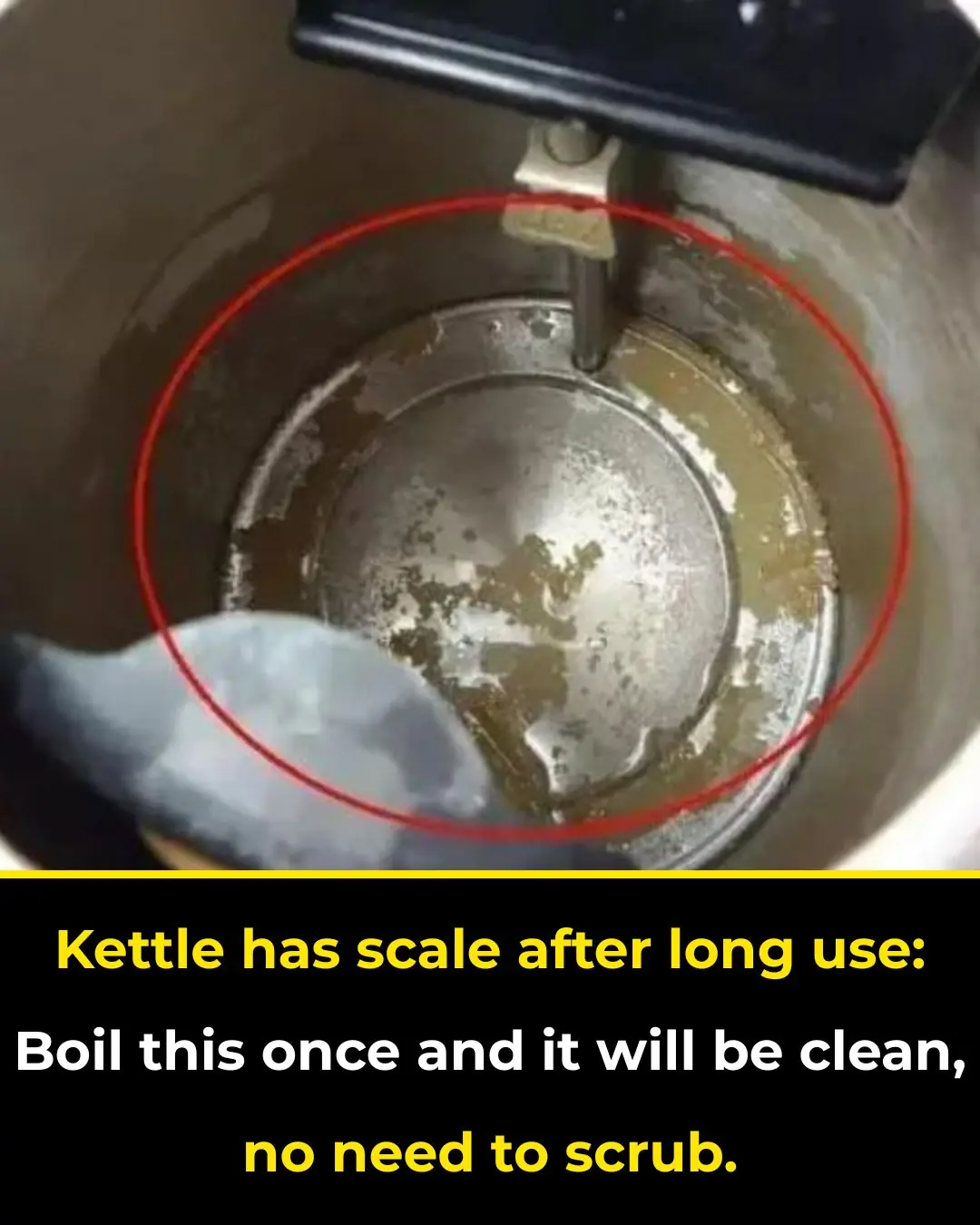
Descaling kettles and coffee makers (when diluted)
Brightening faucets and chrome fixtures
Cleaning hardwood floors — vinegar can strip protective coatings
Using vinegar in dishwashers — can harm rubber seals
Cleaning phone or TV screens — may damage coatings
Mixing vinegar with baking soda in a closed container — causes a reaction and pressure buildup
Never mix vinegar with bleach — it creates toxic chlorine gas.
Avoid mixing vinegar with hydrogen peroxide in the same container.
Use gloves if you have sensitive skin.
Work in a ventilated area to avoid inhaling strong fumes.
Keep vinegar out of reach of pets and children.
Vinegar is one of the most environmentally friendly options available:
Biodegradable and non-toxic
Leaves no harmful residues
Reduces dependence on chemical cleaners
Cuts down on packaging waste
Safe for septic systems
For households looking to transition to greener living, vinegar is an easy and affordable starting point.
Q: Can vinegar remove mold and mildew?
A: Yes, vinegar can help. Spray undiluted vinegar, let it sit for up to an hour, then scrub the area. Severe mold should be addressed by professionals.
Q: Is vinegar safe for every surface?
A: No. Avoid natural stone, waxed surfaces, touchscreen electronics, and certain woods.
Q: How often should I clean windows with vinegar?
A: Every 2–3 months is ideal, or more frequently if you live in a dusty or humid environment.