Sleeping with Cats …The Biggest Health Risk
Health 27/07/2026 16:28
Your heart works tirelessly for you every single day—beating over 100,000 times, pumping blood to every corner of your body. Yet, when it starts to struggle, the signals it sends are often misunderstood or ignored. Many people dismiss these signs, blaming them on aging, stress, or being out of shape. But these early symptoms could be subtle warnings of something far more serious: heart failure.
Contrary to what many think, heart failure isn’t a sudden breakdown like a heart attack. It’s usually the result of gradual wear and tear—silent stressors that weaken your heart over time. The good news? It’s not inevitable. If you recognize the early warning signs and make smart lifestyle changes, you can protect your heart and possibly reverse early damage.
Let’s take a closer look at what your heart may be trying to tell you—before things get serious.
Heart failure is a slow, progressive condition—not usually a one-time event.
Early signs are often dismissed, leading to delayed diagnosis.
Understanding how the heart works helps explain why certain symptoms appear.
Lifestyle plays a massive role in both prevention and management.
The earlier you act, the more power you have to support your heart's function.
Think of your heart as a powerful four-chambered pump. Here's a quick breakdown:
Blood from your body enters the right atrium, then flows to the right ventricle, which pumps it into your lungs to get oxygen.
Oxygenated blood then returns to the left atrium, and from there to the left ventricle, which pumps it out to the rest of your body.
The left ventricle is your heart’s main engine—it pushes blood through your arteries to supply oxygen to your brain, muscles, and organs. If this pump becomes weakened, the entire system slows down or backs up. That’s when the warning signs begin to appear—often subtly at first.
Over time, if the heart struggles to pump efficiently, fluid can build up in the lungs, legs, and even the abdomen. Tissues start receiving less oxygen, and everyday tasks can feel exhausting. But these signals can be easy to overlook... until things get worse.
If you're gasping for air after climbing stairs or walking a short distance, it may not be “just getting older.” A weakening left ventricle can cause fluid to build up in your lungs, making oxygen exchange harder. You might feel like you’re breathing through a straw—or underwater.
This is not the same as chest pain from a heart attack. It’s a slower onset of breathing difficulty, often missed or brushed off.
Feel constantly drained—even after a full night’s sleep? If your heart isn’t pumping enough blood, your muscles and organs won’t get the oxygen they need to function. Your energy supply runs low, leaving you exhausted after tasks that once felt easy.
When blood flow is poor, your heart may try to “catch up” by beating faster or irregularly. These palpitations are your heart’s way of compensating, but ironically, they often make things worse by giving the heart less time to refill between beats.
This can feel like your heart is racing, fluttering, or skipping beats—even at rest.
Fluid buildup in the lungs doesn’t just make breathing harder—it can trigger coughing. You may notice a chronic, dry cough, or even cough up frothy or pink-tinged mucus, especially when lying down. This is a red flag that fluid is leaking into your airways.
Did you gain 2–5 pounds in a matter of days without a change in diet or exercise? It could be fluid retention, not fat. When the heart slows down, your kidneys may overcompensate by holding onto salt and water, causing swelling and weight gain.
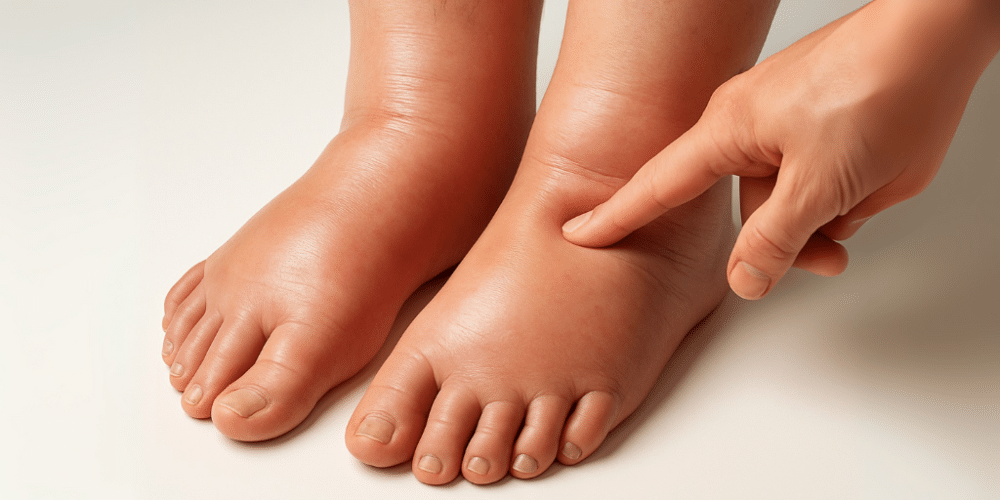
Your lower body often shows heart failure signs first. Gravity causes fluid to pool in your legs and feet, especially if the right side of your heart is struggling. Shoes may feel tighter, or socks leave deep impressions on your skin.
When you lie down at night, fluid from your legs re-enters your bloodstream, triggering your kidneys to ramp up urine production. This leads to multiple trips to the bathroom—and disrupted sleep.
If lying flat makes you feel like you’re suffocating or coughing, you might be experiencing fluid shifting into the lungs. Many with early heart failure find relief by sleeping with extra pillows or even upright in a recliner.
If simple tasks—like walking the dog, grocery shopping, or climbing stairs—suddenly feel overwhelming, it may not be your age or weight. It could be your heart failing to deliver enough oxygenated blood to meet your muscles' needs.
This is a lesser-known but important sign. When the right side of the heart fails, pressure can build up in the abdominal cavity, leading to bloating, discomfort, or even nausea as organs are compressed by trapped fluid.
Heart failure isn’t caused by one single factor. Instead, it's usually the result of multiple stressors over time. Here are the most common culprits:
High Blood Pressure (Hypertension): Constant pressure makes the heart work harder, wearing it out faster.
Heart Attacks: Damage from a heart attack leaves the heart weaker and less efficient.
Diabetes and Insulin Resistance: These reduce the flexibility of blood vessels and strain the heart.
Obesity: Extra weight increases the heart's workload and often comes with inflammation.
Smoking: Narrows arteries and damages the heart muscle directly.
Chronic Alcohol Use or Toxins: Can weaken or scar heart tissue.
Heart Valve Problems: If the valves leak or don’t open properly, your heart has to overwork.
Sleep Apnea or Lung Disease: Makes it harder for oxygen to enter your bloodstream, stressing the heart.
Many of these causes are preventable or manageable—especially when caught early.
Preventing and managing heart failure requires a total lifestyle approach—not just medications. It comes down to three powerful areas:
Eliminate ultra-processed foods, added sugars, and refined oils.
Focus on whole, nutrient-dense foods: vegetables, leafy greens, omega-3-rich fish, nuts, seeds, and quality proteins.
Supplements that support heart health include fish oil, magnesium, CoQ10, potassium, vitamin D, and nutrients that regulate homocysteine (like B vitamins).
You don’t need intense workouts. Even walking 20–30 minutes daily improves circulation and heart strength.
Movement supports lymphatic drainage and reduces fluid buildup.
Avoid being sedentary for long stretches—get up every hour if possible.
Chronic stress and negative emotions increase blood pressure and inflammation.
Mindfulness, deep breathing, and practicing emotional resilience can dramatically lower the heart’s workload.
Decide each day to take charge of your mental state. How you respond to stress matters more than the stress itself.
Heart failure doesn’t usually strike overnight. It creeps in gradually, giving you many chances to intervene—if you know what to look for.
If you’re experiencing more than one of these early signs, don’t ignore them. Talk to a healthcare provider, make lifestyle adjustments, and consider holistic support.
Remember: your heart never stops working for you. Give it the support it deserves—and it can continue to serve you for decades to come.