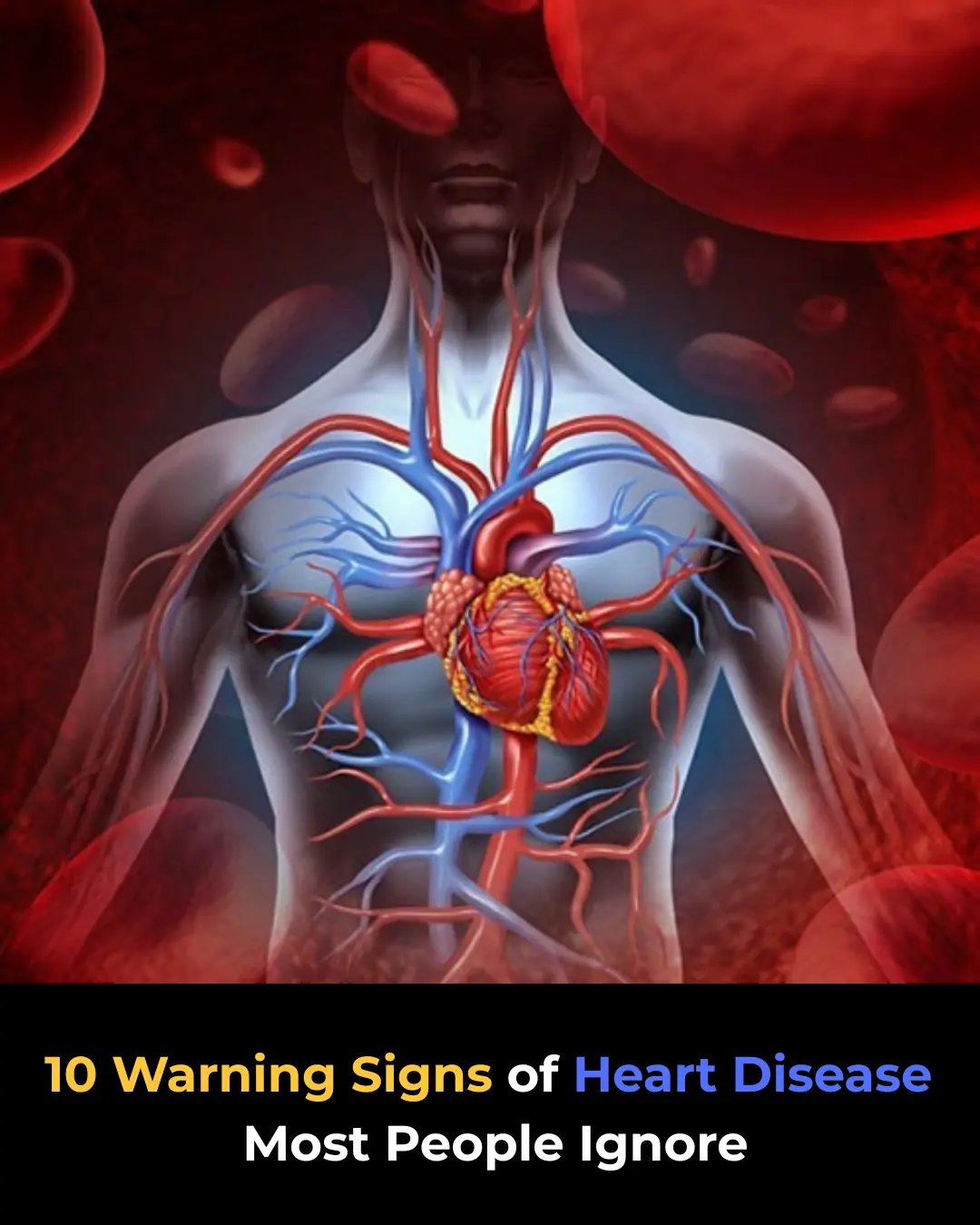
10 Warning Signs of Heart Disease Most People Ignore
Health 06/12/2025 16:03
While visible veins may seem unattractive to some people, they are usually harmless and often appear due to temporary factors. Exercise, exposure to heat, tight or restrictive clothing, certain skin tones, and prolonged time spent in the sun can all cause veins to look more prominent for short periods. Age, excess body weight, hormonal changes, and genetics further increase the likelihood of noticeable veins. These enlarged or twisting veins are most commonly found just beneath the skin surface, especially on the legs and feet, where gravity places greater pressure on circulation. In rare cases, however, bulging veins may signal underlying medical issues such as blood clots. If prominent veins appear alongside significant discoloration, pain, or discomfort, it’s important to seek a medical evaluation.
Veins play a vital role in carrying deoxygenated blood back to the heart. Bulging veins occur when weakened or damaged vein walls prevent blood from moving upward efficiently, causing it to pool. Healthy veins depend on one-way valves that stop blood from flowing backward. When these valves malfunction — a condition known as venous insufficiency — blood accumulates, stretching the vein and making it more visible beneath the skin. According to Cleveland Clinic, valve failure is one of the primary triggers behind both varicose and spider veins, particularly in the legs where pressure is highest.
Blood pooling may affect both large and small vessels. When the tiniest vessels, the capillaries, become congested, they form spider veins. These appear as thin, web-like red or blue patterns on the face, legs, or ankles. Unlike varicose veins, spider veins lie flat against the skin and typically do not cause pain or swelling. They are mostly cosmetic, though persistent cases may indicate underlying circulation issues. Johns Hopkins Medicine notes that spider veins often develop from hormonal shifts, prolonged standing, sun damage, or genetic predisposition.
Several conditions increase the likelihood of developing prominent veins. Natural aging thins skin and weakens vein walls, which is why older adults frequently experience more visible veins. Hormonal changes — including pregnancy, menopause, or the use of birth control — can weaken vein structure and valve function. Spending long hours sitting or standing causes poor blood flow and elevated pressure in the leg veins, making bulging veins more likely. The Mayo Clinic highlights that lifestyle habits, weight gain, and a sedentary routine significantly increase risks over time.
While spider veins are usually harmless, varicose veins — their larger, more swollen counterpart — require closer attention. These enlarged, twisting veins often cause discomfort rather than being just a cosmetic concern. Many people report aching, heaviness, or burning sensations in their legs. Long periods of standing or sitting may intensify the feeling of fatigue or cramping. Swelling around the ankles is also common. Some individuals experience itching, irritation, or gradual skin discoloration that ranges from brownish spots to reddish patches. Symptoms often worsen throughout the day but tend to improve with leg elevation or rest.
Genetics is one of the strongest predictors of whether a person will develop bulging veins. Family history greatly increases the likelihood of vein weakness. Research cited by the American Vein & Lymphatic Society indicates that women are nearly twice as likely as men to develop varicose veins, largely due to hormonal changes associated with pregnancy, menstruation, and menopause. Being overweight places added stress on leg veins, limiting blood flow. Age is also a major factor — by age 50, nearly 40% of women and 20% of men experience vein-related problems.
While spider veins pose little risk, untreated varicose veins can lead to significant medical issues. When veins can no longer move blood efficiently back to the heart, chronic venous insufficiency may develop. This condition causes long-term swelling, skin thickening, and painful inflammation. One of the most severe complications is venous ulcers — slow-healing wounds near the ankles caused by poor circulation. These ulcers are prone to infection and may require specialized care.
Blood clots are another serious concern. Superficial veins may develop superficial thrombophlebitis, while deeper veins may develop deep vein thrombosis (DVT), a potentially life-threatening condition. If a clot travels to the lungs, it can cause a pulmonary embolism — a medical emergency that requires immediate attention. According to the American Heart Association, untreated DVT can be fatal, emphasizing the importance of early detection.
Although genetics cannot be changed, several lifestyle adjustments can significantly reduce the risk of developing bulging veins. Regular exercise strengthens leg muscles and promotes healthy circulation. Taking frequent breaks from extended periods of sitting or standing prevents blood from pooling. Maintaining a healthy weight reduces pressure on leg veins. Compression stockings, especially during long flights or sedentary workdays, can support proper blood flow. Elevating the legs and avoiding restrictive clothing around the waist or thighs also help minimize pressure on the veins.
While spider veins are typically harmless, varicose or bulging veins should not be ignored if symptoms worsen. Sudden swelling, pain, or warmth in the leg may indicate deep vein thrombosis — a condition that requires emergency treatment. Any open wounds or ulcers near swollen veins demand immediate medical care to prevent infection. Even minor bleeding from bulging veins should be treated as urgent, as the underlying vein pressure may be dangerously high. Changes in skin color or texture around affected areas may signal worsening venous insufficiency. Anyone experiencing persistent discomfort, swelling, or limitations in daily activities due to bulging veins should consult a vascular specialist for proper diagnosis and treatment options.