Cloves to Eliminate Nail Fungus Naturally
Health 11/12/2025 01:19
It is estimated that about twenty percent of all adults will develop varicose veins at some point in their lifetime. They tend to be more common in women than men, and more than forty percent of women have some kind of varicose vein condition including spider veins, with the prevalence of these venous diseases increasing with age. By the age of eighty, up to eighty percent of women have some kind of venous disease
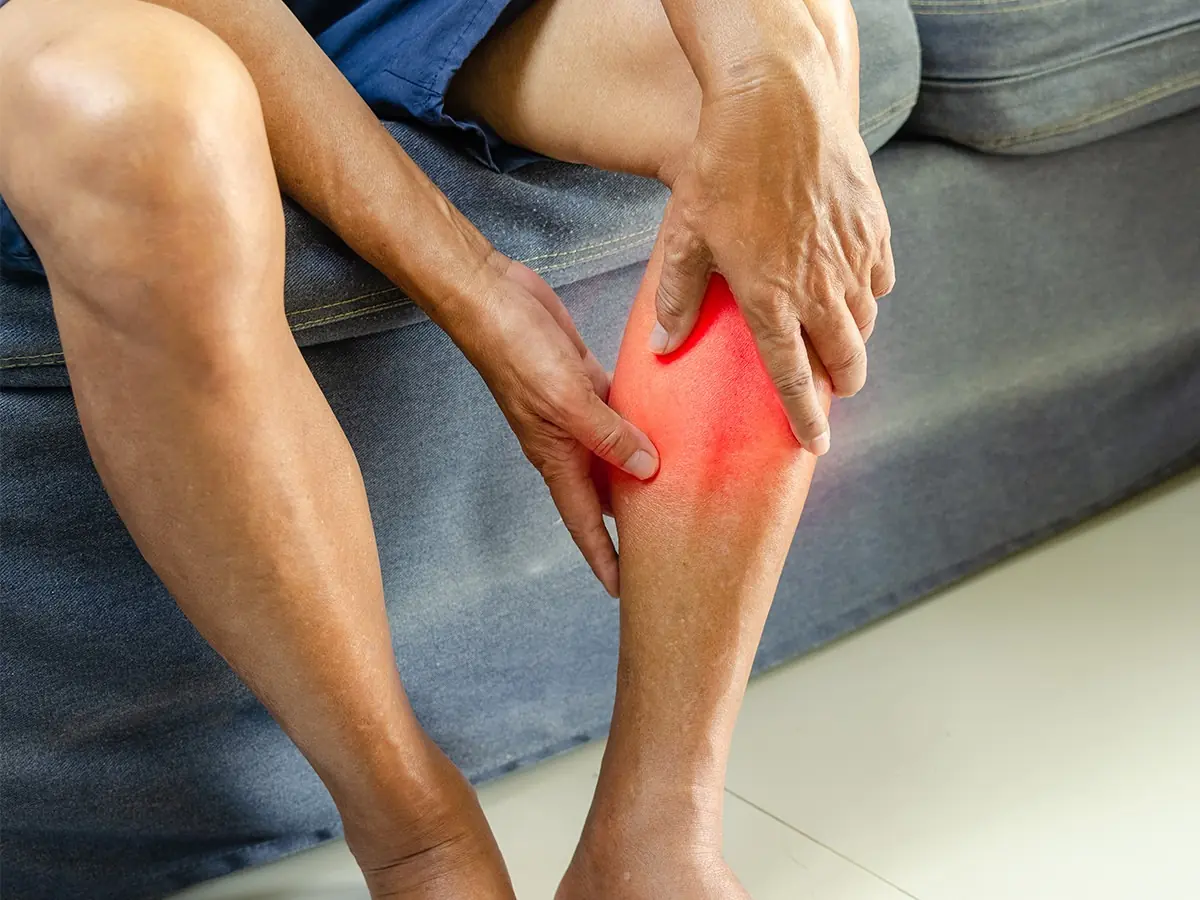
Varicose veins cause rather unsightly, highly visible, misshapen veins to appear on your legs, which can sometimes be painful, and cause swelling, heaviness, and achiness around the affected area. Unfortunately, you cannot completely get rid of this condition without medical intervention, however, there are some steps you can take to prevent spider or varicose veins from worsening or to slow down their development.

Although these two terms occasionally get interchanged, they are two different conditions that are related, but have a few key differences.
Spider veins are also known as superficial leg veins. They occur when tiny veins congregate below the skin’s surface and cause red, blue, or purple discolorations. They can be quite small, but can also be large and noticeable, however they are not dangerous to your health. In most cases, spider veins are treated for cosmetic reasons only
Varicose veins are swollen, twisted veins that lie beneath the skin’s surface, and like spider veins, typically occur on the legs

The exact cause of spider veins is unknown, however, most experts agree that a variety of factors, like heredity, pregnancy, trauma, aging, sun damage, and hormonal influences are the primary factors contributing to the condition Varicose veins, on the other hand, are caused by weak or damaged vein walls and valves. They could form whenever the blood pressure in your veins increases, which could happen as a result of pregnancy, constipation, a tumor, or if someone is overweight or obese All veins have one-way valves inside them that open and close to ensure blood continues to flow to the heart. If these become damaged or weakened, blood can start to pool or even flow backward, a condition called reflux. When this happens, veins can become large and distorted, causing varicose veins
Although varicose veins occur most commonly in the legs, they can also happen in other parts of the body. For example, hemorrhoids are a type of varicose vein that occurs in the rectum, varicoceles occur in the testicles, and varicose veins can also appear in the esophagus, stomach, or liver. People who are older, who sit or stand for long periods of time, have an inactive lifestyle, are overweight or obese, or who have a family history of varicose veins or deep vein thrombosis are at a higher risk for developing varicose veins, as well as pregnant women, or women who have had multiple births