This red, scaly patch won’t go away. It's all over my forehead and doctor isn't answering me. What is it?
Tips 08/01/2026 21:20
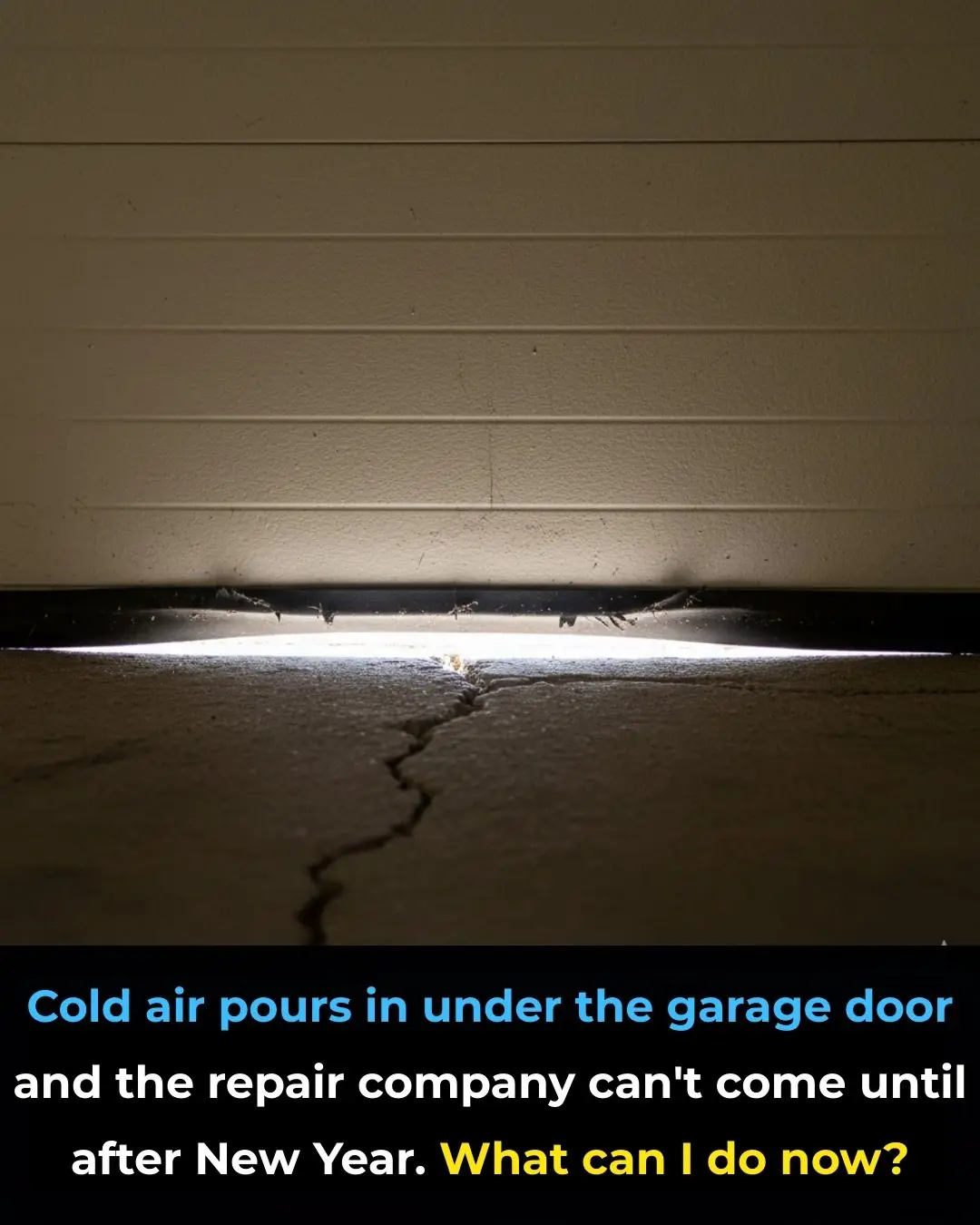
As winter temperatures plunge, a drafty garage can quickly turn from a minor inconvenience into a serious problem. Cold air pouring in under the garage door doesn’t just make the garage uncomfortable—it can also lower temperatures in adjoining rooms, strain your heating system, and increase energy bills. When a repair company can’t arrive until after the New Year, homeowners are often left wondering how to cope in the meantime.
The good news is that there are several effective, temporary solutions you can implement on your own to reduce heat loss and block cold drafts. From quick household fixes to simple DIY insulation tricks, the following strategies can help you maintain warmth, improve comfort, and protect your home until professional repairs are available.
Before applying any fix, it’s essential to determine exactly where the cold air is entering. While the bottom of the garage door is often the main culprit, drafts can also seep in from the sides or top.
Use a flashlight at night to shine along the edges of the closed door and look for light leaking through. Alternatively, hold a candle or incense stick near the door seams—if the flame flickers or smoke moves, you’ve found an air leak. Measure the size and location of each gap so you can choose the most effective temporary solution.
Also inspect the door for warping, misalignment, or damaged tracks, as these issues can create uneven gaps that allow more cold air inside.
Weatherstripping tape is one of the quickest and most affordable fixes for small gaps under a garage door. Available at most hardware stores, this peel-and-stick material is easy to install and can noticeably reduce drafts.
Clean the bottom edge of the door first to ensure good adhesion. Cut the tape to the width of the door and press it firmly into place, making sure it contacts the floor when the door is closed. While this is not a long-term solution—especially in wet or icy conditions—it can provide immediate relief until proper repairs are made.
For larger or more uniform gaps, a homemade draft stopper can work surprisingly well. Pool noodles or foam pipe insulation are lightweight, inexpensive, and easy to shape.
Cut the material to match the width of your garage door, then slice it lengthwise so it can fit snugly against the bottom edge. Secure it with duct tape or zip ties. This creates a soft but effective barrier that blocks cold air while remaining easy to remove when repairs begin.
If you need a solution immediately and don’t have special materials on hand, household fabrics can help. Roll up old towels, blankets, or rugs and place them tightly along the bottom of the garage door.
This method won’t create an airtight seal, but it can significantly reduce airflow and cold drafts. It’s also easy to adjust—simply reposition or add layers if you notice cold spots forming.
For a sturdier short-term fix, consider making a makeshift threshold. Measure the width of the door opening and cut a piece of thick cardboard or plywood to fit along the base of the door.
Secure it to the floor with heavy-duty tape or removable adhesive. This barrier can block wind and reduce heat loss more effectively than fabric alone. Just be mindful of moisture exposure and remove the threshold if it becomes wet or damaged.
If your garage is used as a workspace or storage area, adding an internal wind barrier can help retain warmth. Hang plastic sheeting or a tarp from the ceiling down to the floor behind the garage door.
Secure the top edge with nails, hooks, or adhesive strips, and weigh down the bottom to prevent movement. This extra layer reduces air circulation and acts as a temporary insulation wall, making the space noticeably warmer.
Cold air doesn’t only come from underneath the door. Gaps along the sides and top can also contribute to drafts. Foam strips combined with painter’s tape provide a simple temporary seal.
Apply the foam along the door frame so it compresses when the door closes. Use painter’s tape to hold everything in place without damaging surfaces. This approach helps reduce overall airflow and improves insulation until permanent weatherstripping can be installed.
Adding insulation directly to the garage door can improve temperature control. Foam board insulation or reflective insulation wrap can be cut to size and placed inside the door panels.
Attach the insulation with double-sided tape or adhesive strips. This added layer helps block cold air and keeps warmer air inside, improving both comfort and energy efficiency.
If you decide to use a space heater, safety must come first. Choose a heater with tip-over protection and automatic shut-off. Place it on a stable, non-flammable surface and keep it well away from fabrics, cardboard, or stored items.
Never leave a space heater unattended, and avoid using fuel-burning heaters in enclosed spaces due to carbon monoxide risks. When used correctly, a space heater can provide temporary warmth without compromising safety.
To protect your home’s interior temperature, ensure the door connecting the garage to the house is tightly sealed. Use a door draft stopper, weatherstripping, or even a rolled towel along the bottom.
Adding a heavy curtain or insulated blanket over the door can provide an extra layer of protection, preventing cold air from creeping into your living spaces and increasing heating costs.
If the garage door’s bottom seal is cracked or deteriorating, a temporary patch can help. Clean the area thoroughly, then apply duct tape or adhesive sealant over the damaged sections.
If you have access to a replacement seal and basic tools, you may be able to perform a DIY replacement. While not perfect, this can provide a more durable short-term solution until a technician can complete permanent repairs.
Temporary fixes are helpful, but professional repair is ultimately necessary. When scheduling service, ask about part availability, estimated costs, and warranties. Clearly explain the issues you’ve identified so the technician arrives prepared.
Taking photos of the gaps, seals, and door alignment can also help speed up the diagnosis and repair process. Proper repairs will ensure your garage remains warm, efficient, and protected throughout the rest of winter.
A drafty garage door in the middle of winter can be frustrating—especially when professional help is delayed. Fortunately, with a little creativity and basic materials, you can significantly reduce cold air intrusion and protect your home until repairs are completed.