Cloves to Eliminate Nail Fungus Naturally
Health 11/12/2025 01:19
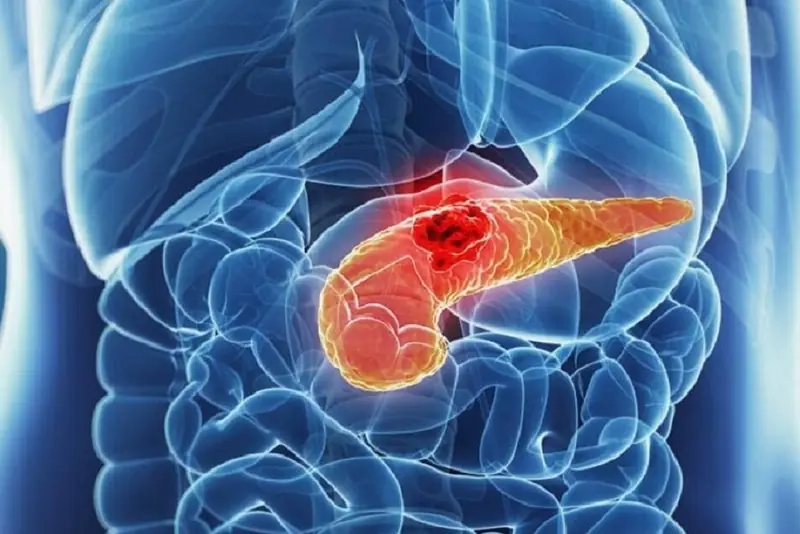
While fatty liver disease has received significant attention in recent years, a lesser-known but equally dangerous condition is becoming alarmingly common: fatty pancreas disease, or pancreatic steatosis. This occurs when excess fat accumulates within the pancreas — an organ essential for digestion and blood sugar regulation.
Because symptoms appear late and imaging is rarely performed unless a problem is suspected, many people live for years with fatty pancreas without knowing it. Recent research shows strong links between pancreatic fat, diabetes, obesity, chronic inflammation, and pancreatitis.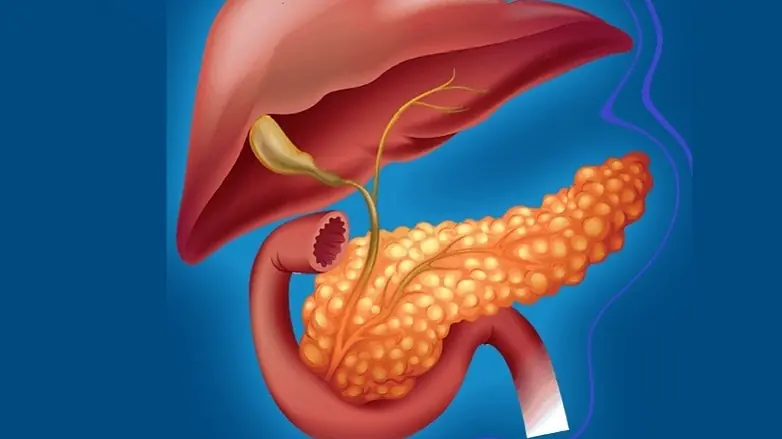
Fatty pancreas disease occurs when fat cells infiltrate the pancreas. Over time, the organ becomes weaker, less efficient, and more vulnerable to inflammation.
Scientists now believe pancreatic fat is not simply “stored fat” — it actively triggers:
Insulin resistance
Inflammation
Cell damage
Digestive dysfunction
This makes it a powerful predictor of future metabolic diseases.
A healthy pancreas is vital for:
Digestive enzyme production
Blood sugar control (insulin & glucagon)
Hormonal balance
When fat accumulates in the pancreas, these functions gradually break down, leading to:
Pre-diabetes and diabetes
Chronic pancreatitis
Malabsorption
Weight gain
Severe digestive issues
Fatty pancreas is called a “silent threat” because symptoms are vague or mistaken for other issues:
Mild upper abdominal discomfort
Bloating after meals
Nausea
Irregular bowel movements
Chronic fatigue
Elevated blood sugar
Sudden weight gain, especially around the abdomen
Many people attribute these signs to stress, poor sleep, or overeating.
The condition is strongly linked to:
Excess belly fat is one of the strongest predictors of pancreatic fat.
High intake of:
• Processed foods
• Sugary drinks
• Refined carbs
• Fried foods
• Saturated fats
A cycle begins: fat increases insulin resistance → insulin resistance leads to more fat storage → pancreas becomes overwhelmed.
Up to 70% of people with fatty liver also have fatty pancreas.
Fatty pancreas is discovered through:
Abdominal ultrasound
CT scan
MRI / MRCP
Endoscopic ultrasound (EUS)
Because the condition is not widely recognized, many doctors find it accidentally while scanning for something else.
Ignoring fatty pancreas can lead to:
The pancreas struggles to produce enough insulin.
Inflammation leads to long-term damage and worse digestive function.
The organ stops producing enzymes properly.
Due to strong metabolic links.
There is no pill that removes pancreatic fat. The only proven treatment is lifestyle change.
Reduces fat inside organs dramatically.
Vegetables, fruits, legumes
Whole grains
Omega-3 rich foods (fish, chia, walnuts)
Minimal added sugars
Healthy fats (olive oil, avocado)
150 minutes/week moderate intensity
Strength training 2–3× weekly
Fermented foods & fiber help reduce inflammation.
Fatty pancreas disease may be silent, but it is far from harmless. The sooner it is detected, the more manageable it becomes. With the right lifestyle adjustments, the pancreas can recover, drastically reducing risks of diabetes, pancreatitis, and long-term metabolic conditions.