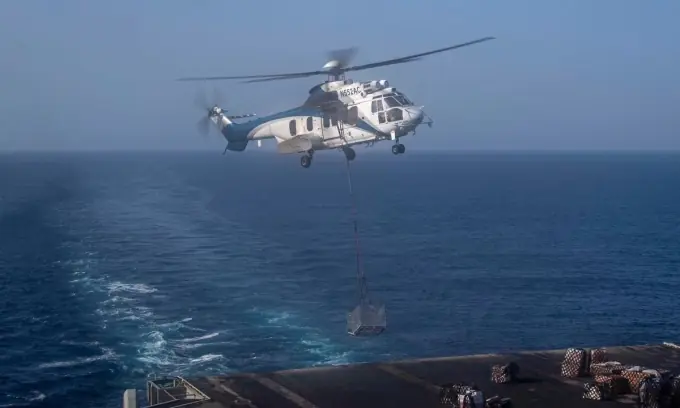
The Iranian ship may have been carrying 'dual-use cargo' when it was seized by the US
News 21/04/2026 16:42
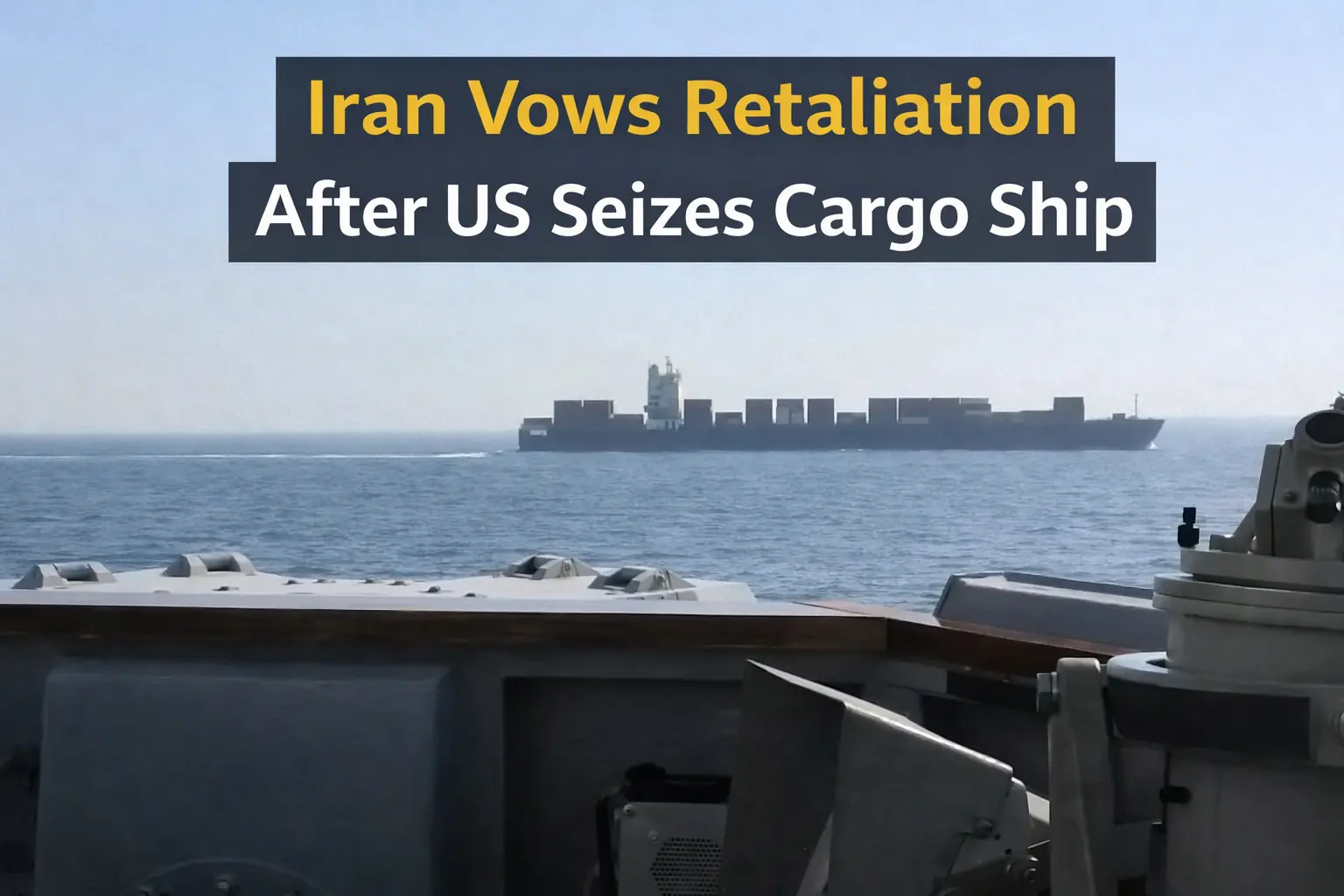
Tensions between the United States and Iran have escalated once again after a controversial cargo ship seizure at sea sparked international backlash. Tehran has accused Washington of committing “piracy,” while the US insists the move was a necessary enforcement action.
The incident comes at a fragile moment, as both sides were operating under a temporary ceasefire. Now, analysts warn that even a single misstep could push the region back toward open confrontation.
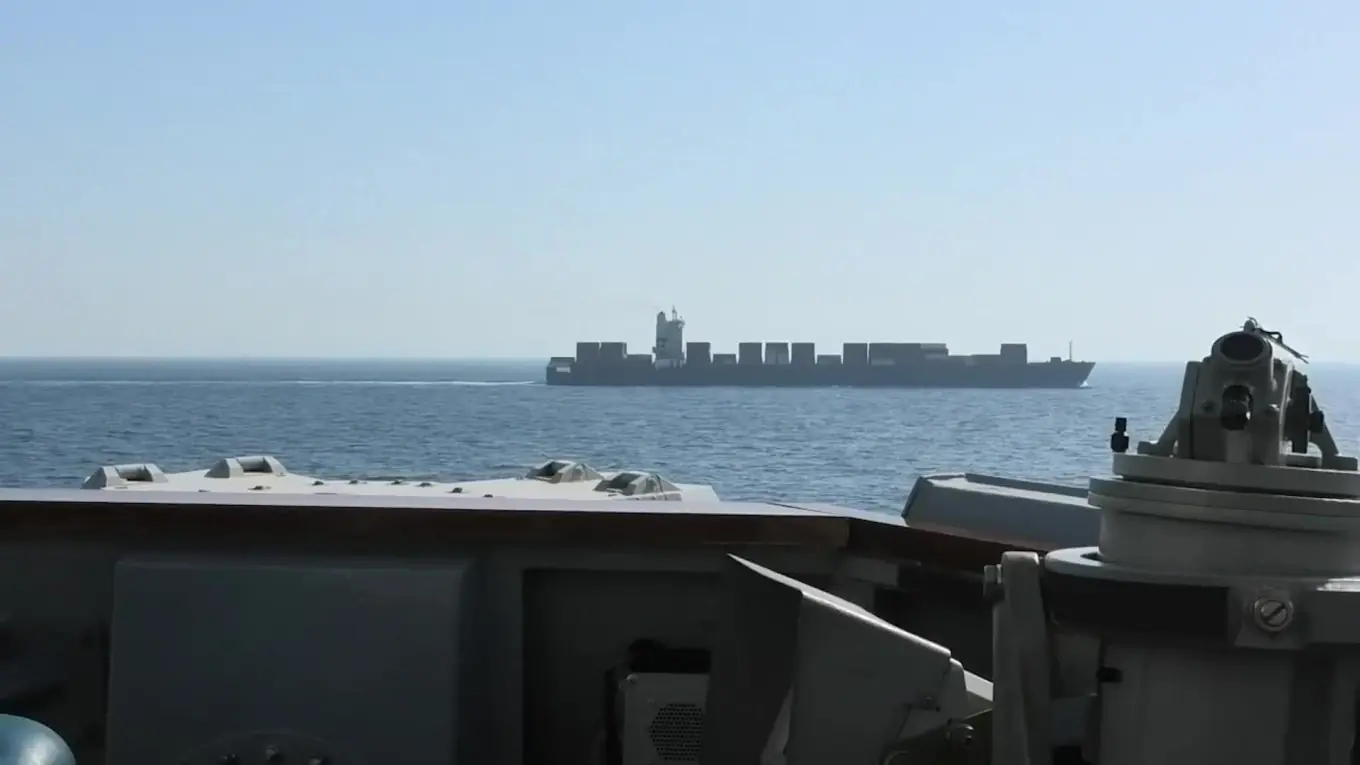
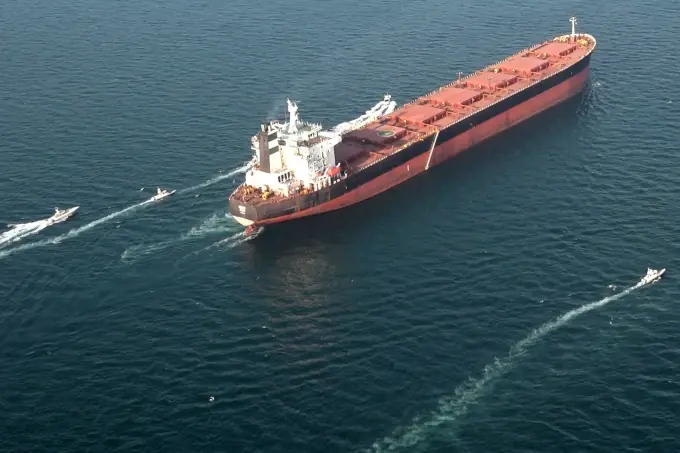
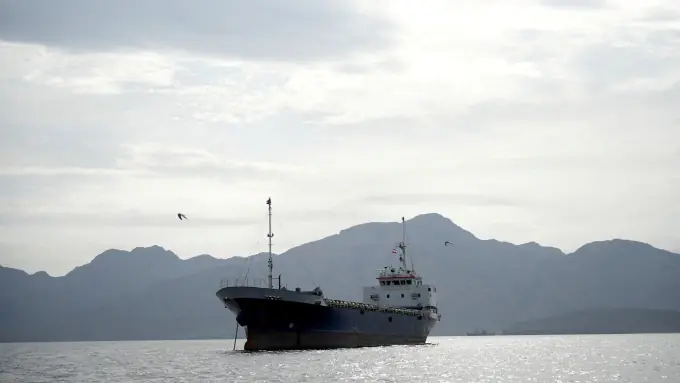
According to US Central Command, American naval forces intercepted and seized an Iranian-flagged cargo vessel named Touska near the Gulf of Oman. Officials claim the ship failed to comply with inspection orders under an ongoing maritime blockade targeting Iranian ports.
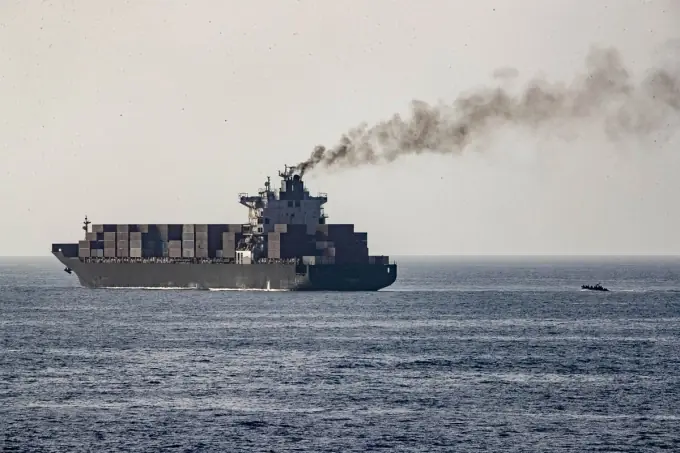
Since the enforcement campaign began on April 13, US forces have reportedly turned back dozens of commercial ships or forced them to return to Iranian ports.
From Washington’s perspective, the operation is part of a broader strategy to restrict Iran’s maritime activity and apply economic pressure.
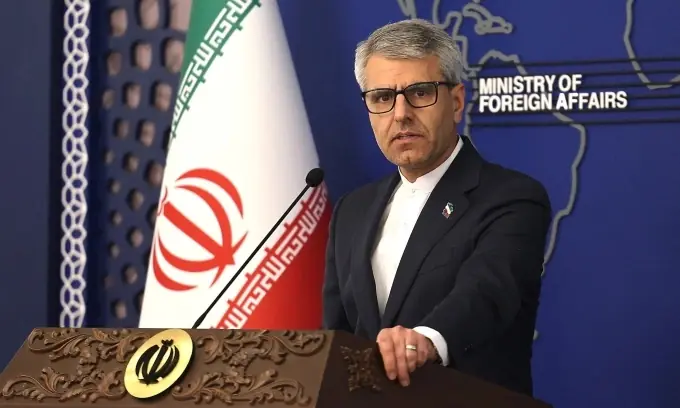
Iran quickly reacted with outrage. The country’s Foreign Ministry described the seizure as:
“a clear violation of international law and an act of piracy at sea.”
Tehran emphasized that targeting commercial vessels is unacceptable—especially during a two-week ceasefire agreement that began on April 7.
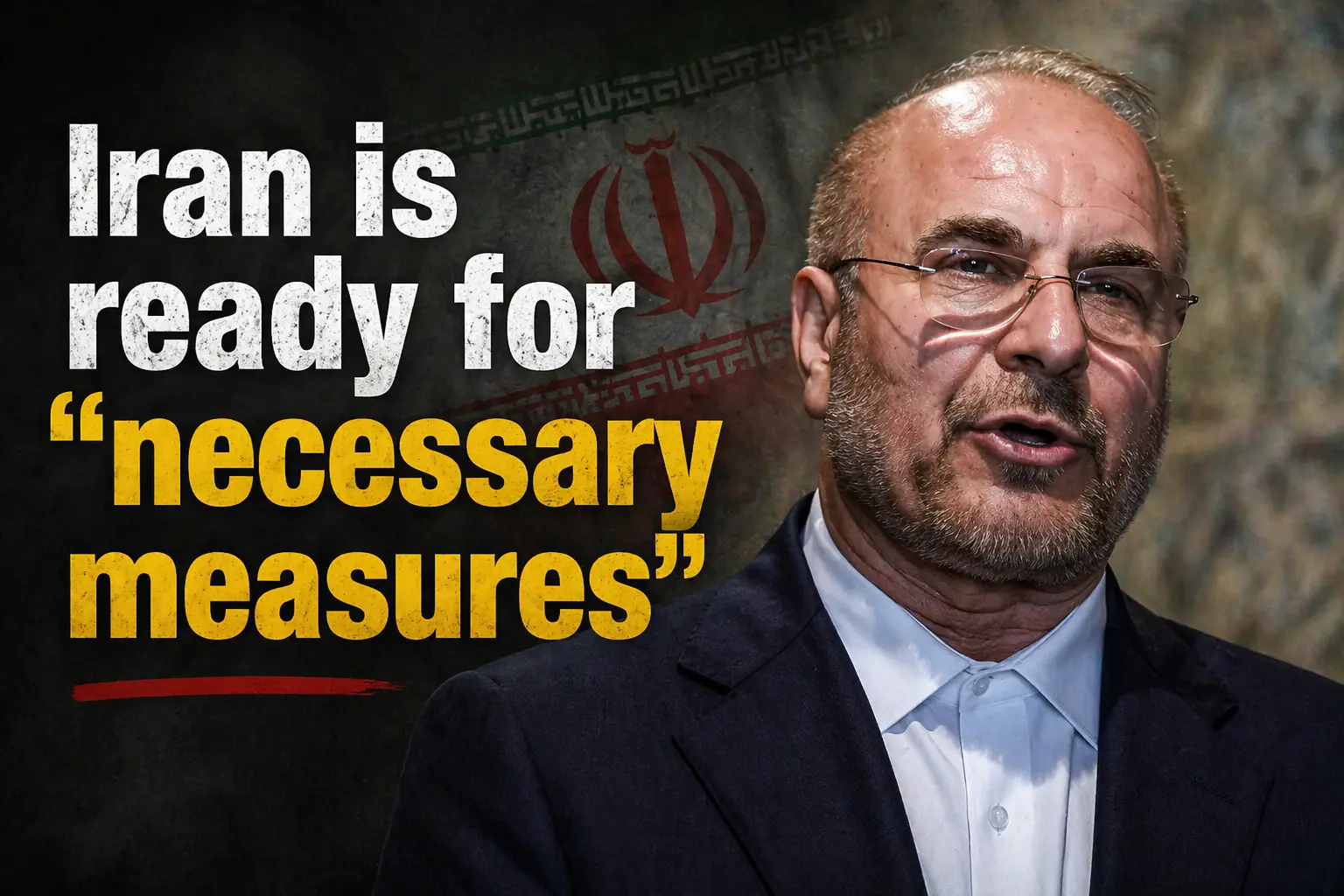
Iranian officials have demanded the immediate release of the ship and its crew, warning that they are prepared to use “all available means” to defend national interests if tensions continue to rise.
The timing of the incident could not be more critical. The ceasefire between the two sides was already considered unstable and temporary. Now, this maritime confrontation threatens to undermine it completely.
Experts point out that events like this often have consequences far beyond the initial action. A single ship seizure can trigger:
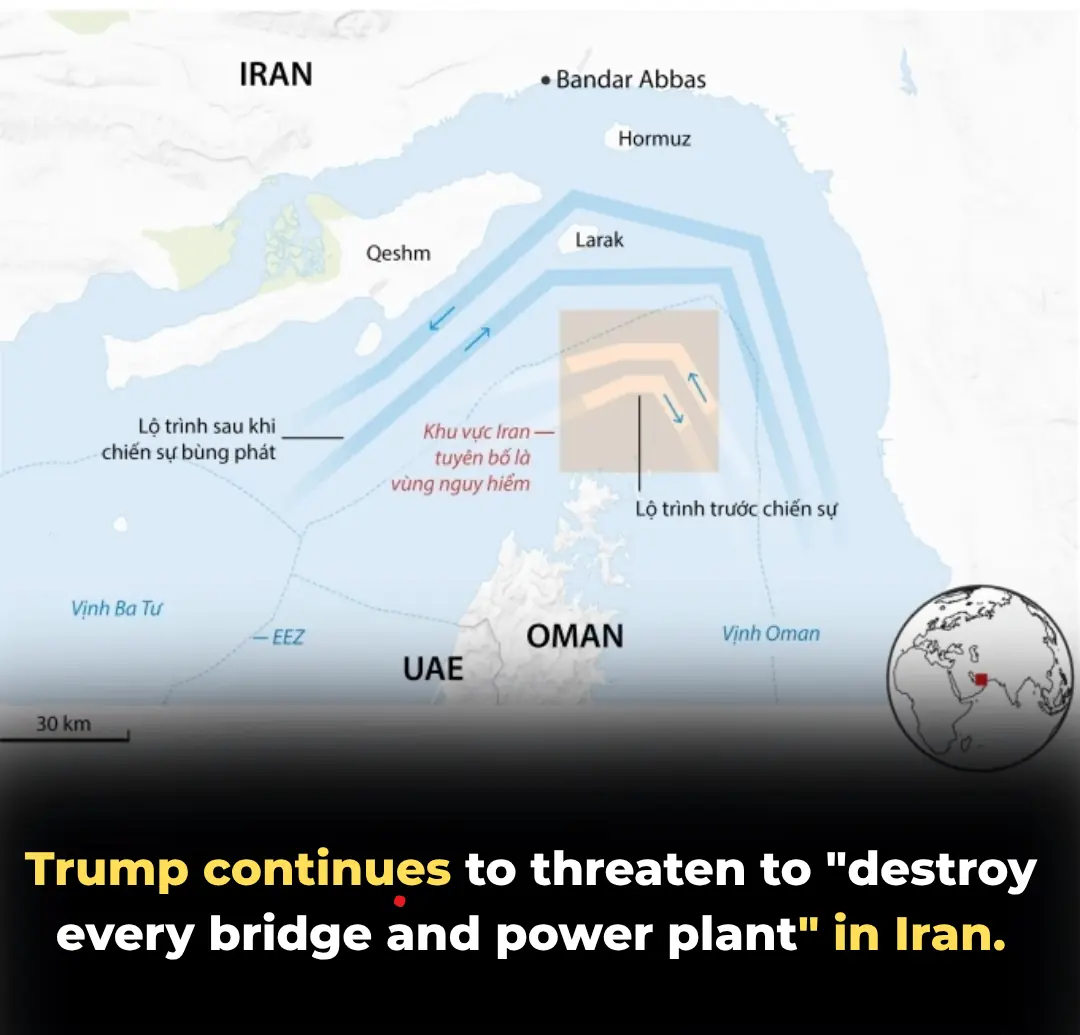
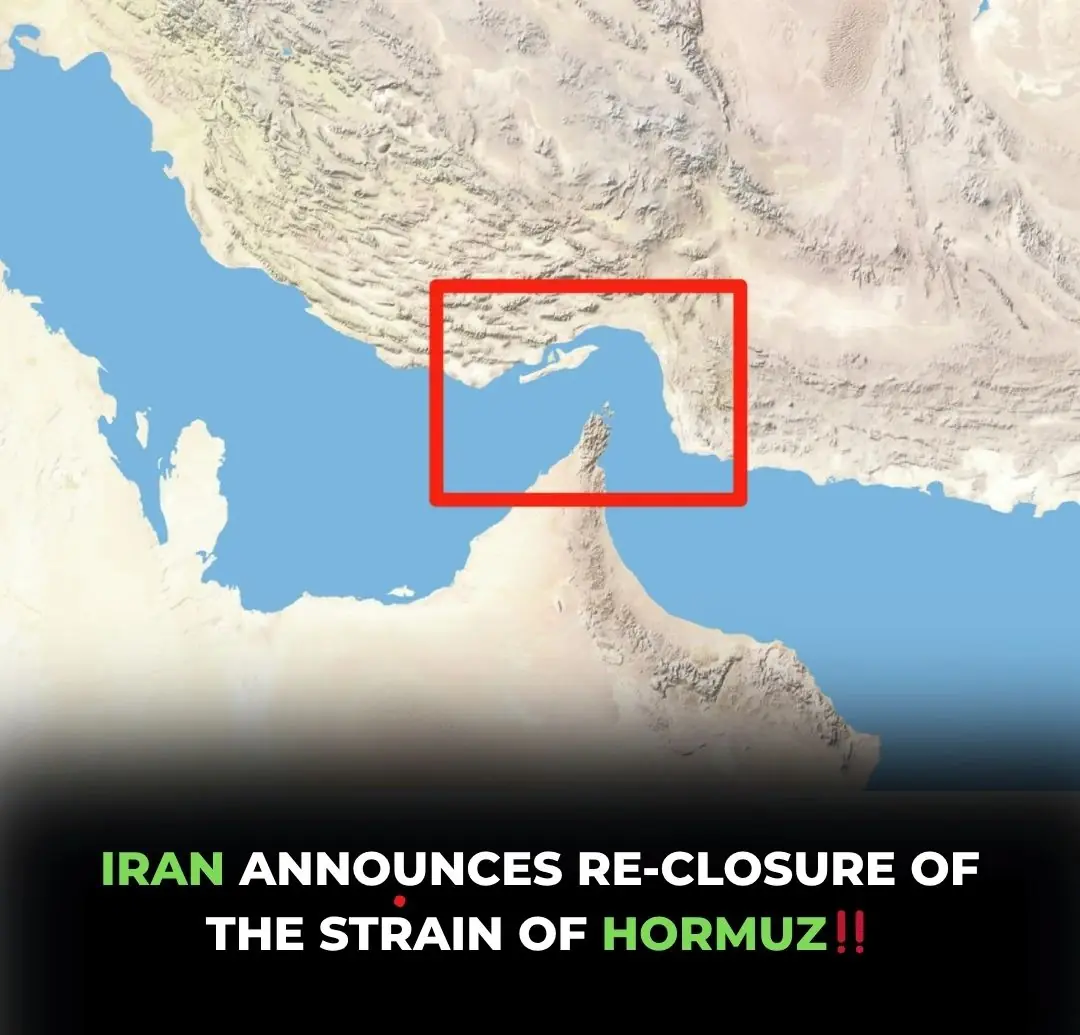
The Gulf of Oman and the Strait of Hormuz are among the most vital oil transit routes in the world. Any disruption in this area could have immediate global economic consequences.
What makes this situation more complex is that the US–Iran conflict extends beyond military operations. It is deeply tied to economic influence and long-term strategic positioning.
By intensifying maritime enforcement, the US appears to be aiming to:
Meanwhile, Iran views these actions as a direct violation of sovereignty and further evidence of US expansion of military influence at sea.
One of the biggest concerns now is the potential for the conflict to spread. If Iran responds with force—either directly or through allied groups—the situation could spiral into a broader regional crisis.
Possible scenarios include:
Such developments would not only affect the US and Iran but could also drag in other nations, especially those heavily dependent on oil shipments through these waters.
A key question remains: was the US action justified?
In reality, international law is often difficult to apply clearly in politically charged conflicts. This leaves room for interpretation—and further dispute.
In the short term, both sides are expected to continue exchanging strong rhetoric while increasing diplomatic pressure. However, the risk of escalation remains high, especially if similar incidents occur.
Key developments to watch include:
Without effective de-escalation mechanisms, even minor incidents like this could trigger a much larger crisis.
The seizure of the Touska is more than just an isolated maritime incident—it reflects the deep mistrust and volatility shaping US–Iran relations today.
As critical global shipping routes become entangled in geopolitical rivalry, the risks extend far beyond the two nations involved. In an interconnected world, a single event at sea can ripple across economies, energy markets, and international stability.
Ultimately, this situation serves as a reminder: when tensions are this high, even small actions can carry enormous consequences.