The Iranian ship may have been carrying 'dual-use cargo' when it was seized by the US
News 21/04/2026 16:42
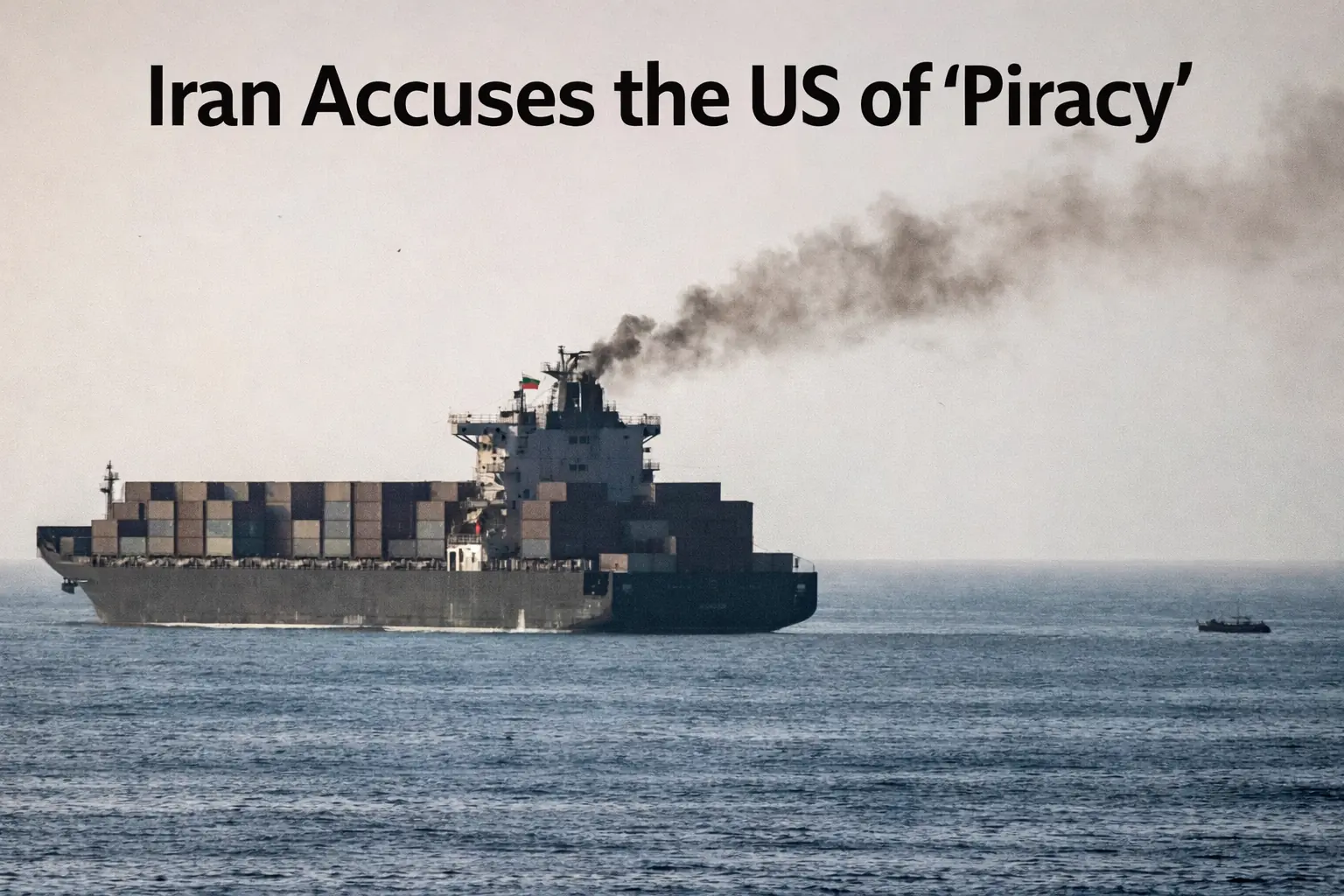
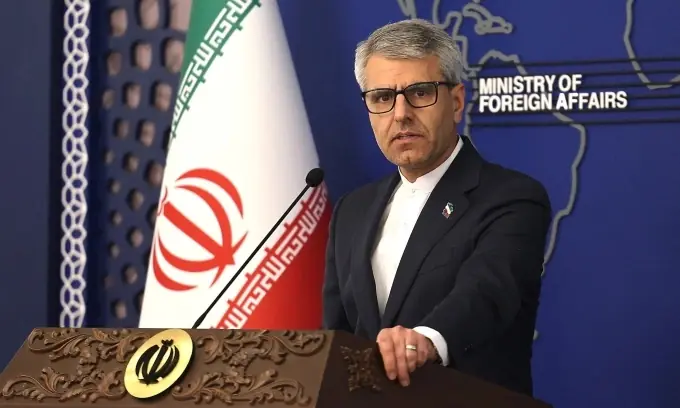
Tensions between Iran and the United States have sharply escalated once again after Tehran accused Washington of carrying out a “maritime piracy” operation by seizing an Iranian commercial vessel. The incident, which unfolded in the Gulf of Oman, is now raising fears of a new wave of confrontation in an already fragile geopolitical climate.
Iranian military officials have issued a strong warning: retaliation is not just possible — it is coming “soon.”
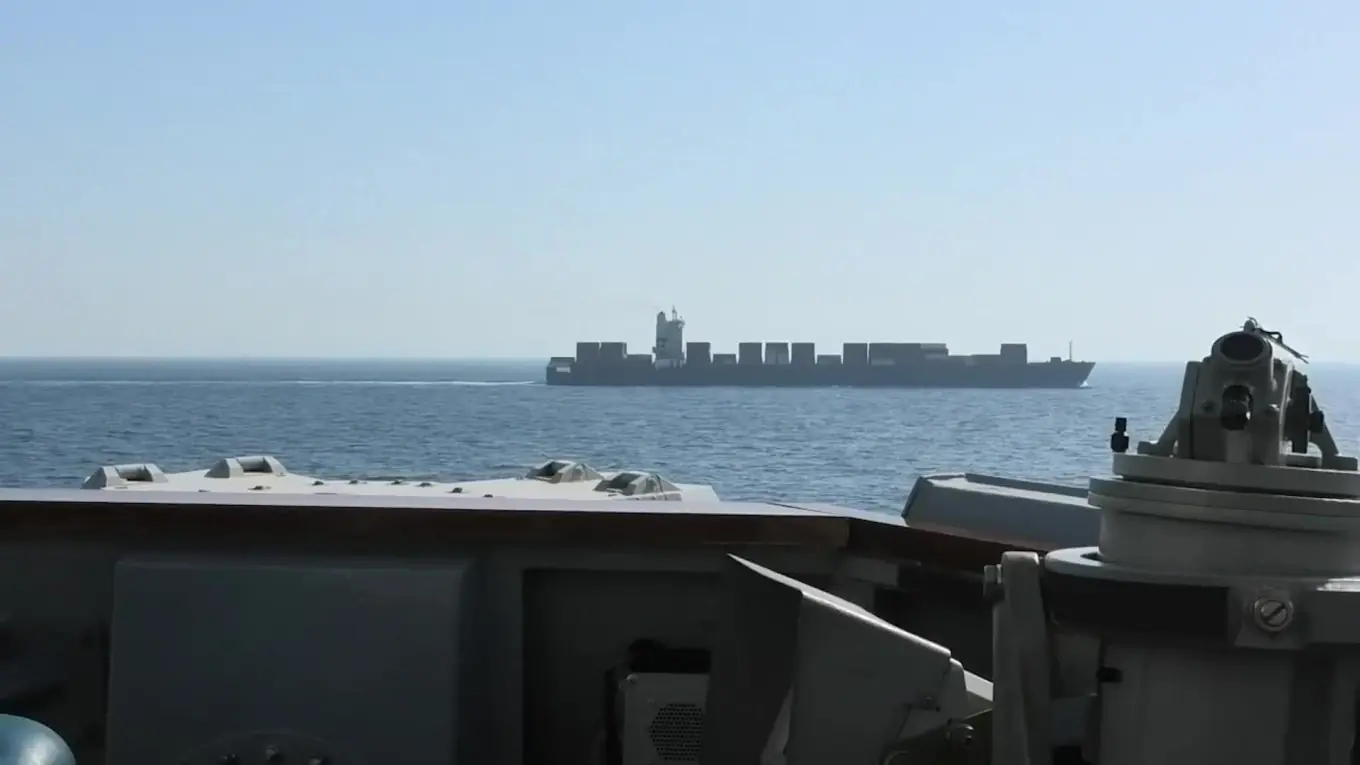
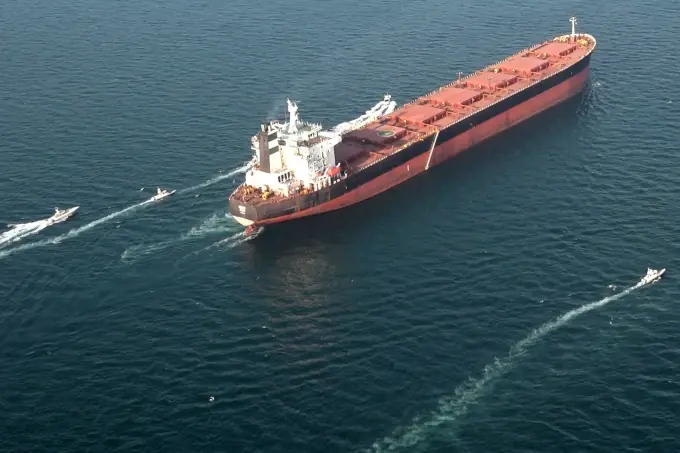
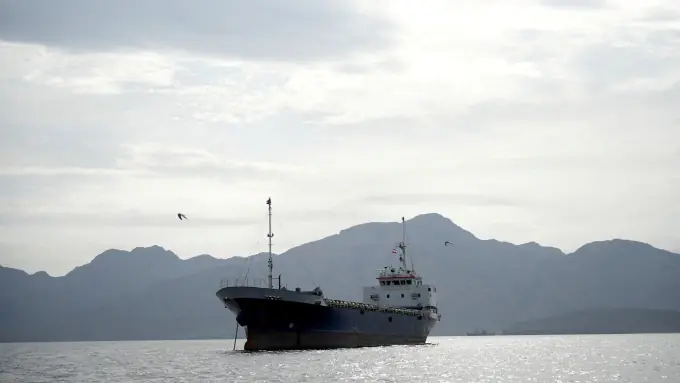
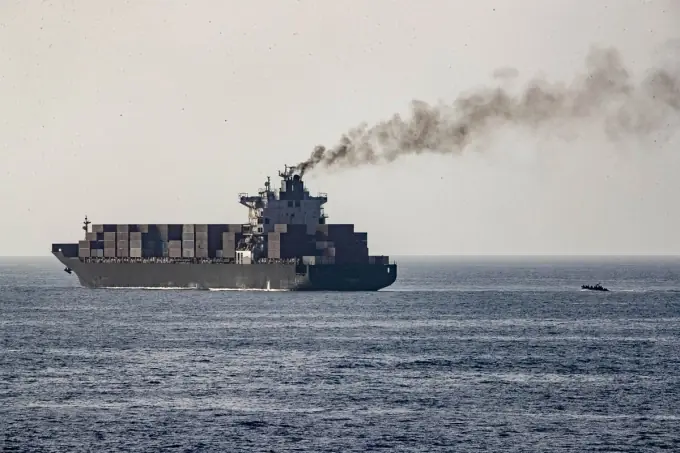
According to Iran’s Khatam al-Anbiya military headquarters, US forces intercepted and seized an Iranian-flagged cargo ship in the waters of the Sea of Oman. The vessel was reportedly traveling from China to Iran when it was targeted.
Tehran claims the US military not only boarded the ship but also disabled its navigation system by force, effectively taking control of the vessel.
In a sharply worded statement, Iranian officials described the operation as:
“maritime piracy” and an “armed robbery” carried out by US forces.
From Iran’s perspective, this was not a routine enforcement action — it was a direct act of aggression.
The strongest signal from Tehran is not just condemnation — it is the promise of retaliation.
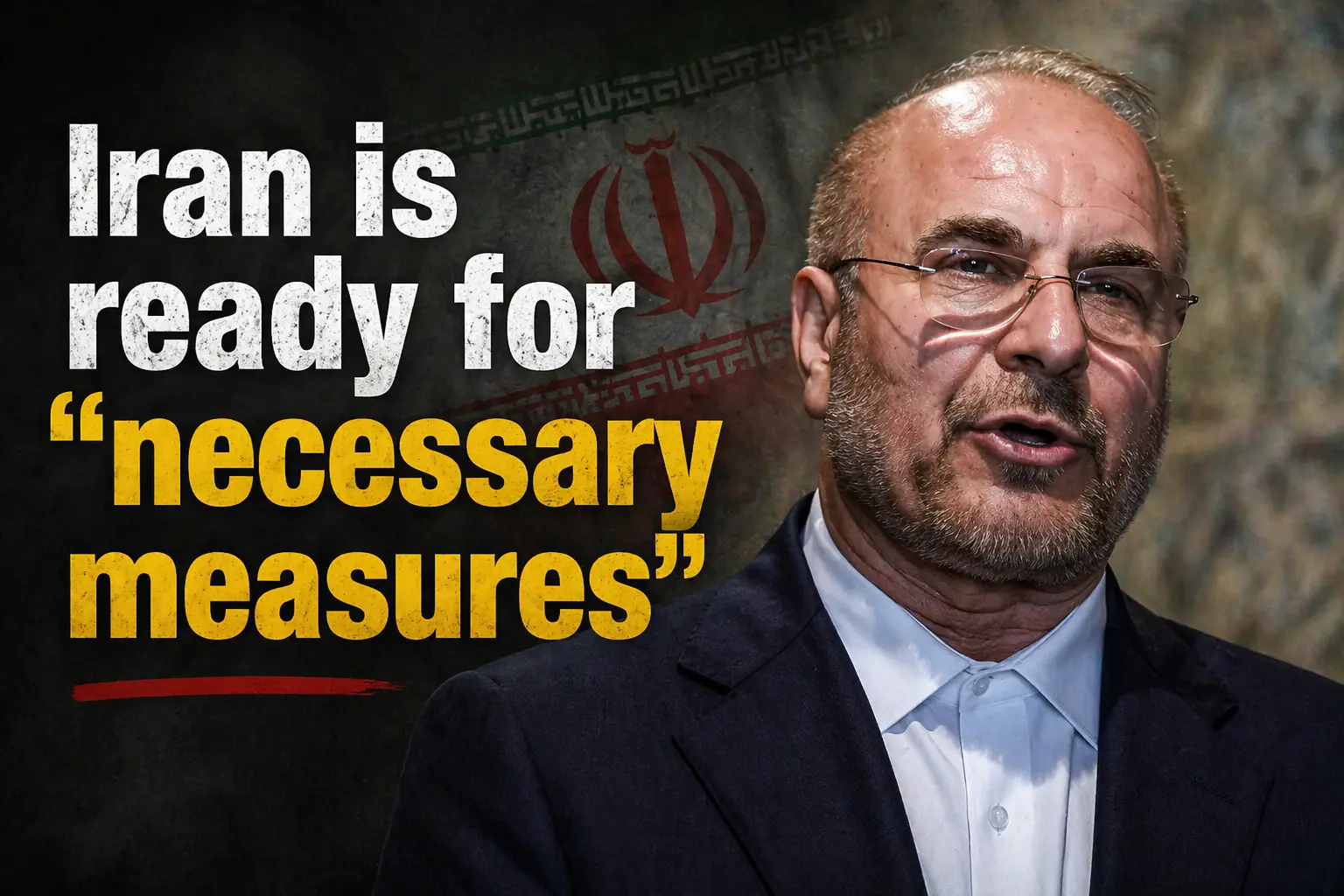
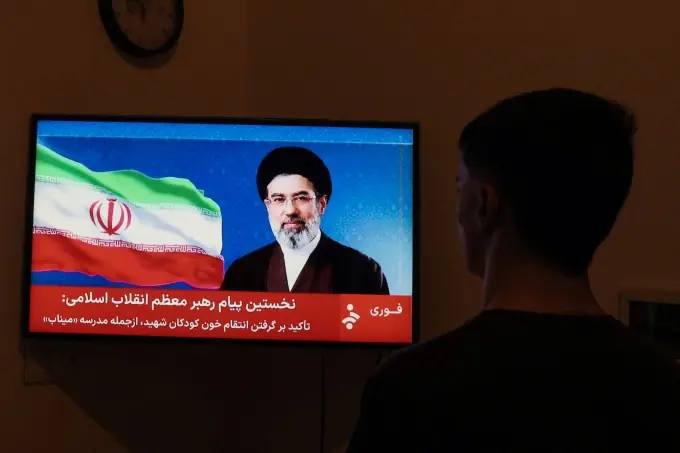
Iran’s top joint military command warned that its armed forces will respond decisively to what it considers an unlawful attack. Officials emphasized that the response would be timely and proportional, suggesting that military action could be on the table.
“We will soon respond to this armed piracy,” the statement declared.
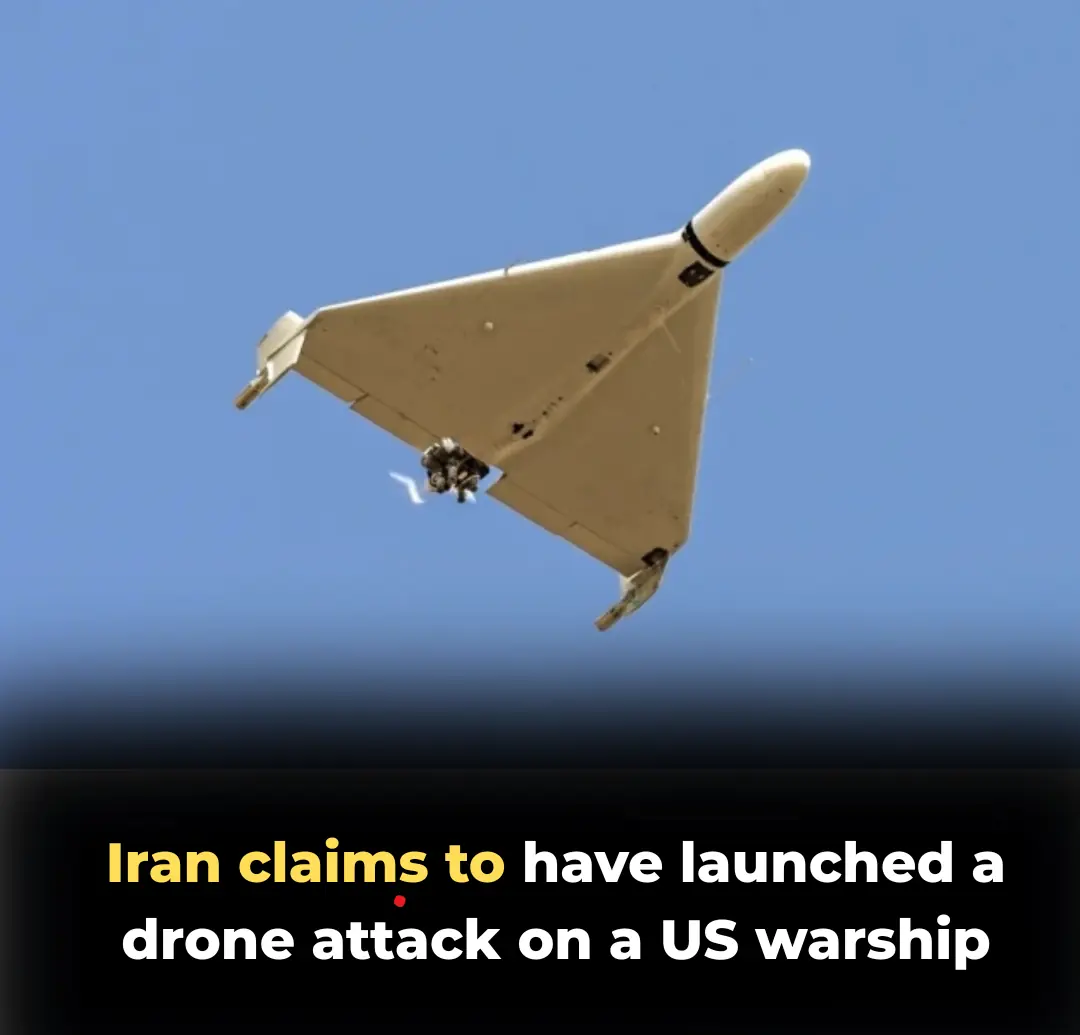
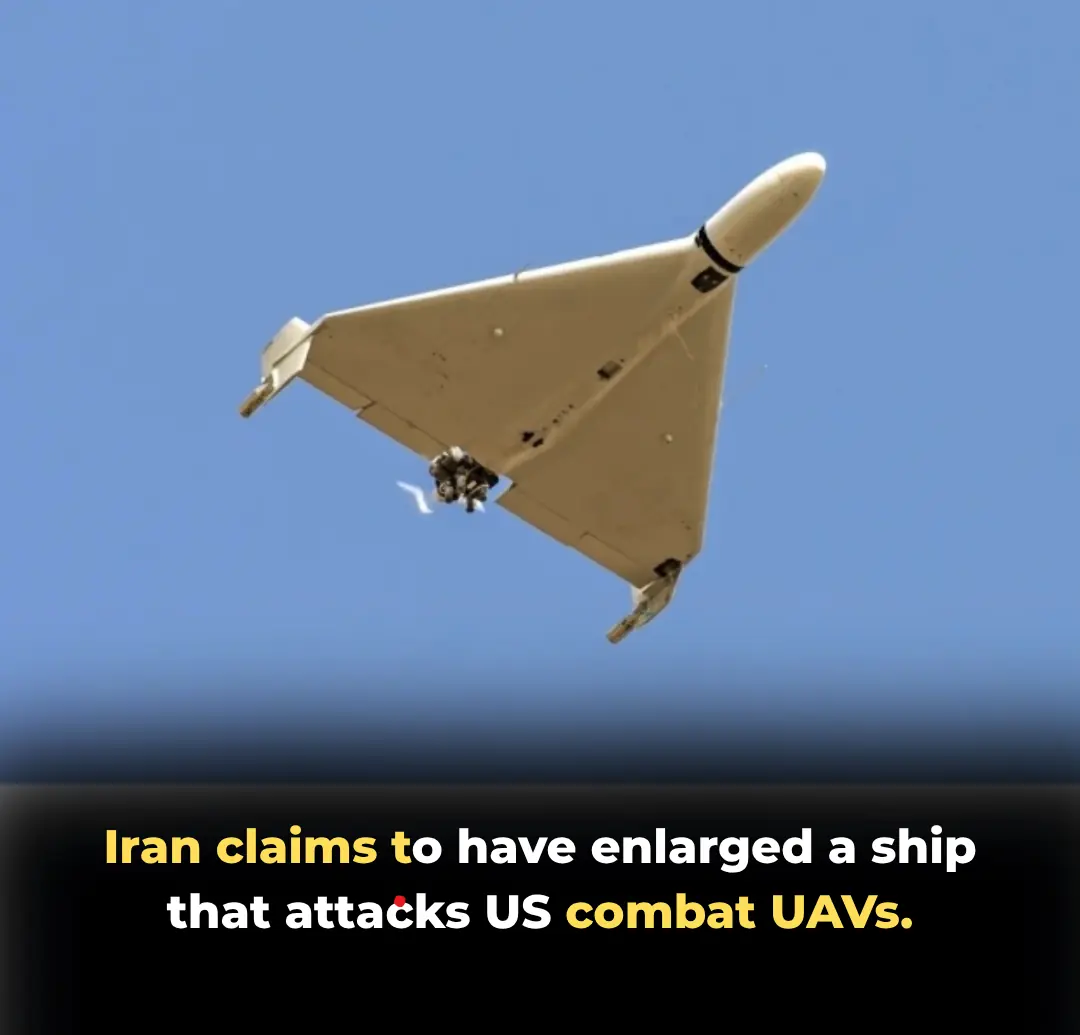
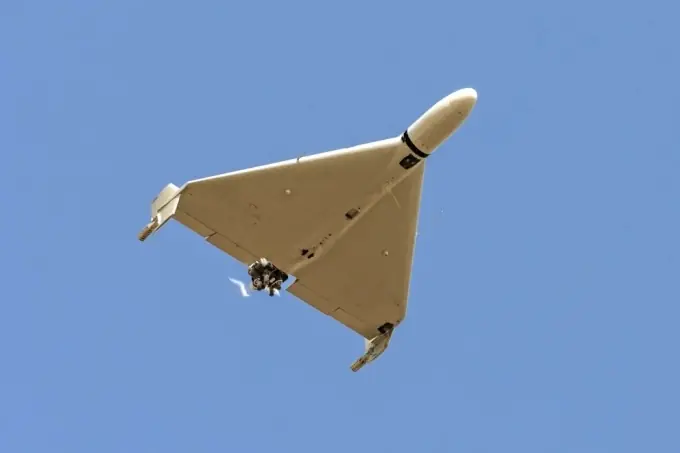
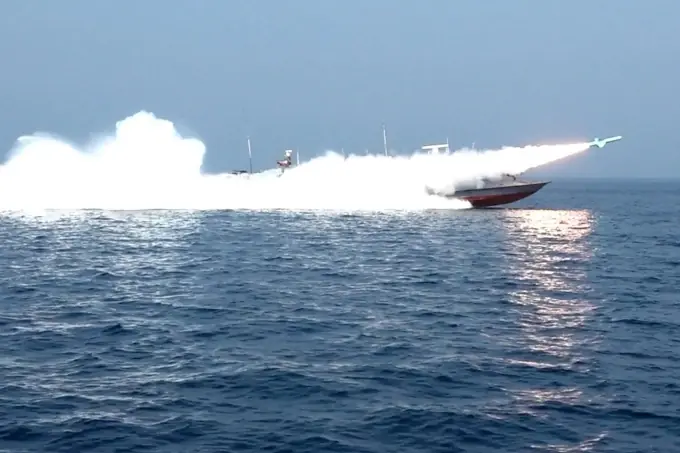
Reports from Iranian state media even suggested that, following the seizure, Iranian forces launched drone attacks targeting US military ships in the region — though details remain unclear and unverified.
If confirmed, this would mark a dangerous step toward direct confrontation.
What makes this incident especially volatile is its timing.
The seizure reportedly took place during a fragile ceasefire period between the US and Iran. Tehran argues that the action is a direct violation of that agreement, further undermining trust between the two sides.
In conflict zones, ceasefires rely heavily on restraint. When one side perceives a breach — especially one involving military force — the risk of escalation increases dramatically.
This incident could easily become the tipping point.
This is not just about one ship.
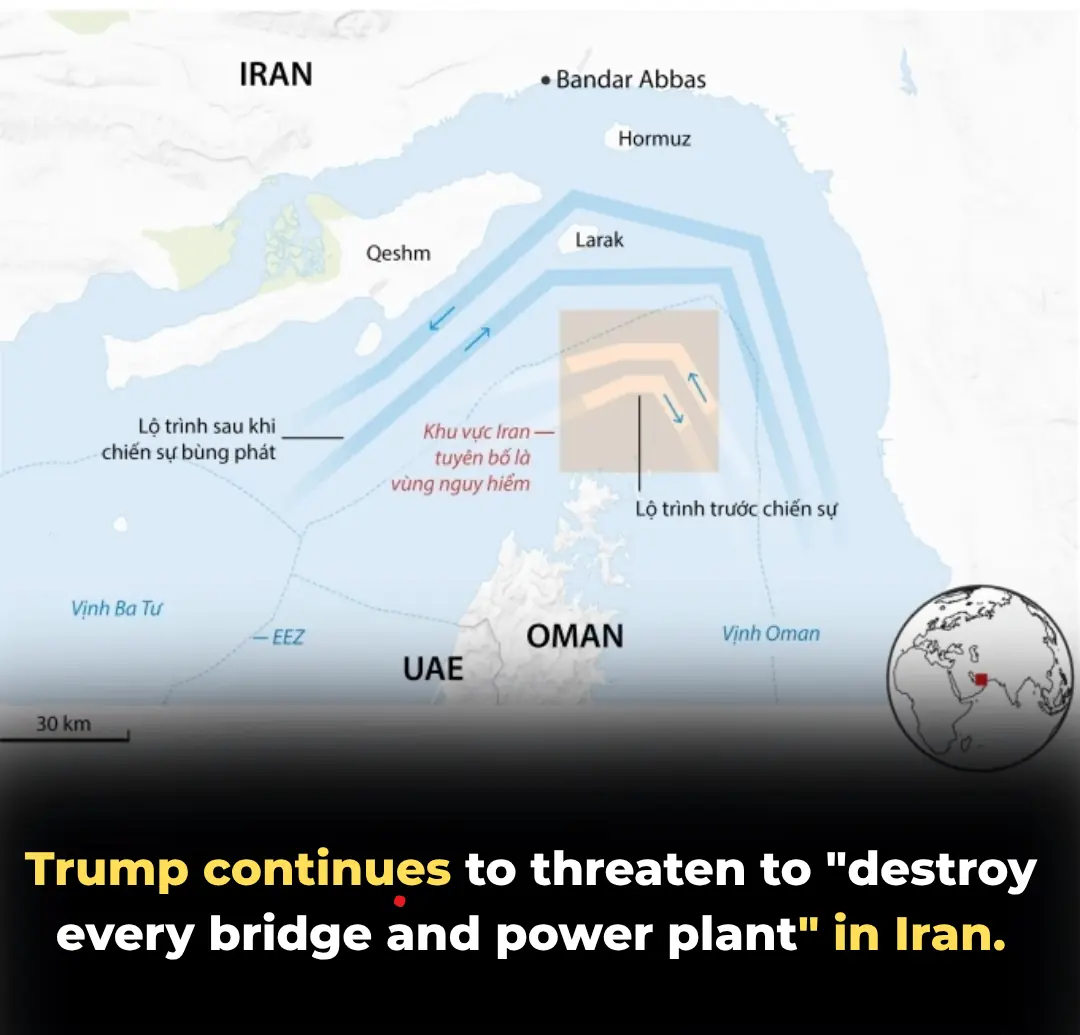
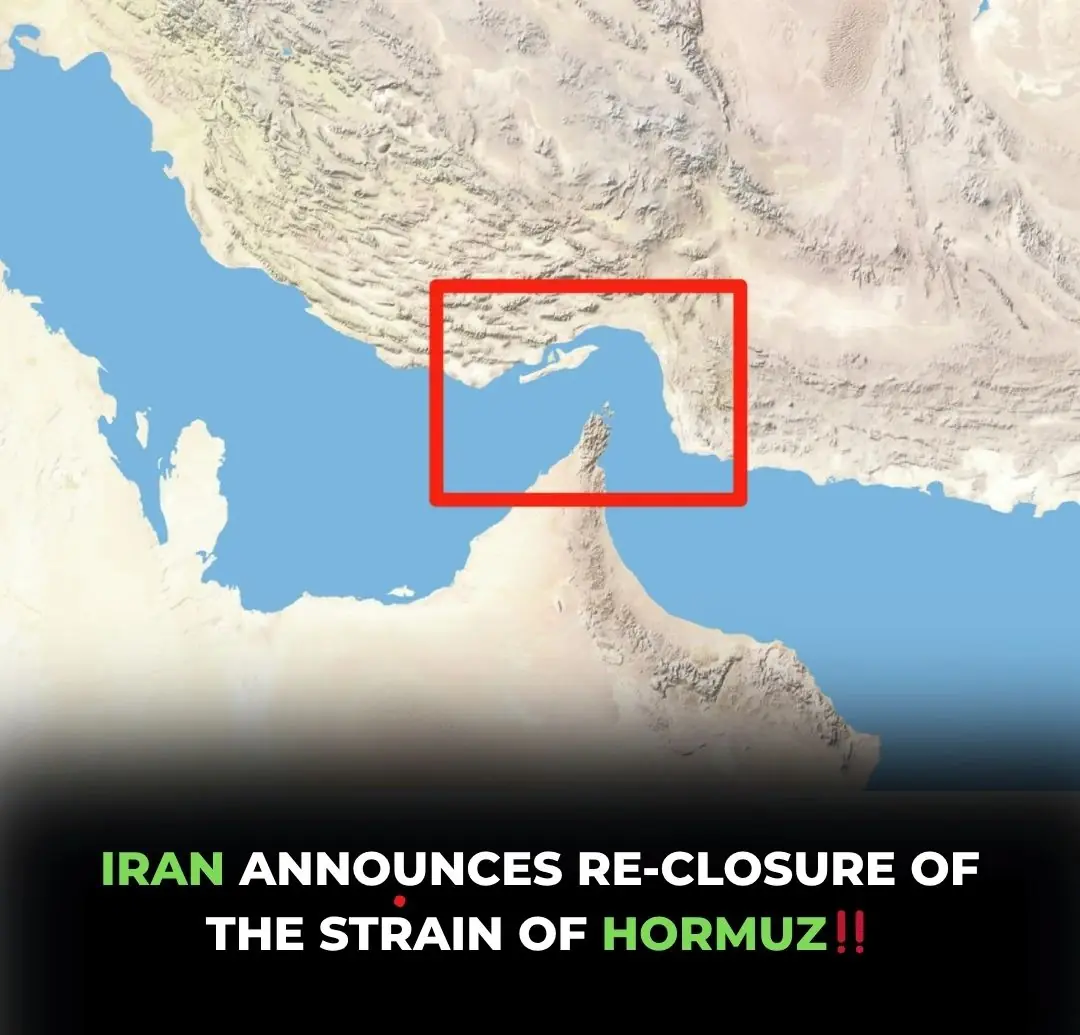
The Gulf of Oman is a critical maritime corridor connected to the Strait of Hormuz — one of the most important oil transit routes in the world. Any instability in this region has immediate global consequences.
A confrontation here could lead to:
Even a limited clash could send shockwaves through energy markets and international trade.
At the heart of the crisis lies a familiar divide:
This clash of narratives is critical. In modern geopolitical conflicts, perception often shapes escalation just as much as action.
By labeling the incident “piracy,” Iran is framing the US as an aggressor — a move that could help justify retaliation both domestically and internationally.
The situation remains fluid, but several scenarios are possible:
Iran may carry out a limited strike — symbolic but restrained — to send a message without triggering full-scale conflict.
Increased naval activity could lead to more encounters between US and Iranian forces, raising the risk of accidental escalation.
Iran-aligned groups in the region could become involved, expanding the conflict beyond direct US-Iran engagement.
International actors may step in to de-escalate, especially given the strategic importance of the region.
This incident is not isolated — it fits into a broader pattern of increasing friction between the US and Iran, particularly in maritime zones.
Recent developments suggest a shift toward more aggressive posturing on both sides:
Each move raises the stakes — and reduces the margin for error.
The seizure of this Iranian cargo ship may seem like a single tactical event, but its implications are far-reaching.
In a region where tensions are already high, even a small incident can trigger a chain reaction. Iran’s promise of retaliation adds another layer of uncertainty, and the possibility of escalation is now very real.
At its core, this crisis highlights a dangerous reality:
When geopolitical rivals operate in close proximity — especially in strategic waterways — the line between enforcement and confrontation can disappear quickly.
What happens next will depend not just on military decisions, but on whether both sides choose escalation… or restraint.