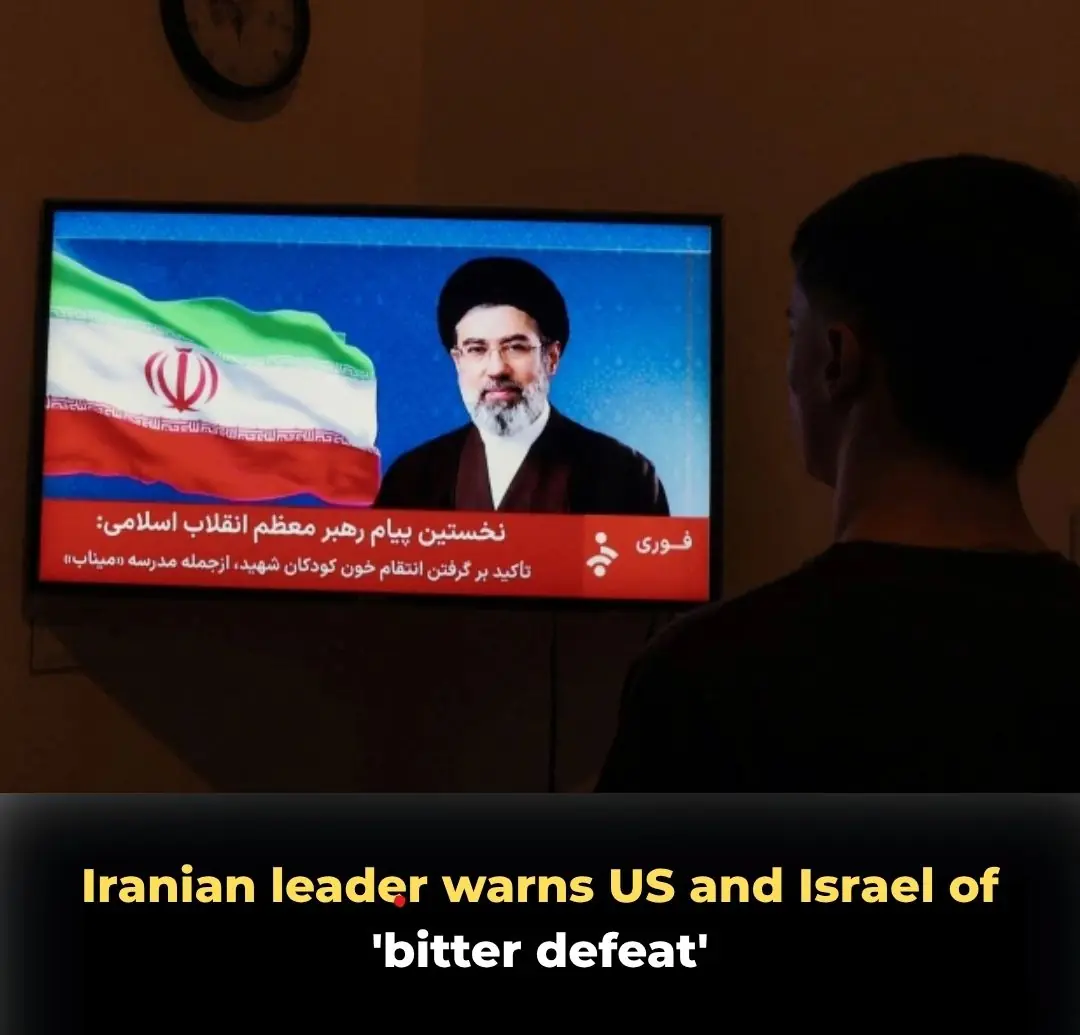
Iran’s Supreme Leader Warns US and Israel of "Bitter Defeat" Amid Rising Maritime Tensions
News 21/04/2026 09:11
Iran's Parliament Speaker warned the country would deploy "new cards on the battlefield" if negotiations break down and conflict continues.
"We do not accept negotiations under threats. Over the past two weeks, we have prepared to deploy new cards on the battlefield," Iranian Parliament Speaker Mohammad Bagher Ghalibaf, head of Tehran's peace negotiating delegation, wrote on social media on April 20.
Ghalibaf accused President Donald Trump of wanting to "turn negotiations into a place where Iran must surrender or use it as a pretext for the US to continue the conflict," criticizing Washington's blockade of ports as a violation of the ceasefire agreement with Tehran.

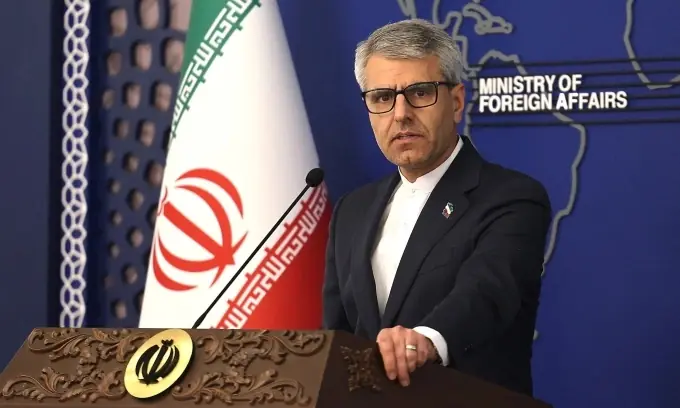
Speaker of Parliament Ghalibaf speaks at a press conference in Tehran in November 2024. Photo: Reuters
Meanwhile, President Trump remains confident that Iran will sit down at the negotiating table, while warning of consequences if this does not happen. "They will negotiate. If they don't, they will face unprecedented problems," he said on April 20.
The US President also expressed hope that Iran would reach a "fair deal and rebuild the country," adding that Tehran "will no longer have nuclear weapons" once this is achieved.
According to informed sources, US Vice President JD Vance is expected to travel to Pakistan on April 21 to attend the second round of negotiations with Iran. The likelihood of this event taking place remains very slim, due to the continuous exchange of harsh words between the two sides.
Iran has also not confirmed whether it will participate in the negotiations. President Masoud Pezeshkian said that Iran maintains "deep historical distrust" of the U.S. government, while criticizing "contradictory, unconstructive signals" from U.S. officials.
Since the outbreak of hostilities on February 28, the U.S. and Iran have only held one round of talks, lasting 21 hours in Islamabad, and failed to reach an agreement, although preparations for further talks continue.
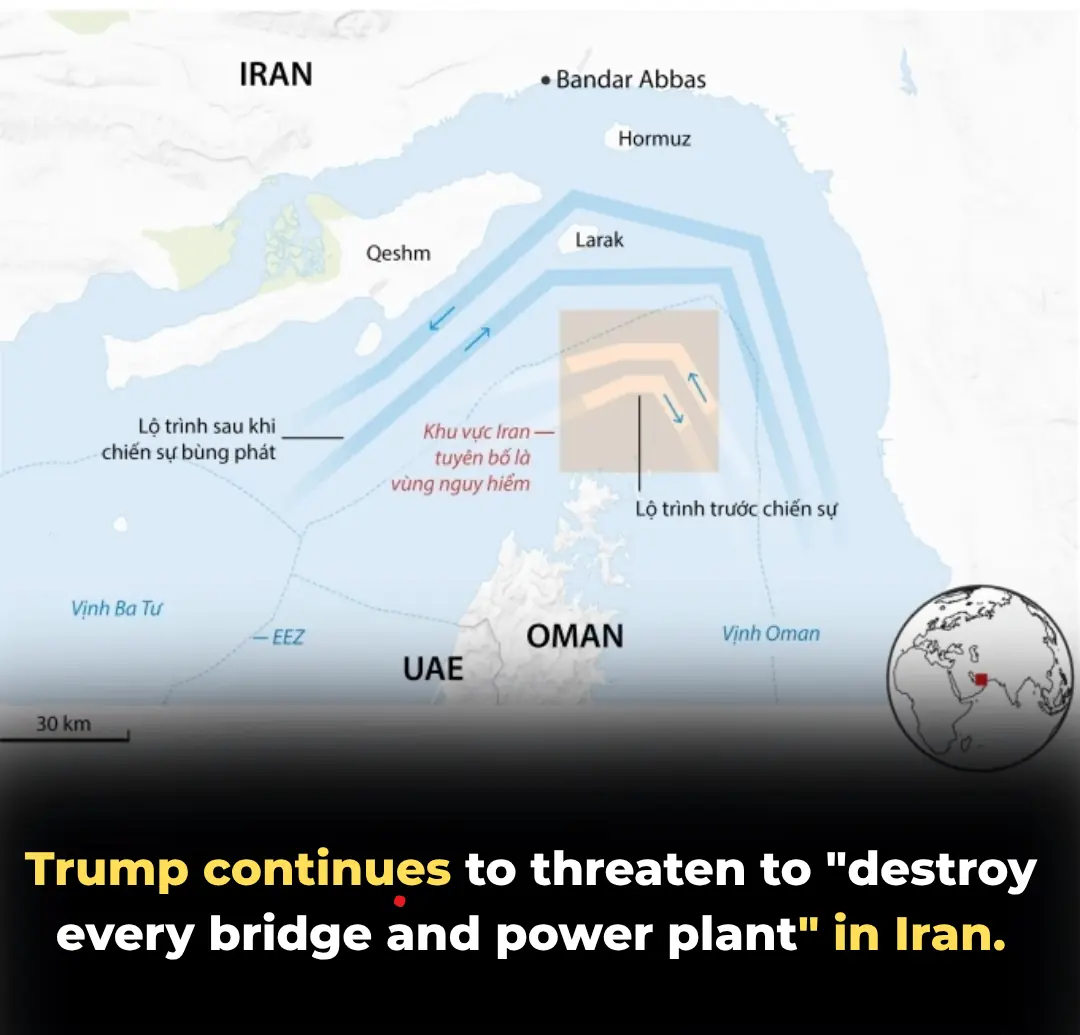
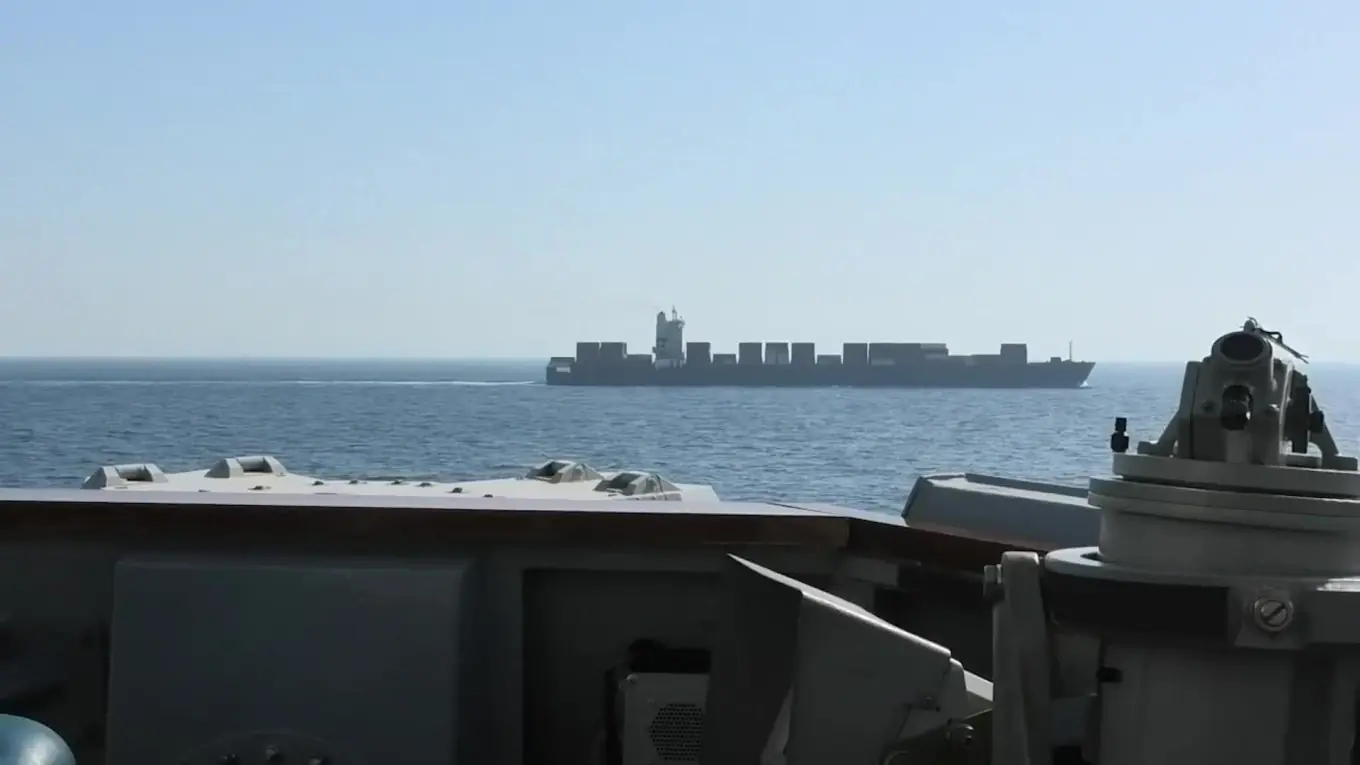
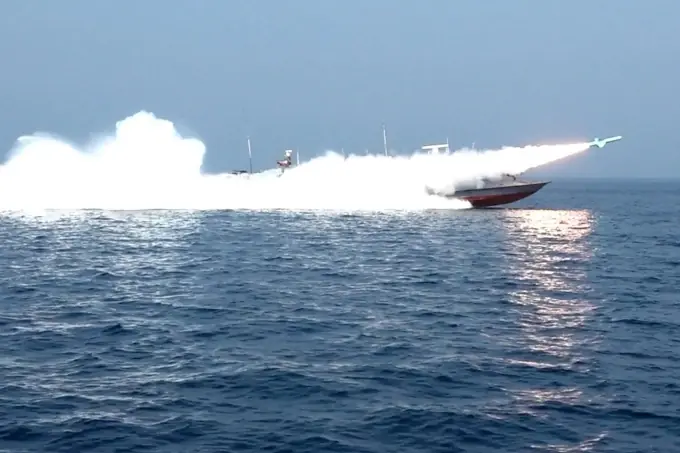
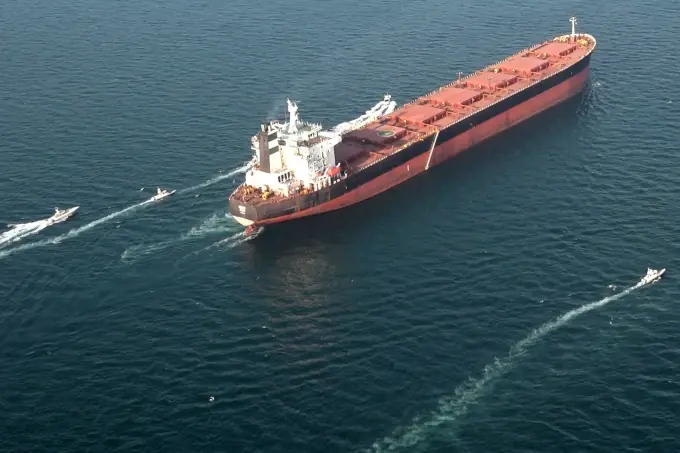
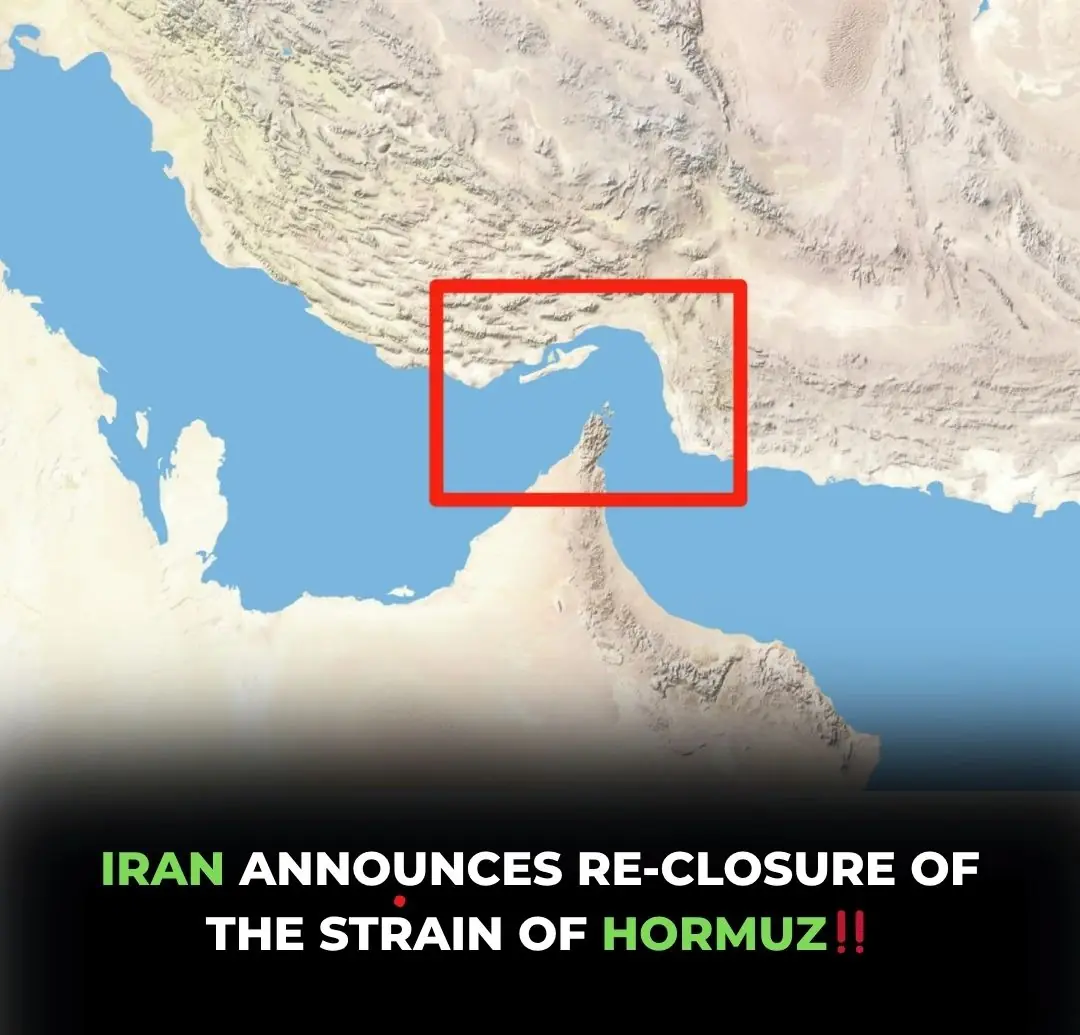
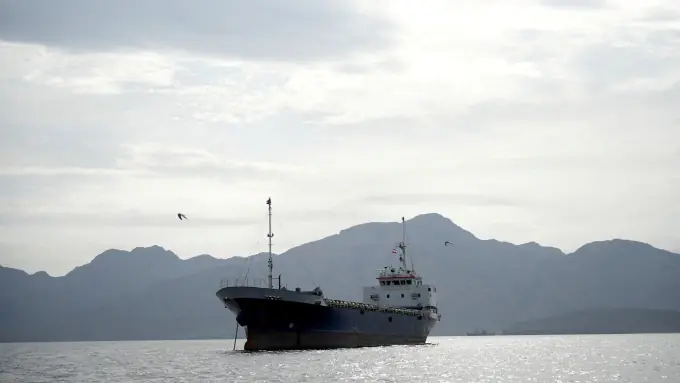
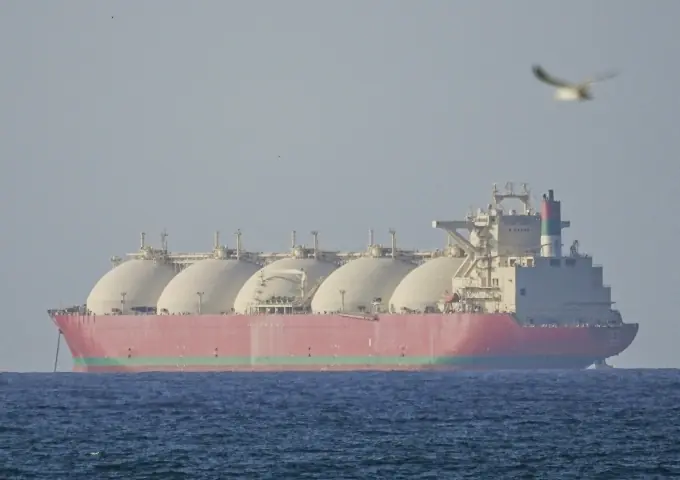
According to U.S. intelligence assessments cited by the New York Times last weekend, Iran still possesses sufficient military capabilities to threaten maritime activity in the Strait of Hormuz, despite significant damage to its arms industry from the conflict with the U.S. and Israel.
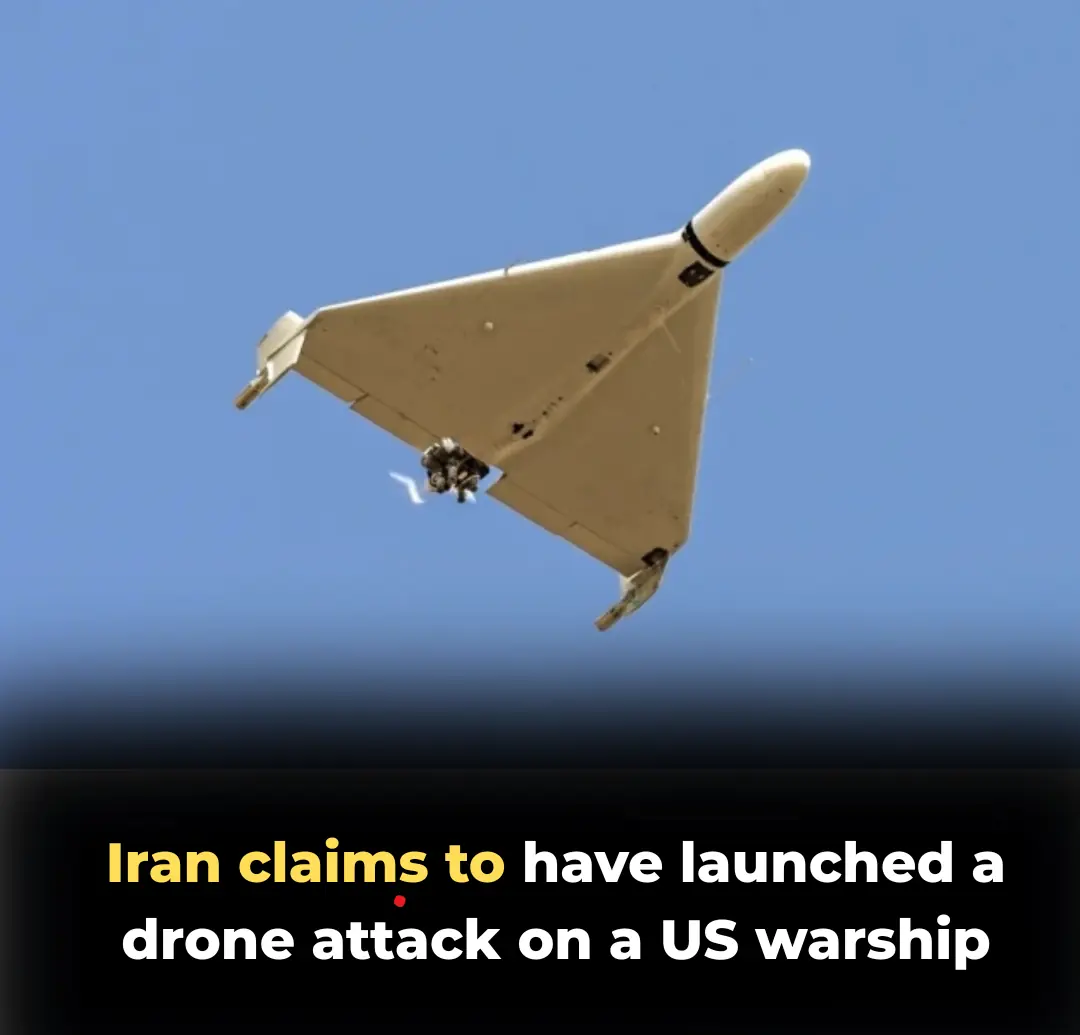
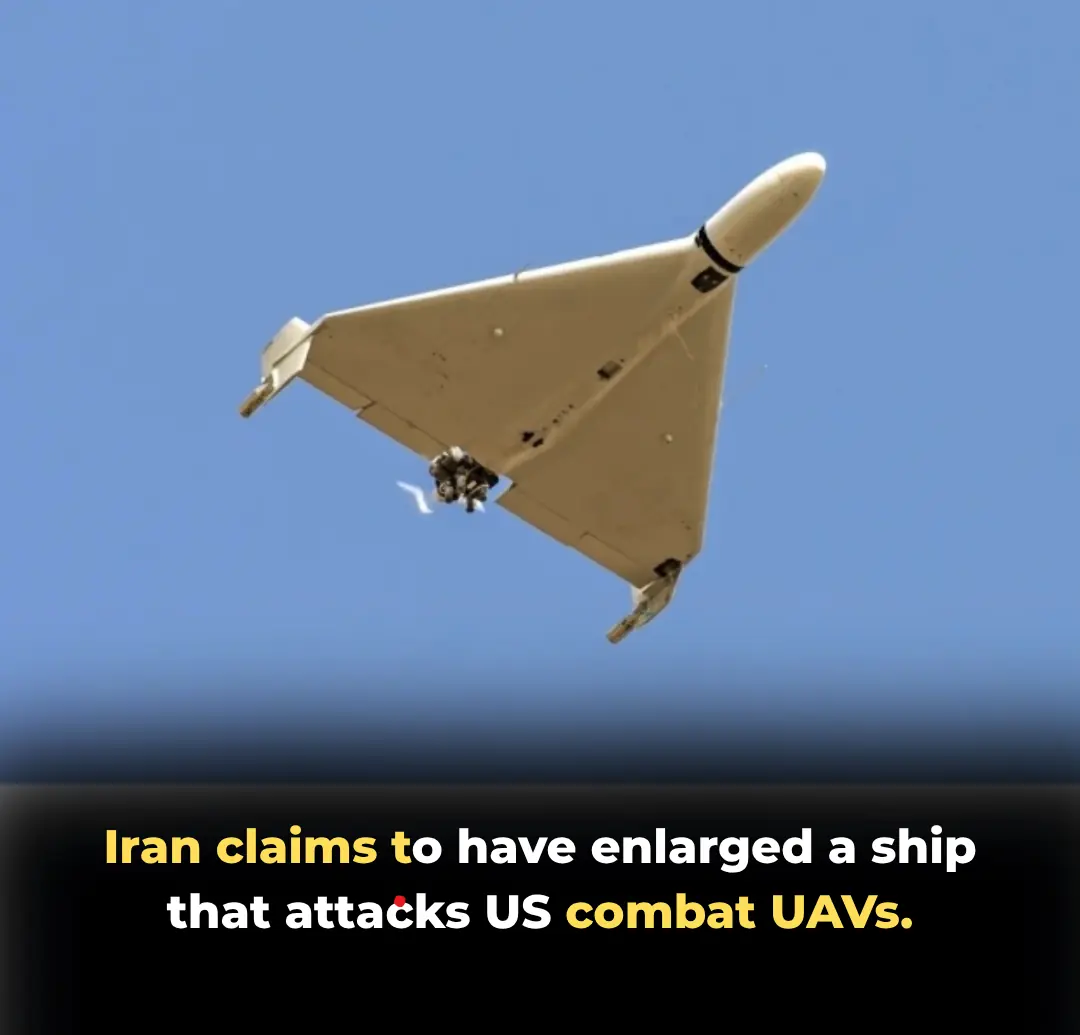
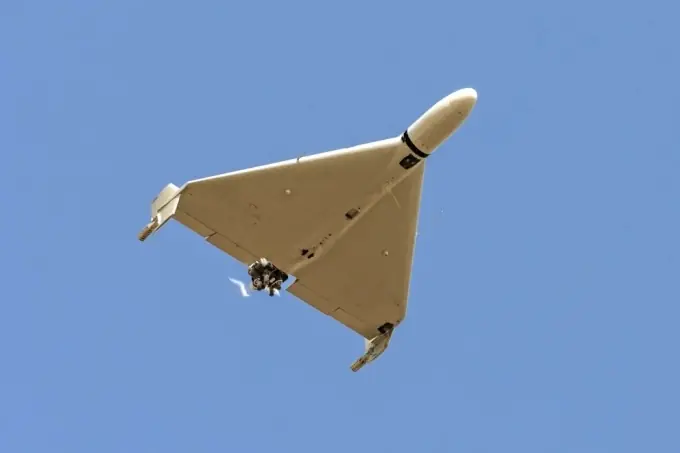
U.S. officials estimate that Iran's long-range UAV stockpile is at about 40% of its pre-war level. While these UAVs can be intercepted by warships, they are still considered a major threat to commercial shipping. Iran maintained about half of its missile launchers at the time of the ceasefire, and subsequently restored approximately 100 more systems, achieving about 60% of its pre-conflict operational capacity.