Parkinson’s disease is a chronic, progressive neurological disorder affecting more than 10 million people globally. While most people recognize tremors as a sign of Parkinson’s, early symptoms actually appear years before noticeable shaking begins — and many are psychological, sensory, or related to sleep.
Because these signs are subtle, many patients assume they result from stress, insomnia, aging, or overwork. This often delays diagnosis until the disease has already affected mobility and brain function.
This expanded article helps readers understand the earliest red flags, how Parkinson’s develops, diagnostic methods, treatment approaches, and lifestyle strategies that support long-term brain health.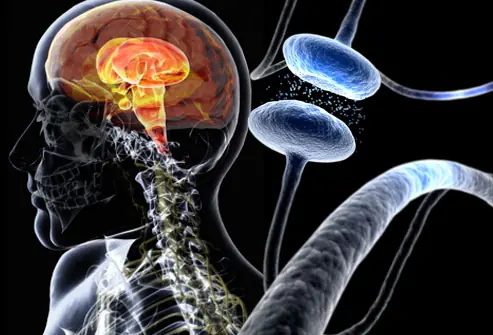
Understanding Parkinson’s Disease
Parkinson’s occurs when nerve cells in the brain’s substantia nigra — responsible for producing dopamine — begin to die.
Dopamine helps regulate:
-
Movement
-
Coordination
-
Balance
-
Motivation
-
Mood
As dopamine levels drop, symptoms slowly appear, becoming more severe over time.
Early Symptoms People Commonly Overlook
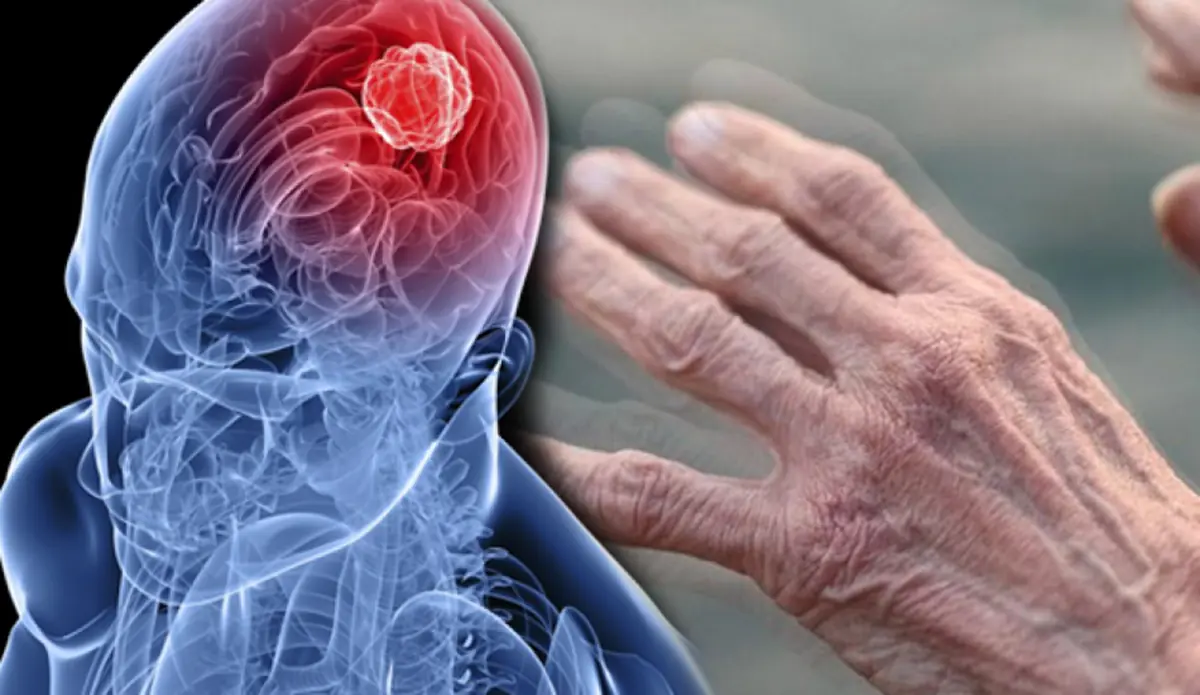
1. Subtle Tremors
Early tremors often resemble:
-
Finger twitching
-
Chin quivering
-
Slight hand movement when resting
-
“Pill-rolling” motion between fingers
These tremors disappear when moving the hand, making them easy to dismiss.
2. Slower Movements (Bradykinesia)
This is one of the clearest early signs.
People might notice:
-
Slower walking speed
-
Difficulty starting movements
-
Trouble turning in bed
-
Reduced arm swing while walking
-
Feeling “stuck” when beginning a step
Bradykinesia is often mistaken for aging or fatigue.
3. Loss of Smell
One of the earliest, most overlooked symptoms. It can appear 5–10 years before motor symptoms.
4. Sleep Disturbances
REM Sleep Behavior Disorder (RBD) is strongly linked to Parkinson’s.
Symptoms include:
-
Acting out dreams
-
Kicking, shouting, or punching during sleep
-
Falling out of bed
-
Violent dream activity
Partners usually notice these symptoms first.
5. Reduced Facial Expression (Masked Face)
The face may appear:
-
Less animated
-
More “serious”
-
Slower at showing emotion
-
Less frequent blinking
6. Handwriting Changes (Micrographia)
Writing becomes small, cramped, and hard to read — a major diagnostic clue.
7. Mood Changes
Dopamine changes may lead to:
-
Depression
-
Anxiety
-
Irritability
-
Loss of motivation
These often appear years before movement symptoms.
8. Posture and Balance Changes
A slight stoop or forward lean is common early. Balance becomes less stable during quick turns.
Diagnosis
There is no single test. Doctors use:
-
Neurological exam
-
Movement evaluation
-
Medical history
-
Response to Parkinson’s medications
-
DaTscan imaging in some cases
Stages of Parkinson’s
Parkinson’s progresses through 5 stages:
-
Mild symptoms, still independent
-
Increasing tremors, daily disruptions
-
Balance difficulties, slower movements
-
Limited mobility, need assistance
-
Severe disability, full-time care required
Treatment Options
Medications
-
Levodopa (most effective)
-
Dopamine agonists
-
MAO-B inhibitors
-
COMT inhibitors
Therapies
-
Physical therapy
-
Speech therapy
-
Occupational therapy
Advanced Treatment
-
Deep Brain Stimulation (DBS)
Reduces tremors and improves movement control.
Lifestyle Strategies
-
Regular aerobic exercise
-
Stretching & balance training
-
Mediterranean diet
-
Brain-boosting foods (omega-3, antioxidants)
-
Stress management
Conclusion
Parkinson’s doesn’t appear suddenly — it builds silently for years. Recognizing early symptoms such as smell loss, sleep disturbances, subtle tremors, or handwriting changes can lead to earlier diagnosis, better treatment outcomes, and improved long-term quality of life.