Everyone Fears Diabetes, but Diabetes “Fears” These 5 Foods
Health 14/01/2026 18:07
A Breakthrough Discovery That Could Transform the Future of Cancer Treatment
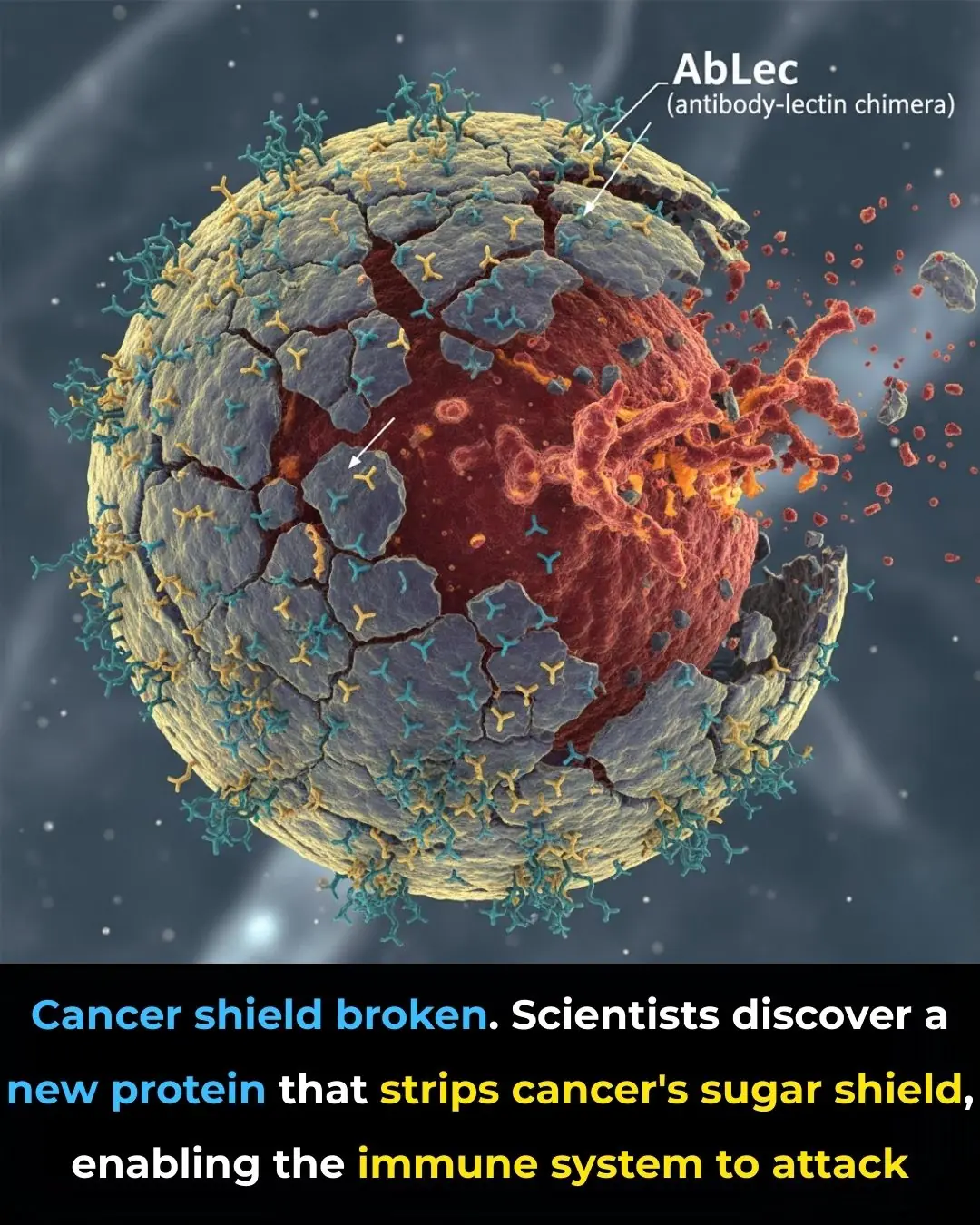
A groundbreaking scientific discovery may mark a turning point in the way cancer is treated worldwide. Researchers have identified a previously unknown protein capable of removing the sugar-based protective layer that surrounds cancer cells—a defense mechanism that has long allowed tumors to evade detection by the immune system. By dismantling this “sugar shield,” the immune system is finally able to recognize cancer cells as threats and launch a more effective attack against them.
Cancer cells are notorious for their ability to hide in plain sight. One of their most effective strategies involves coating their surface with complex sugar molecules, known as glycans. This sugar coating masks cancer cells from immune surveillance, preventing immune cells from identifying and destroying them. As a result, tumors are often able to grow and spread undetected, making cancer more difficult to diagnose and treat effectively.
The newly discovered protein directly targets this glycan shield, stripping it away and exposing cancer cells to the body’s natural defenses. Once this protective layer is removed, immune cells—such as T cells and natural killer cells—can more easily identify, target, and eliminate malignant cells with greater precision. This process enhances the immune system’s natural ability to fight disease, rather than relying solely on external interventions like chemotherapy or radiation.
Early laboratory studies have produced highly encouraging results. In preclinical experiments, cancer cells that were previously resistant to immune attacks became significantly more vulnerable once their sugar coating was removed. These findings suggest that therapies based on this protein could lead to more effective and less invasive cancer treatments, reducing damage to healthy tissue and minimizing side effects for patients.
This discovery represents a major advancement in the rapidly evolving field of immunotherapy, a treatment approach that leverages the body’s own immune system to combat disease. Immunotherapy has already transformed cancer care in recent years, with innovations such as immune checkpoint inhibitors and CAR-T cell therapy showing remarkable success in certain cancers. The newly identified protein could further strengthen this approach by addressing one of cancer’s most fundamental defense mechanisms.
While the results so far are promising, scientists emphasize that further research and clinical trials are essential before this discovery can be translated into widely available treatments. Researchers must confirm the protein’s safety, effectiveness, and potential applications across different types of cancer. If successful, however, this approach could become a powerful new tool in the global fight against cancer, potentially saving countless lives.
The importance of this research is supported by ongoing studies in cancer immunology published in leading scientific journals such as Nature, Science, and Cell, as well as research initiatives led by institutions like the U.S. National Cancer Institute (NCI), the National Institutes of Health (NIH), and Cancer Research UK. These organizations have consistently highlighted the role of immune evasion and glycan shielding as critical challenges in cancer treatment.
In the long term, this discovery offers renewed hope for patients and clinicians alike. By revealing a new way to unmask cancer cells and empower the immune system, scientists are one step closer to developing safer, more targeted, and more effective therapies—bringing the world closer to a future where cancer is no longer a life-threatening disease, but a manageable condition.
Sources:
Nature Reviews Cancer
Science Translational Medicine
U.S. National Cancer Institute (cancer.gov)
National Institutes of Health (nih.gov)
Cancer Research UK (cancerresearchuk.org)