I Returned From Vacation to Find a "Snake" in My Bathtub—The Truth Was Even More Shocking
Facts 16/06/2026 17:40
Liver damage typically progresses through distinct stages, with the organ transitioning from a healthy state to severe disease if the underlying cause remains unaddressed. The liver, when healthy, is smooth, dark red, and possesses the remarkable ability to repair itself. However, prolonged exposure to factors such as obesity, diabetes, excessive alcohol consumption, or chronic viral infections like hepatitis can result in gradual liver deterioration.
The first stage of liver damage is the accumulation of fat in liver cells, leading to a condition known as fatty liver. This stage often goes unnoticed because it typically does not cause symptoms. Fortunately, fatty liver can often be reversed with lifestyle changes, such as weight loss, reducing alcohol intake, managing blood sugar levels, and improving diet.
If harmful factors persist, the liver becomes inflamed and damaged, triggering a response that results in fibrosis. In this stage, strands of scar tissue begin to form inside the liver. Fibrosis represents an intermediate stage between fatty liver and cirrhosis, and it indicates that liver damage is becoming more severe. Although the liver can still function to some degree during this stage, it is less capable of repairing itself.
As fibrosis progresses over time, it can develop into cirrhosis, a condition in which the liver becomes shrunken, hard, and nodular. In cirrhosis, the liver's function is significantly impaired, leading to complications such as fluid buildup in the abdomen, internal bleeding, and mental confusion due to the accumulation of toxins in the bloodstream. Cirrhosis marks a critical point in liver disease, as the liver becomes incapable of performing many of its essential functions.
One of the most concerning aspects of cirrhosis is the increased risk of developing hepatocellular carcinoma (HCC), which is the most common form of primary liver cancer. People with cirrhosis are much more likely to develop HCC, highlighting the importance of managing liver health at earlier stages to prevent severe outcomes.
Large population studies have shown that the risk of death and severe complications rises sharply with each stage of liver damage—from fatty liver to fibrosis, cirrhosis, and ultimately liver cancer. However, these studies also reveal that the progression of liver damage can often be halted or even reversed if caught early. Interventions such as weight loss, cessation of alcohol consumption, blood sugar control, and treatment of hepatitis can be highly effective in preventing further damage and improving liver function.
For this reason, early detection and regular monitoring of liver health are crucial. Identifying liver disease at the fatty liver or early fibrosis stage offers the best chance for intervention and reversal, preventing progression to more severe forms of liver damage, including cirrhosis and liver cancer. Maintaining a healthy lifestyle and seeking medical care when necessary are key steps in safeguarding liver health and overall well-being.



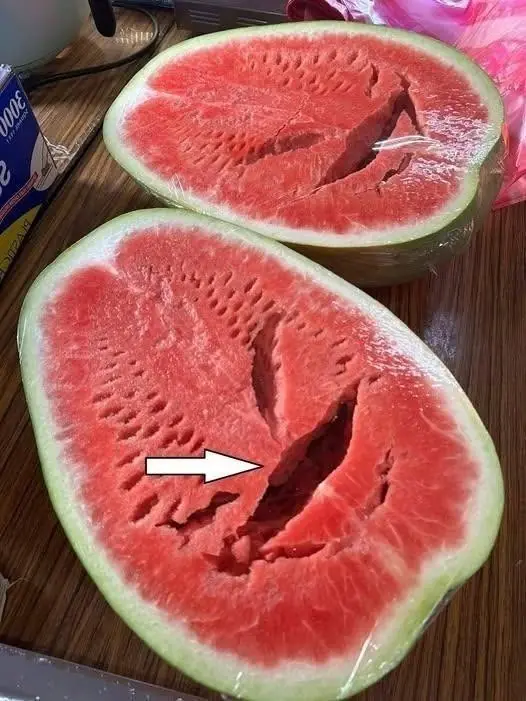





How many chickens can you spot in this pic?
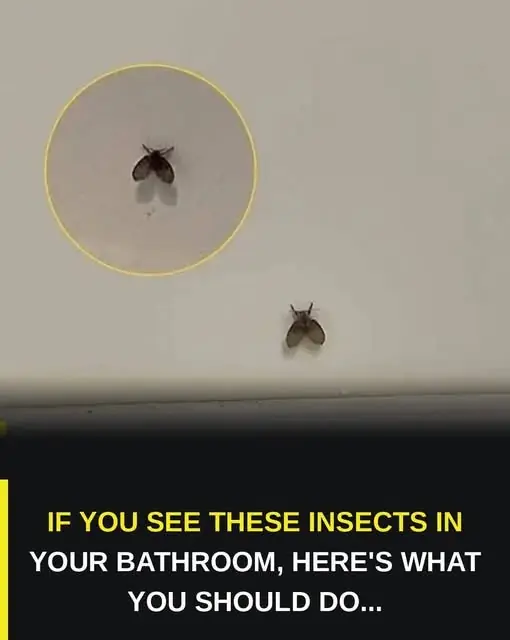
Tiny Flies in Your Bathroom


Which Animal Doesn’t Belong

How Many Rabbits Can You Spot

Signs Your Deceased Loved Ones May Be Reaching Out to You