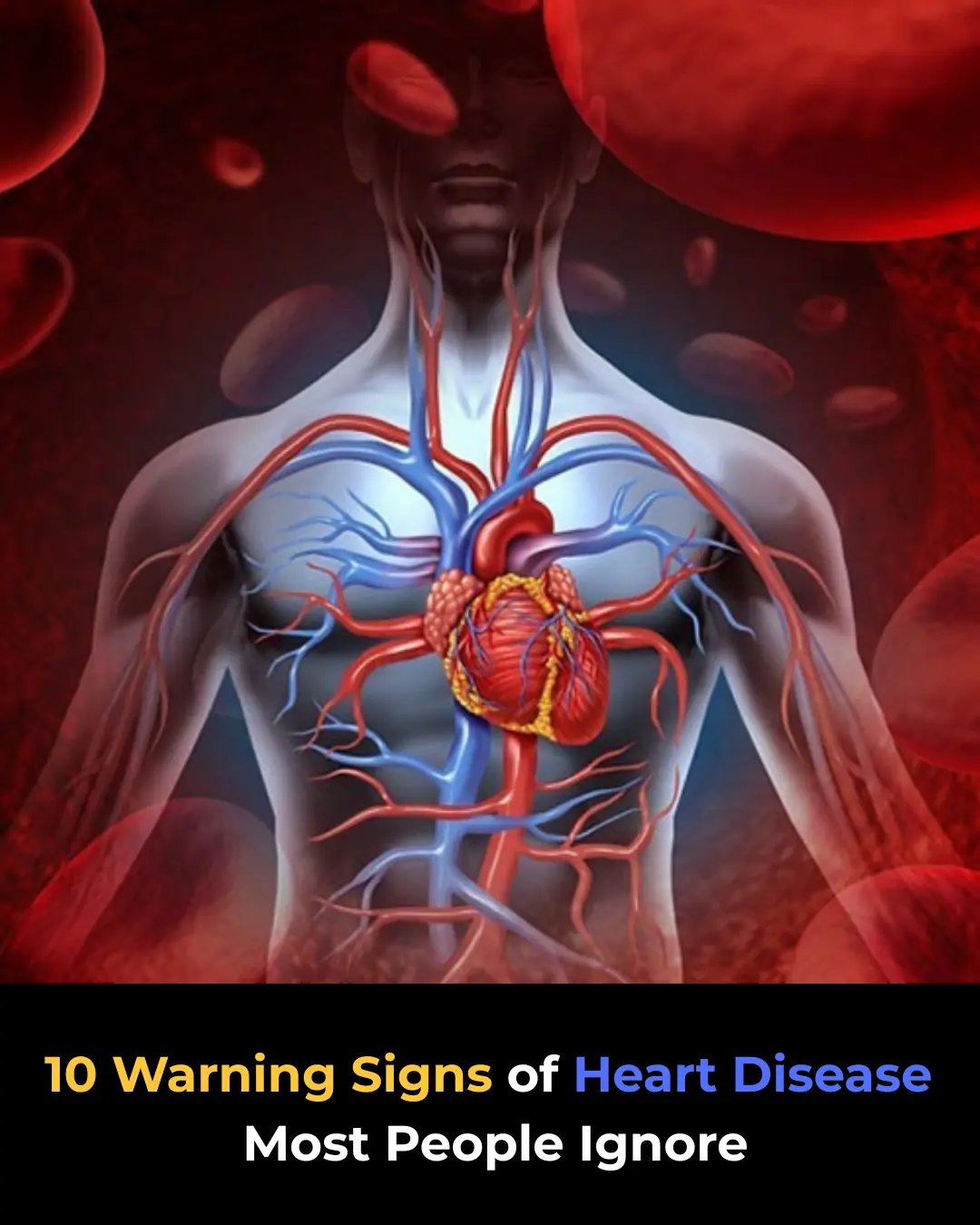
10 Warning Signs of Heart Disease Most People Ignore
Health 06/12/2025 16:03
Waking up with a morning erection is often joked about or brushed aside, but this natural biological event is far more meaningful than most people realize. Beyond being a sign of sexual well-being, it offers a remarkable window into your cardiovascular health. In fact, the consistency and strength of your morning erections can reveal more about your heart, blood flow, and arterial health than many people ever imagine.
This intimate connection between sexual function and heart strength has been recognized for decades in medical research, yet only recently has it gained mainstream attention. Understanding this link can help you monitor your health, prevent disease, and adopt habits that support long-term vitality.
Let’s explore exactly how morning erections work, why they matter so much, and how you can take practical steps to support both your sexual and cardiovascular wellness.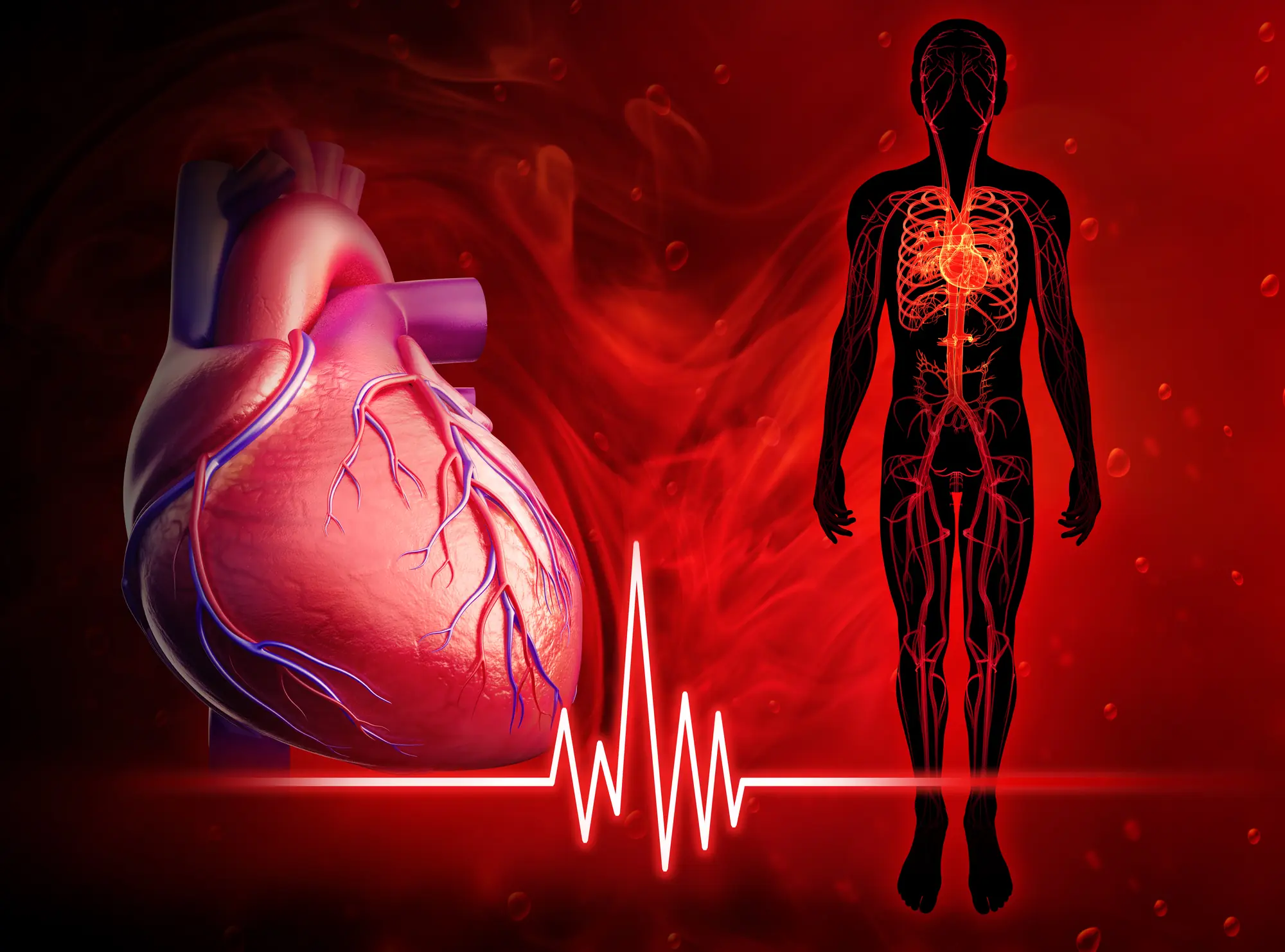
Morning erections are powerful indicators of healthy blood flow, vascular elasticity, and strong cardiovascular function.
Their consistency (or decline) can reveal early issues with circulation, artery health, and nitric oxide production.
Diet, daily lifestyle, targeted supplementation, and proper medical testing all play major roles in sexual and heart performance.
Strong and regular morning erections usually reflect a thriving endothelial system and a healthy heart. Weaker or inconsistent erections may serve as an early warning sign years before more serious symptoms appear.
Throughout the night—especially during REM sleep, the dream-heavy stage—men experience multiple spontaneous erections. This process, called nocturnal penile tumescence, is driven not by sexual thoughts but by your nervous system and circulatory dynamics.
During REM sleep, the parasympathetic nervous system, also called the “rest, repair, and restore” system, becomes dominant. This causes blood vessels in the pelvic and genital region to dilate, sending a fresh, oxygen-rich supply of blood into the penile tissues.
This oxygenation serves several crucial purposes:
It preserves the elasticity and responsiveness of penile tissues
It prevents scar formation
It strengthens nerve pathways
It maintains sensitivity and function
Think of it as your body performing a nightly maintenance routine — a natural workout specifically designed to keep your sexual function healthy without any conscious effort.
The same arteries, nerves, and endothelial cells responsible for delivering blood to the heart are also responsible for delivering blood to the penis. Because of this overlap, sexual function offers a surprisingly accurate reflection of cardiovascular health.
When morning erections occur regularly, it usually means:
Your arteries can dilate properly
Nitric oxide levels are sufficient
Blood flow is strong and consistent
The endothelium is healthy and flexible
But when erections become weaker, inconsistent, or absent, it may indicate:
Early endothelial dysfunction
Restriction or stiffness in blood vessels
High blood pressure
Impaired nitric oxide production
Plaque buildup in arteries
In fact, doctors often describe erectile performance as the “canary in the coal mine” for heart disease — showing signs of trouble 3–5 years before cardiovascular symptoms appear.
Simply put:
Robust erections = robust circulation.
Weak erections = early cardiovascular red flags.
Modern research highlights the deep, inseparable relationship between sexual health, hormone balance, and cardiovascular function. Supporting one naturally supports the other.
A holistic, science-backed approach includes four key pillars:
Nutrient-dense foods are essential for strong blood flow, hormone balance, and nitric oxide production. Build your meals around:
Wild-caught fish and omega-3 fats
Pasture-raised meats and organ meats
Eggs, healthy fats, and mineral-rich foods
Leafy greens and nitrate-containing vegetables
These deliver the amino acids, micronutrients, and cholesterol needed for testosterone and vascular function.
Small, daily habits create major changes in circulation and performance:
Morning sunlight boosts testosterone and circadian rhythm alignment
Deep, high-quality sleep enhances nitric oxide and hormone production
Daily movement improves vascular elasticity and blood flow
Stress-management and grounding practices lower inflammation and improve circulation
Your lifestyle shapes your blood vessels as much as your genetics do.
Instead of guessing, test the biomarkers that influence nitric oxide and arterial health:
Arginine and citrulline levels
B vitamins and antioxidants
Testosterone and sex hormone levels
Inflammation markers
Cholesterol, triglycerides, and glucose
Testing helps identify early imbalances and allows you to intervene before symptoms become serious.
When performance or blood flow needs support, targeted supplements can help (with medical guidance):
CoQ10 & Carnitine — support cellular energy and stamina
Zinc & Selenium — essential for testosterone production
Taurine & B Vitamins — improve nitric oxide pathways
L-arginine & L-citrulline — directly boost nitric oxide
Nitrate-rich plant extracts (e.g., beets) — enhance endothelial function
These supplements assist natural vascular function rather than masking symptoms.
If you wake up most mornings with a strong erection, your cardiovascular system is functioning at an impressive level. Your arteries are flexible, your nitric oxide pathway is active, and your blood is flowing smoothly.
However, if you notice:
weaker erections
less frequent erections
inconsistent morning erections
…it may be an early sign of reduced circulation or impending cardiovascular issues. This doesn’t mean panic — it means pay attention.
Take proactive steps:
See a doctor and request a cardiovascular evaluation
Improve sleep, sunlight exposure, and movement
Increase nitrate-rich foods (beets, arugula, leafy greens)
Reduce stress and alcohol
Stay hydrated to maintain blood volume
Discuss nitric oxide–supportive supplements with a healthcare provider
Small changes can dramatically improve both vascular and sexual health.
Morning erections act like your body’s built-in health report card. When they are strong and consistent, your heart and circulatory system are thriving. When they diminish, your body is signaling a need for support long before serious issues arise.
By optimizing your nutrition, improving daily habits, testing key biomarkers, and using evidence-based support when needed, you protect both your sexual vitality and your cardiovascular future.
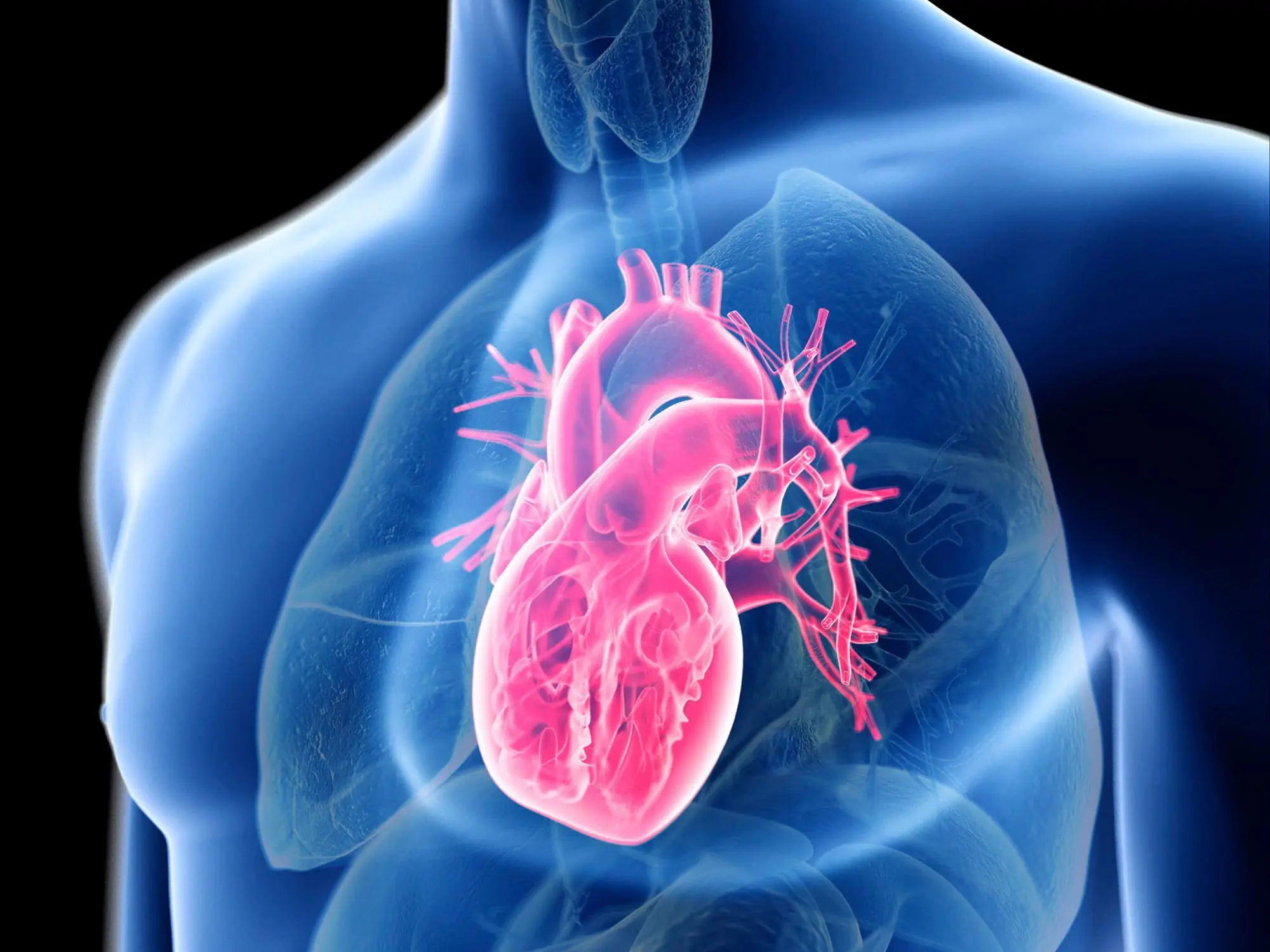
The next time you wake up with a morning erection, view it as the meaningful message it truly is: a sign that your arteries, hormones, and cardiovascular system are functioning beautifully. Prioritize your heart health, and you simultaneously elevate every part of your well-being — from energy and longevity to confidence and sexual vitality.