Only a few people manage to solve this
Facts 03/05/2026 23:57
🟢 New Medical Insight: How Liver Damage Really Progresses — And What Most People Don’t Know
Many individuals believe that liver disease occurs suddenly, as if it just "happens" without warning. However, the reality is far more complex and multifaceted. The liver, one of the most essential organs in our body, is unique in its ability to regenerate itself. Yet, this regenerative capacity is only effective if early damage is identified and reversed in a timely manner. Without early intervention, the liver's healing capabilities become overwhelmed, leading to long-term damage that can have irreversible consequences.
In this article, we will explore the actual stages of liver damage, step by step, highlighting key points that most people don't know about how liver disease progresses and how it can be prevented or even reversed.
In a healthy state, the liver is a powerhouse of metabolic functions. It filters blood, removes toxins, stores nutrients, produces bile, and even helps in the regulation of cholesterol levels. The liver is a highly resilient organ, capable of repairing itself after mild damage, which is why it can handle everyday stresses like alcohol consumption and exposure to certain medications. It works tirelessly, without much recognition, to maintain balance within the body.
The first stage of liver damage involves the accumulation of fat inside liver cells. This stage is extremely common and is primarily caused by lifestyle factors such as excessive alcohol consumption, rapid weight gain, poor dietary choices (especially diets high in sugar and fats), obesity, and conditions like diabetes and high cholesterol. Fatty liver, known as steatosis, is not necessarily a permanent condition and can be reversible with the right changes.
The good news is that fatty liver can often be reversed within weeks or months by making adjustments to one's lifestyle, such as adopting a balanced diet, reducing alcohol intake, losing weight, and increasing physical activity. Early intervention at this stage can prevent further damage and set the liver back on the path to health.
If the buildup of fat inside the liver is not addressed, the next stage is inflammation, referred to as steatohepatitis. At this point, the liver cells begin to suffer injury, which leads to swelling and further stress on the organ. The liver becomes irritated, and this chronic inflammation can cause permanent damage to liver tissue.
This stage is the critical turning point in liver disease progression. If steatohepatitis goes unnoticed or untreated, it can lead to the more serious stages of liver damage. Unfortunately, many people do not recognize the symptoms of inflammation until it has already caused significant harm.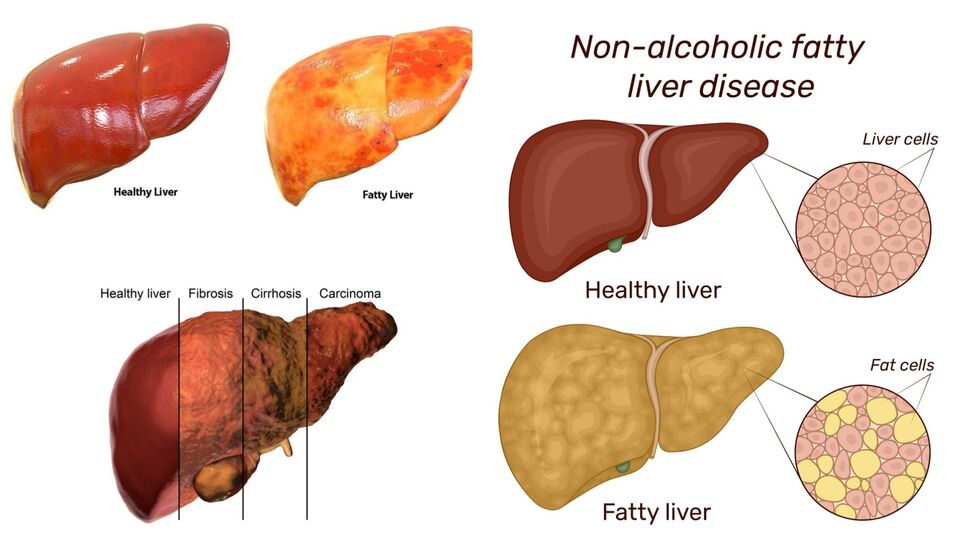
The liver, attempting to repair itself, produces scar tissue as a result of the chronic injury. This stage is known as fibrosis, where the liver's natural healing process leads to the formation of fibrous scar tissue. Though this stage still offers some opportunity for recovery, it requires medical intervention. With early diagnosis and treatment, fibrosis can be reversed, but if the underlying causes (such as alcohol abuse or obesity) continue unchecked, the fibrosis will progress, and the scar tissue will spread.
At this stage, lifestyle modifications and treatment are critical to halt the disease's progression. The longer fibrosis goes untreated, the greater the risk that the liver will reach a stage of permanent damage.
Cirrhosis is the advanced stage of liver disease, characterized by extensive scarring and the loss of normal liver function. The liver becomes stiff and nodular, significantly impairing blood flow and limiting its ability to function properly. As a result, toxins begin to accumulate in the bloodstream, leading to severe complications, including liver failure. Cirrhosis is generally irreversible, and once the liver has reached this stage, the damage is often permanent.
Patients with cirrhosis are at risk for various complications, such as internal bleeding, infections, and liver failure. In some cases, a liver transplant may be necessary, although not all patients qualify for a transplant due to age, general health, or the underlying causes of their liver disease.
While not everyone with liver disease will develop liver cancer, the long-term effects of chronic inflammation and cirrhosis significantly increase the risk. The continuous stress on the liver cells over years can trigger abnormal cell growth, leading to liver cancer, also known as hepatocellular carcinoma. This is one of the most severe consequences of untreated liver disease, and its development underscores the importance of early detection and intervention.
Regular monitoring and early diagnostic imaging are essential in identifying liver cancer before it becomes advanced and difficult to treat. For patients with cirrhosis or chronic liver inflammation, routine screenings for liver cancer are crucial.
The most important lesson from understanding liver damage is that most liver diseases are preventable — and, in many cases, reversible if caught early. Healthy lifestyle habits, including reducing alcohol intake, staying active, managing body weight, and undergoing routine liver health screenings, can help prevent or mitigate liver damage.
The liver is an incredibly resilient organ that works around the clock to keep us healthy, but it requires our care and attention to continue functioning optimally. Early intervention is the key to ensuring that the liver’s natural healing process can do its job and prevent further damage. Take care of your liver before it’s too late.
Sources:
American Liver Foundation – Understanding liver disease and its stages: www.liverfoundation.org
National Institute of Diabetes and Digestive and Kidney Diseases (NIDDK) – Liver diseases and fatty liver: www.niddk.nih.gov
Mayo Clinic – Cirrhosis of the liver and liver cancer prevention: www.mayoclinic.org
World Health Organization (WHO) – Hepatitis and liver disease facts: www.who.int