Eating eggs every day can help you live longer
Health 06/12/2025 22:44
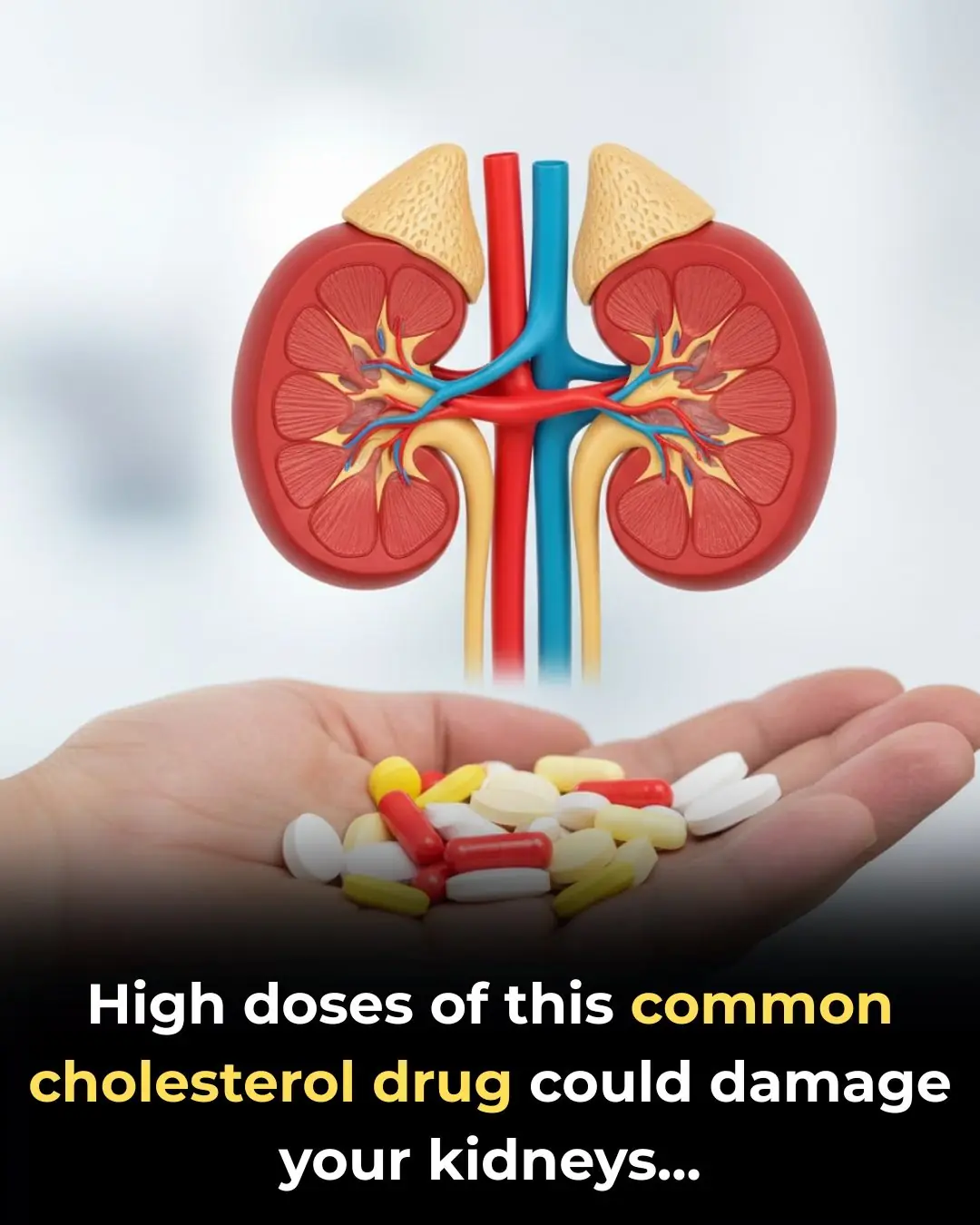
Chronic Kidney Disease (CKD) is rising globally, and with millions of people relying on cholesterol-lowering medications to protect their heart, kidney safety has become a vital part of long-term health. CKD Health focuses on helping patients understand how lifestyle, medication choices, and early monitoring can protect kidney function throughout life. A new wave of research—especially on commonly used statins—reminds us that managing cardiovascular risk should always go hand in hand with protecting the kidneys.
Your kidneys quietly perform essential tasks every second: filtering waste, balancing electrolytes, regulating blood pressure, and supporting healthy red blood cell production. Any decline in kidney function affects nearly every system in the body. For individuals living with high cholesterol, diabetes, hypertension, or cardiovascular risk, awareness of kidney health is especially important because these conditions can directly accelerate kidney damage.
CKD Health seeks to close the gap in awareness by highlighting early warning signs, preventive strategies, and medication considerations that can help protect long-term renal function.
Statins are among the most prescribed medications worldwide, trusted for their ability to reduce heart attack and stroke risk. However, new evidence suggests that not all statins impact the kidneys in the same way. A recent large-scale study from Johns Hopkins University followed more than 150,000 new users of rosuvastatin and compared them with over 795,000 people taking atorvastatin.
Researchers found that rosuvastatin users experienced:
An 8% higher risk of hematuria (blood in urine)
A 17% higher risk of proteinuria (protein in urine)
A 15% higher risk of severe kidney failure requiring dialysis or transplant
These findings are especially relevant in CKD Health education because early kidney injury often goes unnoticed until damage has progressed.
The study also showed that higher doses of rosuvastatin posed even greater risks—and nearly 44% of patients with advanced CKD were prescribed doses above FDA recommendations. This highlights a critical need for better dosing practices and closer monitoring for vulnerable groups.
CKD Health emphasizes informed, proactive care. If you are taking a statin—especially rosuvastatin—here are key steps to protect your kidneys:
Sudden discontinuation can increase cardiovascular risk. Always speak with your healthcare provider before making changes.
Simple tests such as eGFR and urine protein checks can identify kidney strain early, when interventions are most effective.
Ask whether your current dose is appropriate for your age, kidney function, and medical history.
If you have pre-existing kidney disease, your doctor may recommend atorvastatin or other lipid-lowering options that have a lower renal risk profile.
A CKD Health approach always includes:
Staying well hydrated
Reducing salt intake
Managing blood sugar and blood pressure
Maintaining a healthy weight
Avoiding unnecessary NSAIDs and other nephrotoxic substances
Small lifestyle adjustments can significantly support long-term kidney resilience.
While statins play an essential role in preventing life-threatening cardiovascular events, this new evidence reminds us that protecting one organ should not put another at risk. CKD Health encourages patients and clinicians to work together, balancing heart health benefits with renal safety. Individualized care—guided by up-to-date research—ensures the best outcomes for both systems.
The conversation around CKD Health is evolving, and awareness is the most powerful tool you have. By understanding medication risks, monitoring kidney function regularly, and partnering closely with your healthcare provider, you can safeguard your kidneys while still receiving essential cardiovascular protection.
Take charge of your CKD Health today—your kidneys are working for you every moment, and they deserve the same level of care and attention.