Eating eggs every day can help you live longer
Health 06/12/2025 22:44
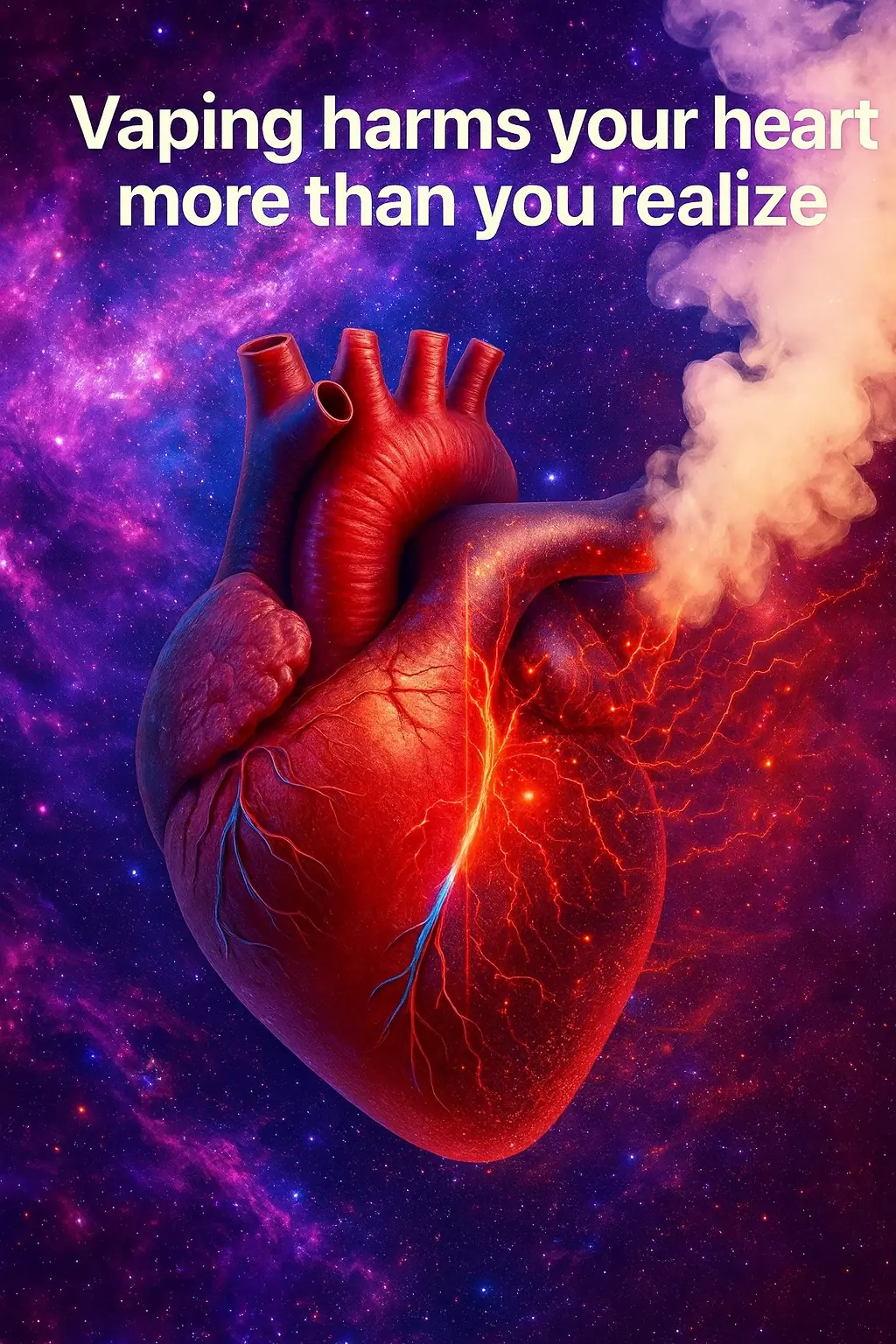
Vaping is often seen as the “safer” alternative to smoking, especially among young adults and those looking to escape the dangers of traditional cigarettes. But growing scientific evidence shows that this belief may be dangerously misleading. What many consider a protective habit may, in reality, be quietly harming the heart and blood vessels—long before any symptoms appear. CKD Health highlights what the latest research reveals about vaping, its impact on cardiovascular health, and why prevention is essential for protecting the next generation.
Many people assume vaping is harmless because it contains fewer toxic chemicals than tobacco. Yet studies show that vapor still delivers nicotine and a cocktail of fine particles and chemicals directly into the bloodstream. These substances can impair the cells lining the arteries, reducing their flexibility and restricting healthy blood flow. Even individuals who have never smoked show clear signs of arterial damage when they vape regularly, suggesting vaping is far from a risk-free choice.
Beyond individual habits, vaping is shaped by broader social forces. In many communities, especially those facing financial hardship, vaping and smoking are both more common. These same populations often struggle with high cholesterol, high blood pressure, and limited access to preventive healthcare—creating a perfect storm of cardiovascular risk. When vaping is added to the mix, the dangers multiply.
Inside your arteries, vaping triggers a chain reaction of harmful effects. Healthy arteries rely on endothelial cells to keep blood flowing smoothly and prevent fatty deposits from sticking to the walls. Vaping introduces particles that inflame and weaken these cells, reducing the arteries’ ability to expand and contract. Over time, this stiffness raises the risk of blockages, clots, and long-term diseases such as heart attack, stroke, and even dementia.
Scientific studies make the picture even clearer. Research comparing smokers, non-smokers, and vapers found that regular vapers—despite never touching a cigarette—had arteries just as stiff as long-time smokers. Experiments in both animals and humans confirm the pattern: vaping raises blood pressure, harms vessels supplying the heart and brain, and accelerates aging-like changes in the cardiovascular system.
Vaping also fuels inflammation and oxidative stress. These processes flood the bloodstream with free radicals and reduce nitric oxide, a molecule critical for healthy artery function. Without enough nitric oxide, blood vessels become tense and more vulnerable to injury. What starts as an occasional puff can, over time, create lasting structural damage throughout the vascular system.
The impact isn’t only long-term. Short-term changes occur within minutes of vaping. Heart rate rises. Blood pressure spikes. The heart works harder with every session. For younger adults, the danger is especially deceptive: arterial damage develops silently, well before routine health screenings begin around age forty. Many people may accumulate years of harm before anyone notices.
Because vaping is most common among youth and young adults, education has become essential. Programs like “Catch Your Breath” and “Break the Vape” show that early, honest conversations can shift behavior. By helping teens understand the real risks, schools and communities can stop harmful habits before they take root. But education alone isn’t enough—support from families, healthcare providers, and local organizations is needed to address social pressures and stressors that drive vaping in the first place.
For anyone who vapes today, a few steps can make a meaningful difference. Stay informed about the cardiovascular risks. If you vape to quit smoking, work with a healthcare provider on a long-term plan to reduce and eventually end nicotine use. Talk about these risks with friends or younger family members, and encourage community programs that help prevent early addiction.
Vaping may look harmless on the surface, but the deeper story is clear: its effects on the heart are real, measurable, and often invisible until years later. Protecting your cardiovascular health requires understanding these risks now—not after symptoms appear. Your heart is working every second to keep you alive. Give it the informed care it deserves, and choose the path that protects its future.