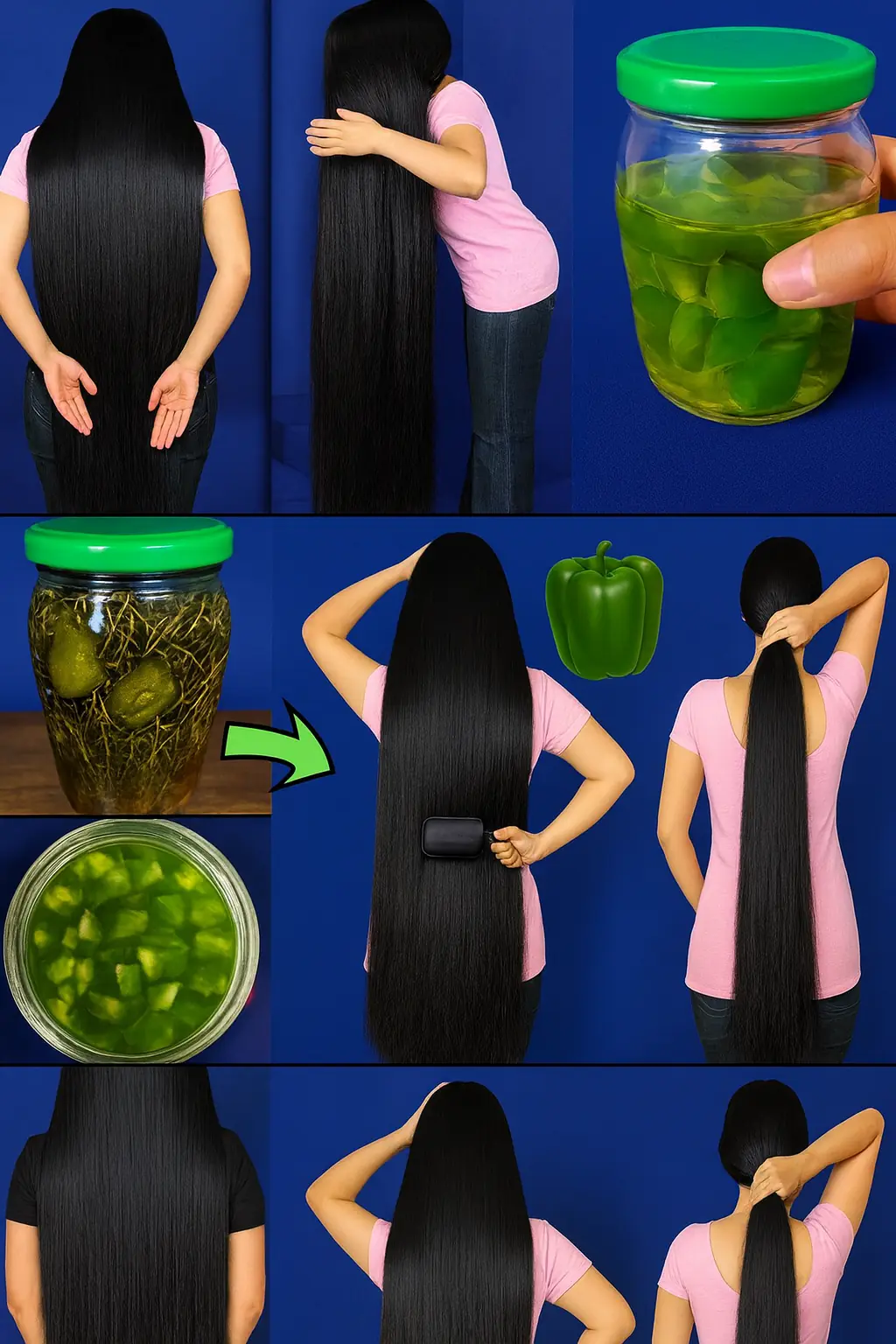
The Green Bell Pepper Hair Growth Secret You NEED to Know
Health 06/12/2025 23:39
Imagine this scenario: you’re home alone, perhaps late at night, scrolling your phone or getting ready for bed. Everything feels normal — until suddenly, it doesn’t.
A strange pressure builds in your chest. Breathing feels harder. Your heart starts racing, and an intense wave of fear sets in.
Could this be a heart attack?
And even more frightening — there’s no one else around.
While this situation is terrifying, the truth is that what you do in the first few minutes can mean the difference between life and death. Based on guidance from cardiologist Dr. Andre Wambier, here are five critical, potentially life-saving steps to follow if you ever find yourself alone during a suspected heart attack.
Heart attacks don’t always happen the way movies portray them — suddenly clutching the chest and collapsing. In reality, symptoms often begin subtly and intensify over minutes or even hours.
Watch closely for these common warning signs:
Chest pain, pressure, or tightness (often described as squeezing or heaviness)
Pain radiating to the left arm, shoulder, jaw, neck, or upper back
Shortness of breath, even while resting
Nausea or vomiting
Cold sweats or clammy skin
Unusual fatigue or sudden weakness
Dizziness or lightheadedness
If you experience several of these symptoms at the same time, trust your body and take action immediately. Waiting “to see if it passes” can be dangerous.
Calling emergency services is the single most important action you can take.
Every minute without treatment increases heart muscle damage. Paramedics don’t just transport you — they can provide oxygen, medication, and monitoring that significantly improve survival chances before you even reach the hospital.
Even if you’re not 100% sure it’s a heart attack, always call. It’s far better to be safe than sorry when your heart is involved.
Once help is on the way, your goal is to reduce the strain on your heart as much as possible.
Sit down or lie slightly reclined with your upper body elevated
Leaning slightly forward may help ease breathing
Take slow, steady breaths to calm your nervous system
Unlock your front door so responders can enter quickly
Keep your phone nearby and stay on the line if instructed
Avoid walking around, pacing, or climbing stairs. Even small movements increase your heart’s oxygen demand.
If aspirin is available and you’ve never been told to avoid it, chew one tablet (usually 325 mg).
Chewing allows aspirin to enter the bloodstream faster, helping reduce blood clot formation and potentially limiting the severity of the heart attack.
⚠️ Only take aspirin if:
You are not allergic
Your doctor has not advised against it
You are certain it is safe for you
Aspirin is a supportive measure — it does not replace emergency care.
You may have heard that coughing forcefully can stop or reverse a heart attack. This is a myth.
There is no scientific evidence that “cough CPR” saves lives during a heart attack. Relying on this misinformation can dangerously delay proper treatment.
The only proven lifesaving actions are rapid emergency response and medical intervention.
If you find someone collapsed, unconscious, or not breathing normally:
Check responsiveness — tap them and shout
Call emergency services immediately
Begin CPR if trained:
Push hard and fast in the center of the chest
100–120 compressions per minute
Continue until help arrives
Fast action can double or even triple survival chances.
While knowing how to respond is critical, prevention remains the strongest defense against heart attacks.
Protect your heart by:
Eating a balanced diet rich in vegetables, fruits, whole grains, and lean proteins
Exercising at least 150 minutes per week
Managing stress through breathing exercises, mindfulness, or yoga
Monitoring blood pressure, cholesterol, and blood sugar
Quitting smoking and limiting alcohol intake
Small, consistent lifestyle changes add up to powerful long-term protection.
Being alone during a heart attack is one of the most frightening situations imaginable — but knowledge saves lives.
Remember the essentials:
Recognize the symptoms
Call emergency services immediately
Stay calm and conserve energy
Take aspirin if appropriate
Wait safely for professional help
Above all, trust your instincts. If something feels wrong, act fast. When it comes to your heart, every second truly counts.