That sharp wave of heartburn or uncomfortable bloating after a garlic-heavy meal can instantly turn anticipation into regret. Many people add garlic to their diet hoping to support overall wellness, only to deal with lingering bad breath, digestive discomfort, or frustration that makes them avoid it altogether. Often, these issues don’t come from garlic itself—but from small, easy-to-miss habits that reduce its benefits and increase unwanted side effects.
The good news? A few simple adjustments can help you enjoy garlic’s rich flavor and potential health-supporting properties without the discomfort. And toward the end, there’s a surprisingly simple preparation tip that could help preserve garlic’s beneficial compounds every time you use it.
Why Garlic Deserves a Regular Spot in Your Kitchen
Garlic is a culinary staple across cultures, adding depth and aroma to everything from soups and pasta to stir-fries and roasted vegetables. Beyond its flavor, garlic contains sulfur-based compounds—most notably allicin—that have long been associated with antioxidant and anti-inflammatory support.
Research summaries from sources such as Healthline and the National Institutes of Health suggest that garlic, when used thoughtfully, may contribute to immune support, cardiovascular wellness, and overall health. These benefits, however, depend greatly on how garlic is prepared and consumed.
Unfortunately, common mistakes can lead to strong odors, stomach irritation, or reduced potency, causing many people to limit or abandon garlic altogether. Understanding these pitfalls makes it easier to enjoy garlic comfortably and consistently.
The 8 Most Common Garlic Mistakes to Avoid
Below are the habits that most often turn garlic from a helpful ingredient into an uncomfortable one—and how to correct them.
Mistake 1: Eating Raw Garlic on an Empty Stomach
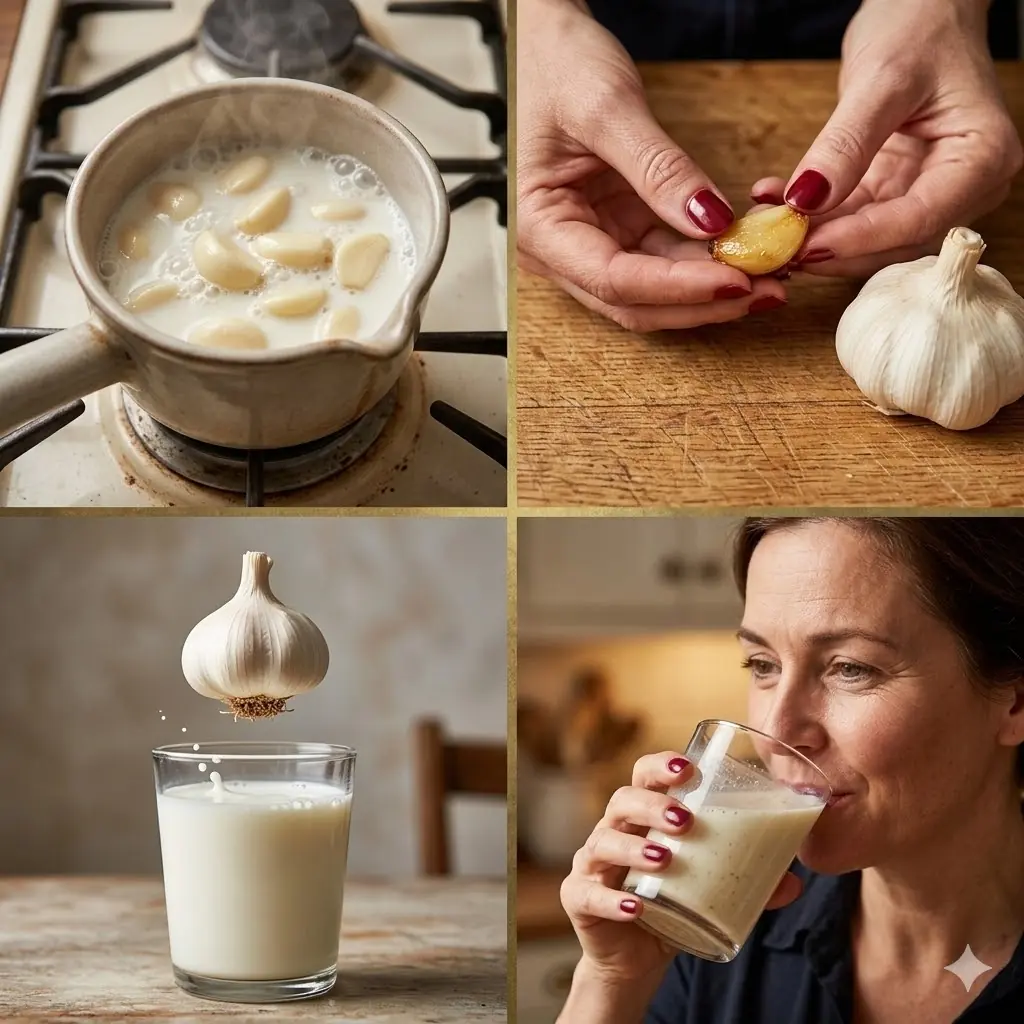
Starting your day with raw garlic may seem like a wellness ritual, but it can irritate the stomach lining. This often leads to nausea, acidity, or burning sensations, especially in people prone to acid reflux or sensitive digestion.
Raw garlic is highly potent, and without food to buffer it, the digestive system may struggle. Sources like StyleCraze note that excessive raw intake can trigger gastric discomfort.
Better approach: Consume garlic with meals to soften its impact on digestion.
Mistake 2: Overloading on Garlic
Using extra cloves in hopes of boosting benefits can backfire. Too much garlic may cause bloating, gas, heartburn, or diarrhea—sometimes within hours.
Healthline notes that moderate intake supports wellness, but higher amounts increase the likelihood of side effects without offering additional benefits.
General guideline: For most people, 1–2 cloves per day is enough.
Mistake 3: Adding Garlic to High Heat Too Early
Throwing garlic into a very hot pan at the start of cooking often causes it to burn quickly. Burnt garlic tastes bitter and may lose heat-sensitive compounds like allicin.
Studies show that allicin forms best when garlic isn’t immediately exposed to high heat.
Smarter move: Add garlic later in the cooking process to preserve both flavor and beneficial compounds.
Mistake 4: Swallowing Whole Garlic Cloves
Some people swallow whole cloves to avoid taste or odor, but this skips a crucial step. Without crushing or chopping, garlic’s key enzyme reaction never occurs.
According to the Linus Pauling Institute, crushing garlic activates the enzyme alliinase, which converts alliin into allicin.
Bottom line: Whole cloves offer fewer benefits and may still cause digestive discomfort.
Mistake 5: Ignoring Signs of Sensitivity or Allergy
Symptoms like itching, rashes, headaches, or stomach upset after eating garlic shouldn’t be ignored. While garlic allergies are uncommon, they do occur.
Medical sources such as the Cleveland Clinic report that garlic can cause skin reactions, asthma symptoms, or digestive issues in sensitive individuals.
Listen to your body: If symptoms appear, stop use and consult a healthcare professional.
Mistake 6: Combining Large Amounts of Garlic With Certain Medications
Garlic has natural blood-thinning properties. Consuming large amounts while taking anticoagulant or antiplatelet medications may increase bleeding risk.
Reviews from Drugs.com and the National Center for Complementary and Integrative Health (NCCIH) recommend moderation and professional guidance.
Tip: Consistency and moderation are safer than sudden increases.
Mistake 7: Using Old or Sprouted Garlic
Old, dried, or sprouted garlic may seem harmless, but it often tastes bitter and can cause more digestive upset. Over time, garlic loses potency as its compounds degrade.
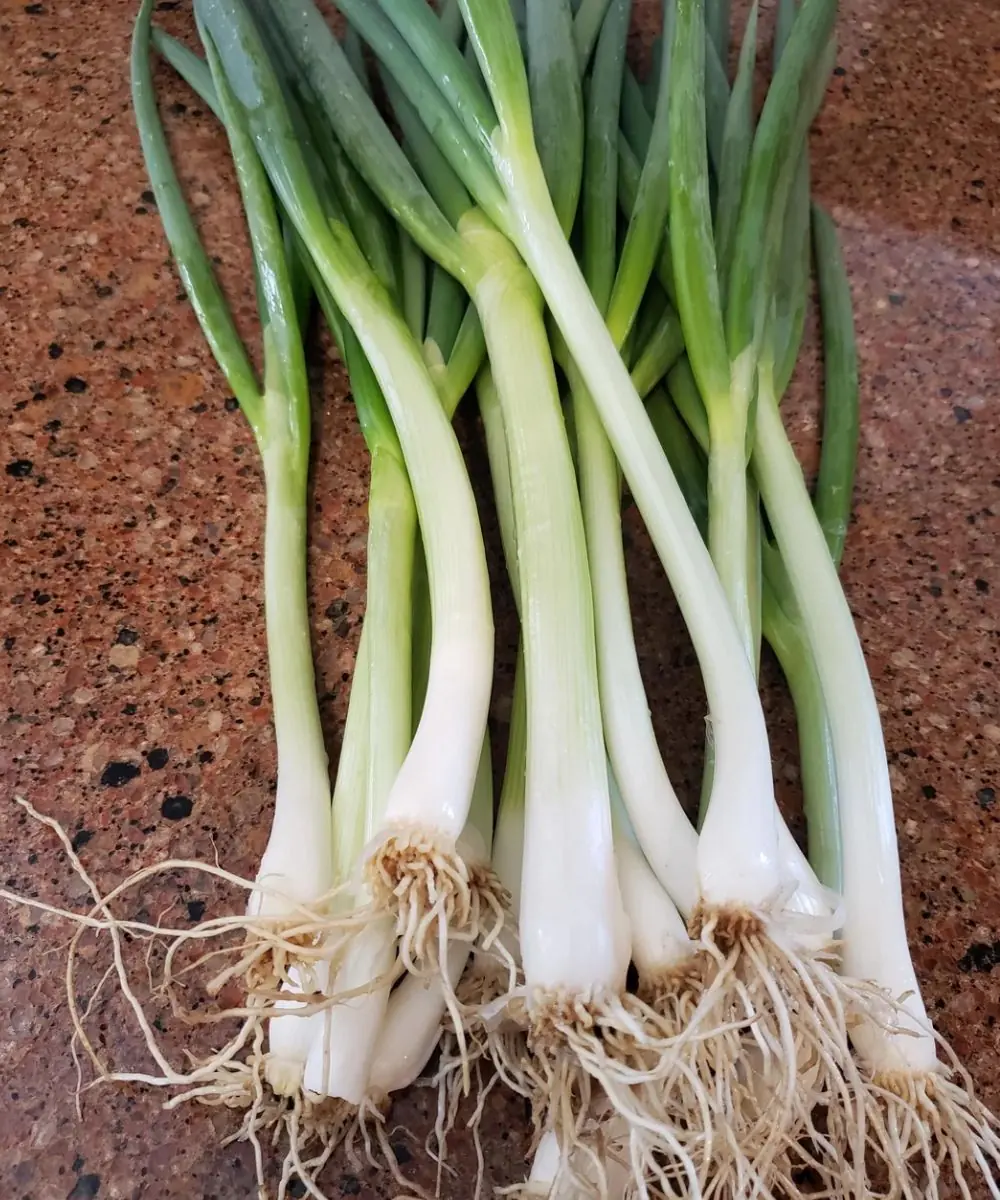
Fresh garlic should feel firm and plump, with tight skins and no mold.
Best choice: Fresh bulbs deliver better flavor and are gentler on digestion.
Mistake 8: Expecting Garlic to Be a Standalone Solution
Garlic can support overall wellness, but relying on it alone for major health changes leads to disappointment.
Research consistently positions garlic as a complementary food—not a cure—best used alongside balanced nutrition, regular movement, and healthy habits.
Quick Comparison: Mistakes vs. Smarter Habits
| Mistake | Potential Issue | Smarter Approach |
|---|---|---|
| Raw on empty stomach | Irritation, nausea | Eat with meals |
| Overeating | Bloating, heartburn | 1–2 cloves daily |
| High heat early | Bitterness, lost compounds | Add later in cooking |
| Whole cloves | Missed allicin | Crush or chop first |
| Ignoring reactions | Worsening symptoms | Monitor and consult |
| With blood thinners | Increased bleeding risk | Moderate intake |
| Old or sprouted garlic | Bitter taste, more upset | Use fresh bulbs |
| Sole reliance | Unrealistic expectations | Part of balanced diet |
The Surprising Tip to Maximize Garlic’s Potential
Here’s the step many people overlook:
After crushing or chopping garlic, let it sit for 10–15 minutes before cooking.
This resting period allows the enzyme alliinase to fully convert alliin into allicin. Research shows that immediate heating can interrupt this process, reducing garlic’s beneficial compounds. Letting it rest preserves more flavor and potency.
Try this once, and you may notice a richer taste and better tolerance.
Precautions When Increasing Garlic Intake
Moderation remains essential, especially if you experience acid reflux or sensitive digestion.
Avoid high garlic intake before surgery or when using blood-thinning medications. Pregnant or breastfeeding individuals should discuss dietary changes with a healthcare provider.
Start with small amounts and observe how your body responds.
When to Seek Professional Advice
If garlic consistently causes discomfort, unusual symptoms, or concerns with medications, it’s wise to consult a healthcare professional.
Personalized guidance is always safer than guesswork.
Final Thoughts
Garlic can be a flavorful and supportive addition to your meals when used wisely. By avoiding these eight common mistakes and applying a few simple preparation techniques, you can enjoy garlic’s richness without heartburn, bloating, or frustration—making it a kitchen staple worth keeping.
FAQ
How much garlic is generally considered safe daily?
Many sources, including NIH reviews and Healthline, suggest 1–2 fresh cloves (about 3–6 grams) per day for general use. Individual tolerance varies.
Does cooking destroy all of garlic’s benefits?
Not entirely. Adding garlic later in cooking helps preserve more compounds than exposing it to high heat early.
Can garlic interact with medications?
Yes. Garlic may amplify the effects of blood thinners. Always consult a healthcare professional for personalized advice.
Disclaimer:
This article is for informational purposes only and does not constitute medical advice. Consult a qualified healthcare professional before making dietary changes, especially if you have medical conditions or take medications.